
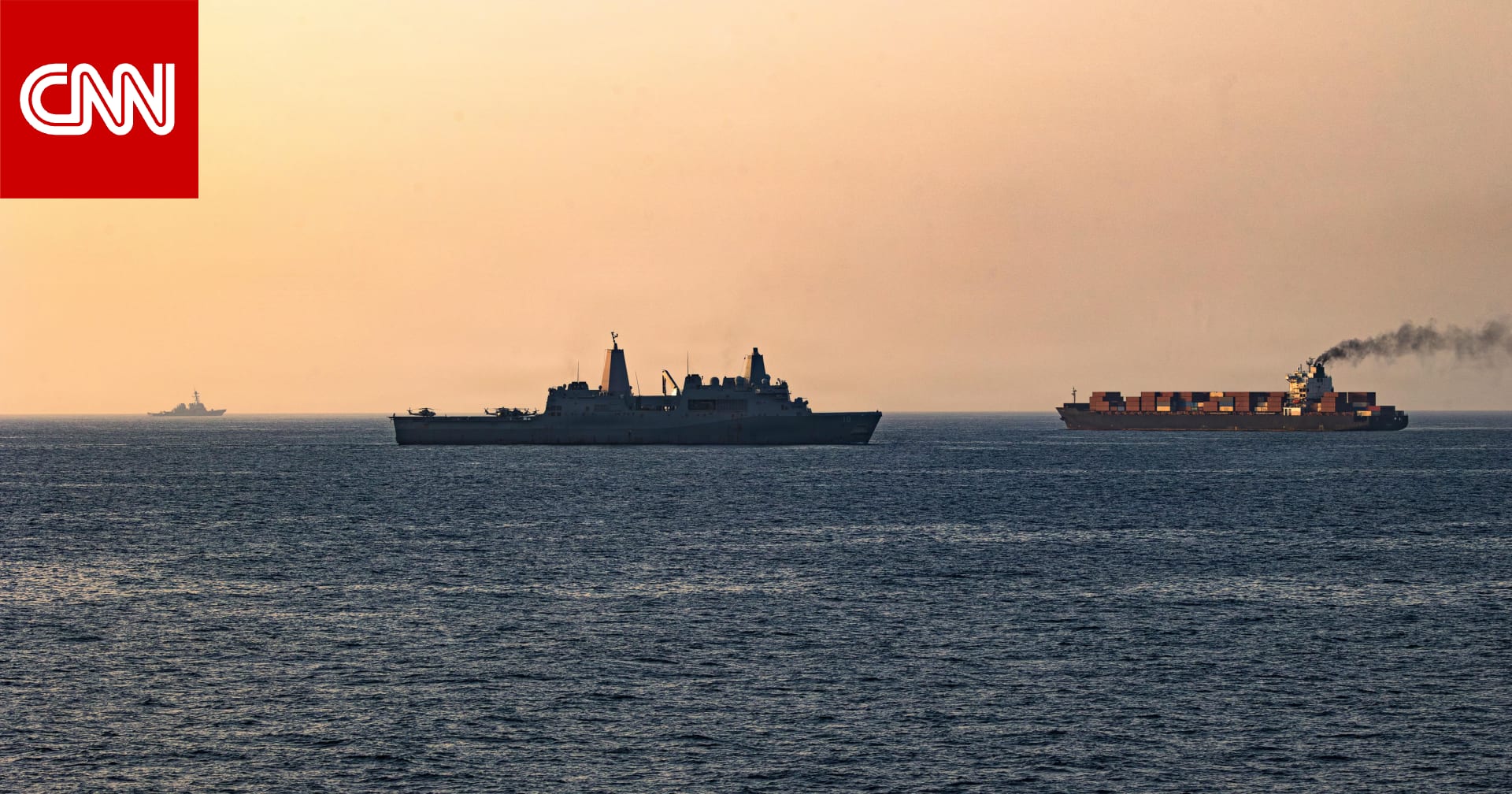
Iranian officials have formally characterized recent U.S. military strikes on coastal surveillance facilities as a violation of the first article of a memorandum of understanding, prompting a series of diplomatic warnings directed toward Gulf states. The tension follows reports of a “mysterious projectile” striking a tanker in the Strait of Hormuz, which have drawn international scrutiny to the security of regional shipping lanes.
While U.S. officials maintain that their actions are targeted responses to threats against maritime commerce, Iranian parliamentary leadership has signaled a shift toward a more confrontational posture regarding regional agreements.
The Iranian Position on Security Agreements
The core of the Iranian grievance lies in the interpretation of a memorandum of understanding (MoU) governing maritime conduct in the Gulf. According to statements from the National Security Committee of the Iranian Parliament, the destruction of coastal surveillance infrastructure is viewed as a direct breach of the first article of this agreement. Iranian authorities argue that these facilities are essential for maintaining regional oversight and that unilateral military action by the United States undermines the established framework for de-escalation.

The head of the National Security and Foreign Policy Committee in the Iranian Parliament stated that Tehran remains prepared to respond firmly to any behavior that deviates from the memorandum. This rhetoric serves as a direct message to neighboring Gulf nations, effectively warning that the security of regional waters is contingent upon adherence to these specific understandings, rather than alignment with U.S. military operations in the area.
Maritime Incidents and Regional Stability
The diplomatic friction is unfolding against a backdrop of ongoing maritime insecurity. Reports of a “mysterious projectile” striking a tanker vessel in the Strait of Hormuz have recently circulated, though specific details regarding the origin of the projectile remain under investigation. The Strait of Hormuz remains one of the world’s most critical energy chokepoints, and any disruption to its safety has immediate implications for global oil prices and supply chain stability.

The U.S. has conducted strikes on coastal surveillance facilities. The contrast in narratives is stark: while Washington characterizes these actions as necessary for the protection of international trade, Tehran frames them as an encroachment on its sovereign coastal monitoring rights.
Stakeholders and Regional Impact
The primary stakeholders in this standoff include the Gulf Cooperation Council (GCC) member states, who find themselves caught between their security partnerships with the United States and their diplomatic necessity to maintain stable relations with Iran. For countries like the United Arab Emirates and Oman, the stability of the Strait of Hormuz is an existential economic priority.
The U.S. However, the Iranian insistence that these actions violate the MoU suggests that the diplomatic channels intended to prevent conflict are under significant strain. Analysts note that the lack of a formal, high-level mechanism to adjudicate these disputes increases the risk of miscalculation at sea.
Next Steps in Regional Diplomacy
The situation remains fluid, with no immediate date scheduled for formal high-level talks between Iranian and U.S. representatives to resolve the interpretation of the memorandum. Observers are looking to the next session of the UN Security Council, where maritime security in the Middle East is a recurring agenda item, for any signs of a de-escalatory pivot.

For those following these developments, official updates regarding maritime traffic and security alerts can be monitored through the U.S. Maritime Administration (MARAD) advisories, which provide the most current warnings for vessels operating in the Persian Gulf and the Strait of Hormuz. We will continue to monitor official statements from both the Iranian Foreign Ministry and the U.S. We welcome your perspectives on these developments in the comments section below.