
The fragile US-Iran ceasefire is under significant strain as escalating violence in Lebanon threatens to dismantle the current diplomatic truce. Tensions have reached a critical point following a wave of Israeli strikes targeting Hezbollah positions, leading to a stark ultimatum from Tehran’s military leadership.
The Iranian Revolutionary Guard Corps (IRGC) has warned that it will deliver a “regret-inducing response” if the Israeli military operations in Lebanon do not cease immediately, according to Iranian state media. This escalation comes at a precarious moment for the two-week ceasefire, which was intended to stabilize a volatile region but now faces the risk of total collapse.
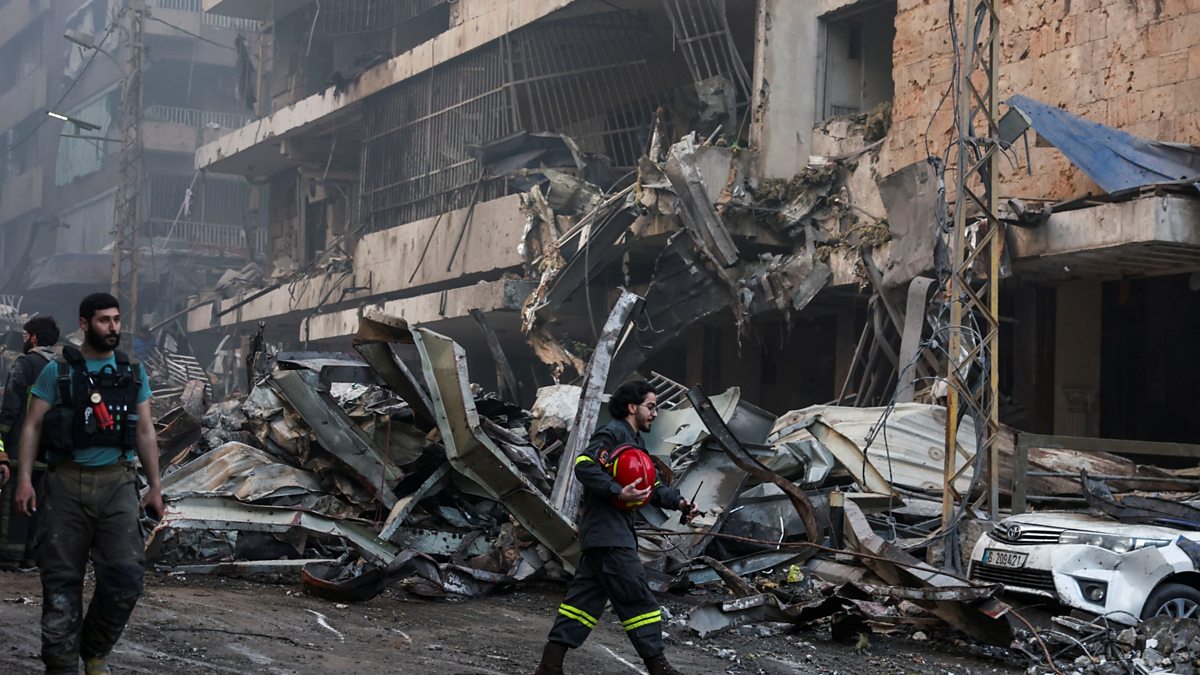
The humanitarian toll in Lebanon is mounting rapidly. Lebanese officials report that Israeli strikes have killed more than 250 people, with the attacks targeting Hezbollah and resulting in the destruction of several buildings in Beirut. Despite the severity of these strikes, the United States and Israel maintain that Lebanon is not included in the specific terms of the current ceasefire deal.
As the region teeters on the edge of further conflict, the international community is looking toward upcoming diplomatic efforts. Negotiations aimed at ending the broader war are scheduled to take place in Pakistan this Saturday, representing a critical attempt to prevent a full-scale regional escalation.
The IRGC Warning and the Lebanon Crisis
The current crisis highlights the complex geopolitical overlap between Iran and its regional allies. The IRGC’s threat of a “regret-inducing response” underscores the pressure Tehran feels to support Hezbollah while simultaneously maintaining a tenuous truce with the United States. This dynamic creates a dangerous friction point, where local escalations in Lebanon can trigger a direct confrontation between Iran, and Israel.

The strikes in Beirut have caused significant urban devastation. According to reports, the wave of attacks specifically targeted Hezbollah infrastructure, but the resulting casualties—exceeding 250 deaths—have sparked widespread condemnation from Lebanese officials. The lack of a formal ceasefire agreement covering Lebanese territory allows for continued military activity, even as the US and Iran attempt to maintain a separate peace.
The situation is further complicated by internal conditions within Iran. Reports indicate an internet blackout across most of the country, hindering the flow of information and limiting the ability of the Iranian public to react to the two-week ceasefire or the escalating threats from the IRGC.
Regional Implications and Economic Fallout
The instability caused by the US-Israel war with Iran is not confined to the Middle East. The volatility of the conflict has significant global repercussions, particularly regarding energy markets. In South Africa, low-income households are facing severe challenges as the conflict’s impact on oil prices drives up the cost of living and transportation.
This economic ripple effect demonstrates how a localized conflict between state actors and non-state proxies can destabilize economies thousands of miles away. The intersection of geopolitical warfare and global commodity pricing continues to place the most vulnerable populations at risk.
The IRGC’s warnings to the US and Israel follow a pattern of stark rhetoric intended to deter further strikes on Lebanese soil via Kurdistan24. Simultaneously, the IRGC has issued warnings as strikes continue despite the existence of the US-Iran truce according to news.cgtn.com.
Key Takeaways: The State of the Ceasefire
- The Conflict Zone: Israeli strikes in Lebanon have killed over 250 people and destroyed buildings in Beirut.
- The Diplomatic Gap: The US and Israel assert that the current ceasefire deal does not extend to Lebanon.
- The Threat: The IRGC has promised a “regret-inducing response” if strikes do not stop.
- The Next Step: Peace negotiations are scheduled for this Saturday in Pakistan.
- Global Impact: Oil price fluctuations resulting from the conflict are impacting low-income households in South Africa.
Looking Ahead: The Pakistan Negotiations
The focus of the international community now shifts to Pakistan, where negotiators will meet this Saturday. These talks are seen as a pivotal moment to determine whether the US-Iran ceasefire can be expanded or if the regional conflict will spiral into a wider war involving multiple state actors.
The success of these negotiations will likely depend on whether the parties can address the “Lebanon loophole”—the fact that current agreements do not cover the strikes on Hezbollah. Without a mechanism to halt the violence in Lebanon, the truce between the US and Iran remains precarious and subject to the actions of the IRGC.
For those following the developments, live updates continue to emerge regarding the movements of forces and diplomatic cables between Israel, Iran, and the Middle East via The Jerusalem Post.
The next confirmed checkpoint in this crisis is the start of the negotiations in Pakistan on Saturday. We will continue to monitor the outcomes of these talks and the response of the IRGC to any further military activity in Lebanon.
Do you believe the current ceasefire can be expanded to include Lebanon, or is the region moving toward a larger conflict? Share your thoughts in the comments below.