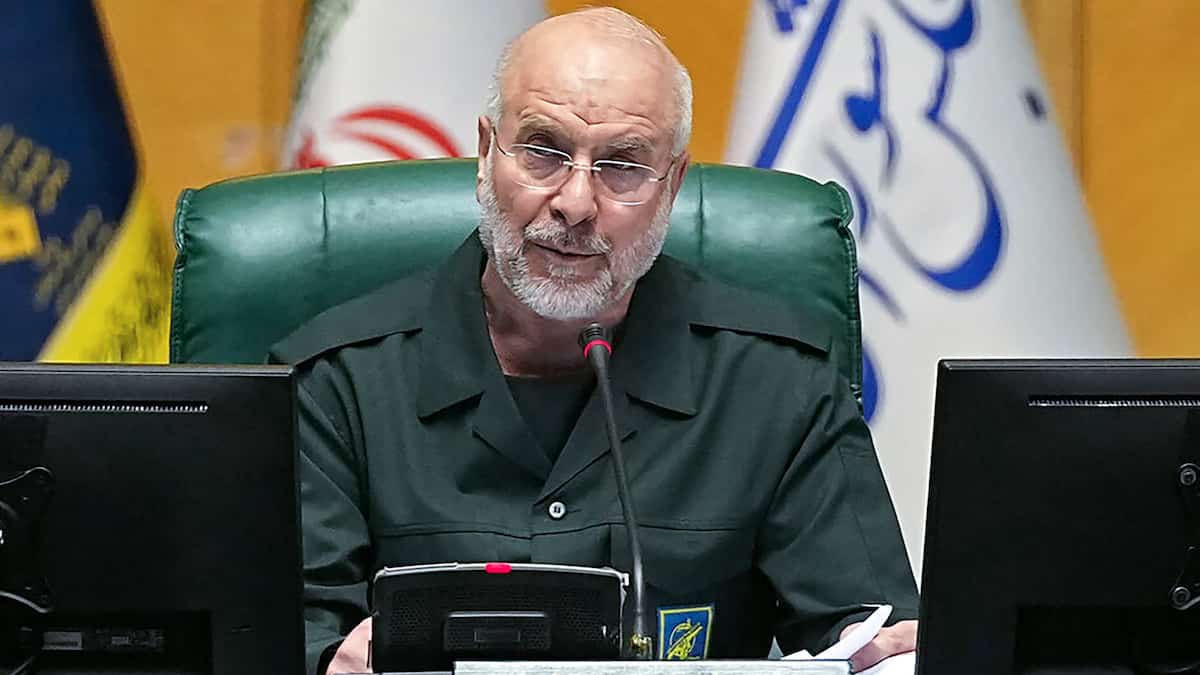
The geopolitical landscape in the Middle East has entered a period of acute volatility as Tehran issues a stark warning to Washington, promising an “overwhelming” response should the United States move to resume military hostilities. The threat, delivered by a senior Iranian negotiator, comes at a moment of profound uncertainty, as the Trump administration balances the pursuit of a potential peace deal against the readiness to execute military strikes.
The escalating rhetoric underscores a deepening divide between diplomatic efforts and military posturing. While some officials in Washington have characterized recent indirect negotiations as showing “modest progress,” the reality on the ground suggests a much more precarious situation. As the possibility of renewed conflict looms, the international community is watching closely to see if diplomacy can bridge the gap or if the region is on the precipice of a wider war.
At the heart of the current crisis is a high-stakes standoff involving maritime security and nuclear enrichment. The U.S. Has maintained a significant presence in the region to enforce a blockade of the Strait of Hormuz, a strategic chokepoint that has seen a dramatic impact on global commerce. This military pressure, intended to squeeze the Iranian economy, has simultaneously heightened the risk of a direct confrontation that could reshape the global energy market and regional security architecture.
A Fragile Diplomacy: ‘Modest Progress’ vs. Military Threats
The current diplomatic climate is defined by a jarring contradiction. On one hand, U.S. Diplomatic channels have signaled that there has been “a little bit of movement” in indirect negotiations aimed at ending the conflict. These talks, which have seen various mediators attempting to find common ground, have focused heavily on resolving long-standing differences regarding Iran’s nuclear enrichment capabilities.
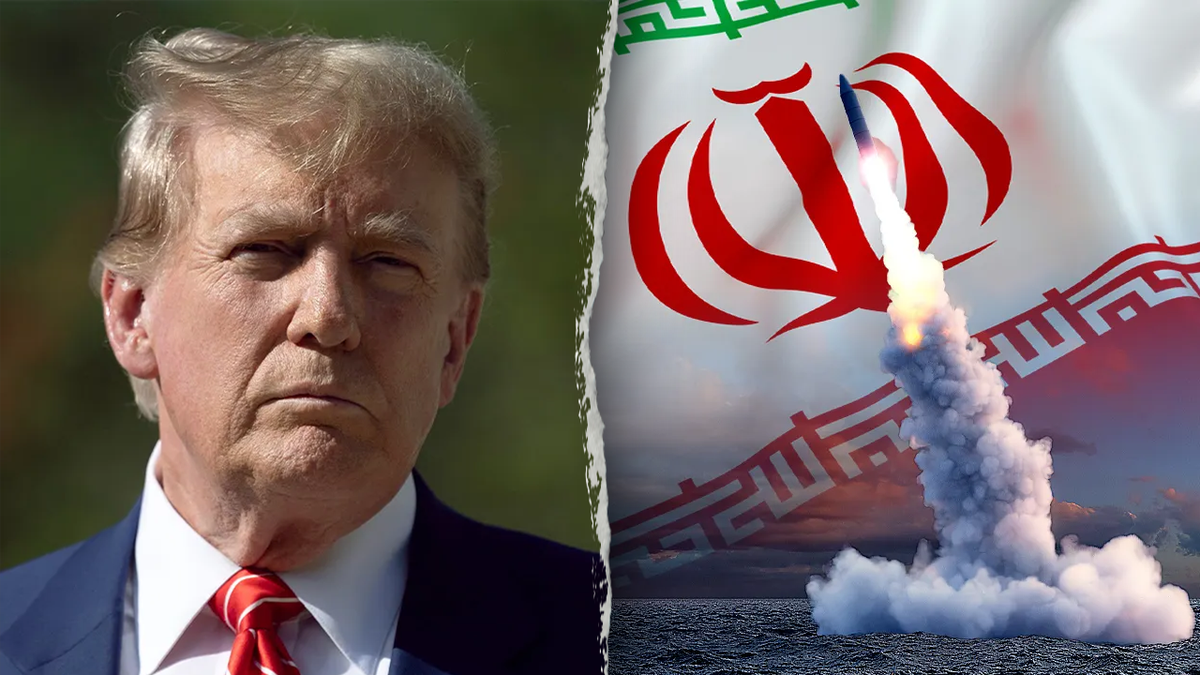
However, these cautious signals of progress are being overshadowed by the administration’s contingency planning. U.S. Officials have signaled that a “Plan B” remains essential, particularly if negotiations fail to address the security of the Strait of Hormuz. The administration has made it clear that any attempt by Iran to disrupt the flow of commercial shipping through this vital waterway is “not acceptable,” leaving the door open for renewed military action.
The Iranian response to these pressures has been one of defiant readiness. Tehran has asserted that its military forces have been reconstituted and are prepared to defend the nation’s interests against any perceived aggression. The negotiator’s promise of an “overwhelming” response serves as a clear signal to Washington that the cost of resuming military operations would be significantly higher than the administration might anticipate.
Maritime Standoff: The Blockade of the Strait of Hormuz
The tension is most visible in the waters of the Strait of Hormuz, where a U.S.-led operation has begun to exert significant economic pressure on Iran. The blockade has now reached a critical milestone, with reports indicating that approximately 100 commercial vessels have been redirected or prevented from entering or leaving Iranian ports. This disruption to maritime trade is a central component of the current strategy to limit Iran’s economic capacity during the ongoing negotiations.

To maintain this blockade, the United States has deployed a substantial military force. Current operational data indicates that the mission involves roughly 15,000 service members, supported by a fleet of 20 warships, 200 aircraft, and various other assets. The scale of this deployment reflects the gravity with which Washington views the security of the Strait and the necessity of preventing Iranian interference with global shipping lanes.
Despite the intensity of the blockade, humanitarian considerations remain a factor in the operation. It has been reported that 25 humanitarian aid ships have been permitted to pass through the restricted zone, a move intended to mitigate the impact on civilian populations. Nevertheless, the economic squeeze on Iranian trade continues to intensify, adding another layer of complexity to the diplomatic negotiations.
Regional Mediation and the Path to De-escalation
As the military and economic pressures mount, regional actors are working feverishly to prevent a full-scale escalation. Pakistan has emerged as a key mediator in this delicate process, with its Army Chief traveling to Tehran to engage in high-level discussions with Iranian officials. This effort to broker a peace deal highlights the role that regional powers are playing in trying to navigate the impasse between the U.S. And Iran.
The goal of these mediation efforts is to find a sustainable framework that addresses the core security concerns of both nations. For the United States, this includes ensuring the transparency of Iran’s nuclear program and the unhindered passage of ships through the Strait of Hormuz. For Iran, it involves the removal of economic sanctions and the cessation of military threats that Tehran views as an existential challenge.
Whether these mediation efforts can translate into a lasting agreement remains to be seen. The “mixed messages” emanating from Tehran and the “modest progress” noted by Washington suggest that while a breakthrough is possible, the fundamental distrust between the two powers remains a formidable barrier to peace.
The Stakes for Global Security and Trade
The implications of a breakdown in these negotiations extend far beyond the borders of the Middle East. A renewed conflict between the United States and Iran would have immediate and profound consequences for global stability:

- Global Energy Markets: Any disruption to the Strait of Hormuz would likely cause an immediate spike in oil prices, impacting economies worldwide and potentially triggering a global energy crisis.
- Maritime Security: A wider war could lead to increased piracy and insecurity in vital shipping lanes, complicating international trade and increasing insurance costs for commercial vessels.
- Regional Escalation: The involvement of various regional actors and the potential for proxy conflicts could lead to a broader regional war, drawing in neighboring states and complicating international diplomacy.
- Nuclear Proliferation: A failure to reach a diplomatic agreement on nuclear enrichment could accelerate the risk of nuclear proliferation in the region, fundamentally altering the security landscape.
As the world watches, the next few weeks will be critical. The tension between the threat of “overwhelming” retaliation and the hope for “modest progress” creates a high-stakes environment where a single miscalculation could lead to a catastrophic escalation.
Key Takeaways
- Iranian Warning: Tehran has promised an “overwhelming” response if the U.S. Restarts military operations.
- Diplomatic Tension: Washington reports “modest progress” in talks, but military strikes remain a contingency.
- Maritime Blockade: The U.S. Blockade of the Strait of Hormuz has redirected 100 commercial vessels.
- Mediation Efforts: Regional leaders, including Pakistan’s military leadership, are actively attempting to broker a peace deal.
- Global Risk: Escalation threatens global energy supplies and maritime trade stability.
The next significant checkpoint in this unfolding crisis will be the upcoming round of indirect negotiations, where both sides are expected to present their revised positions on nuclear enrichment and maritime security. The outcome of these talks will likely determine whether the current standoff leads to a diplomatic breakthrough or a military confrontation.
What are your thoughts on the potential for a diplomatic solution in this escalating crisis? Share your views in the comments below and share this article to keep the conversation going.