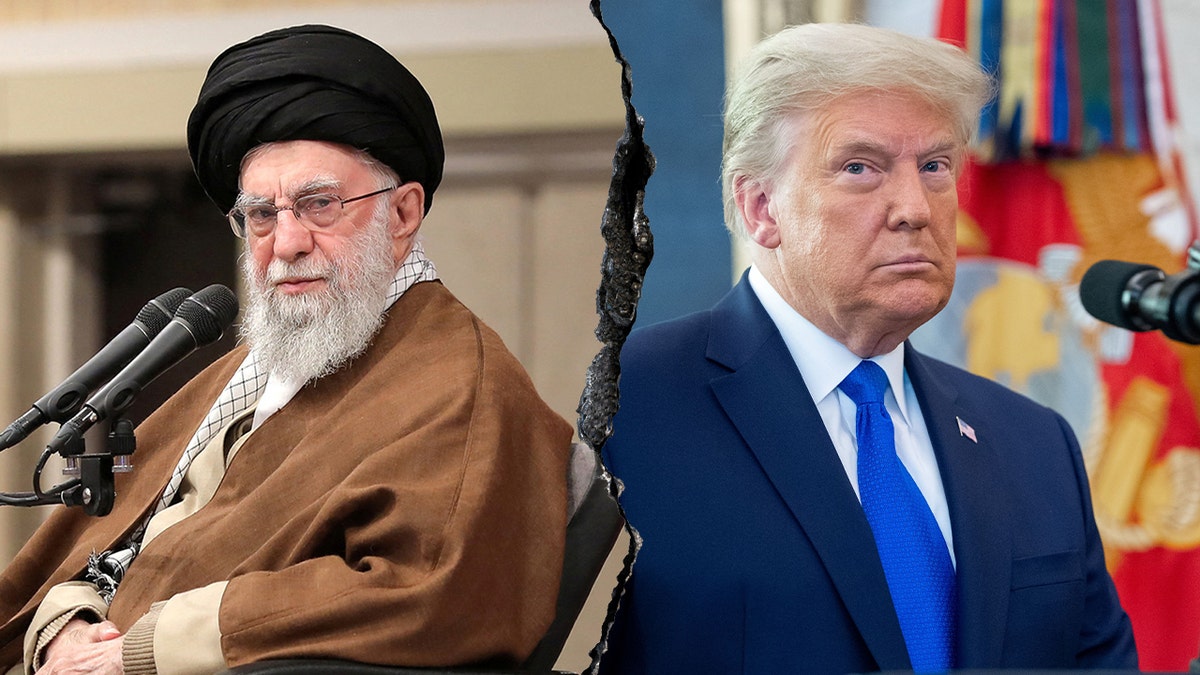
Iran’s Foreign Minister Abbas Araghchi stated that Tehran will not initiate negotiations for a final agreement if threats against the country continue. The warning comes as Iran maintains a policy of “constructive interaction” while refusing to yield to external pressures, according to statements released by the Iranian presidency.
The diplomatic standoff centers on the conditions under which Iran would return to formal negotiations. Araghchi’s position emphasizes that any path toward a final settlement requires the cessation of threats. This stance aligns with a broader principle cited by Iranian officials: that the United States cannot achieve through negotiations what it cannot achieve on the battlefield.
The tension persists despite reports of internal Iranian deliberations regarding the necessity of a deal. Recent accounts suggest that high-level officials, including the Iranian president and the governor of the central bank, have urged the Supreme Leader to sign agreements to alleviate economic strain.
Why Iran is Conditioning Negotiations on the Cessation of Threats
The Iranian government argues that a foundation of security and mutual respect is a prerequisite for any lasting diplomatic framework. According to the Iranian presidency’s official communications, the state will not succumb to pressure and will only engage in “constructive interaction” if the environment is conducive to stability.

By linking the “final agreement” to the removal of threats, Araghchi is signaling that Tehran views the current diplomatic climate as too volatile for a binding commitment. This strategy aims to shift the burden of stability onto the U.S., demanding a verifiable change in behavior before Iran returns to the negotiating table.
What Role Does the Supreme Leader Play in Final Approvals?
In the Iranian political system, the Supreme Leader holds ultimate authority. Reports have emerged suggesting a divide between the technical and economic needs of the state and the ideological requirements of the leadership. Some reports indicate that the Iranian president and the governor of the central bank have advocated for a swift signature on agreements to stabilize the economy. However, the Supreme Leader’s office typically prioritizes strategic autonomy and the removal of “maximum pressure” tactics over immediate economic relief.

This internal dynamic creates a complex negotiating environment. Araghchi’s public warnings serve as a bridge between the pragmatic needs of the administration and the requirements of the Supreme Leader, ensuring that any deal presented for final signature meets the leadership’s criteria for national dignity and security.
How Do U.S.-Iran Relations Affect Global Stability?
The stalemate between Washington and Tehran has direct implications for the stability of the Middle East. The “battlefield vs. negotiation” principle cited by Iranian officials refers to the belief that the U.S. has failed to force concessions through military presence or economic warfare. According to Iranian state media, this failure gives Tehran more leverage in negotiations, as it proves that “pressure” does not result in surrender.
Timeline of Recent Diplomatic Friction
| Event/Position | Stated Requirement/Outcome | Source of Position |
|---|---|---|
| Final Agreement Negotiations | Cessation of all threats against Iran | Foreign Minister Araghchi |
| General Diplomatic Approach | Constructive interaction without yielding to pressure | Iranian Presidency |
| Strategic Principle | U.S. cannot get via talks what it cannot get via force | Iranian Official Statements |
| Economic Urgency | Urging leadership to sign agreements for stability | President/Central Bank Governor |
Official updates on any shift in the negotiation status are typically released through the Iranian Ministry of Foreign Affairs or the U.S.
Share your thoughts on this diplomatic deadlock in the comments below or share this report with your network.