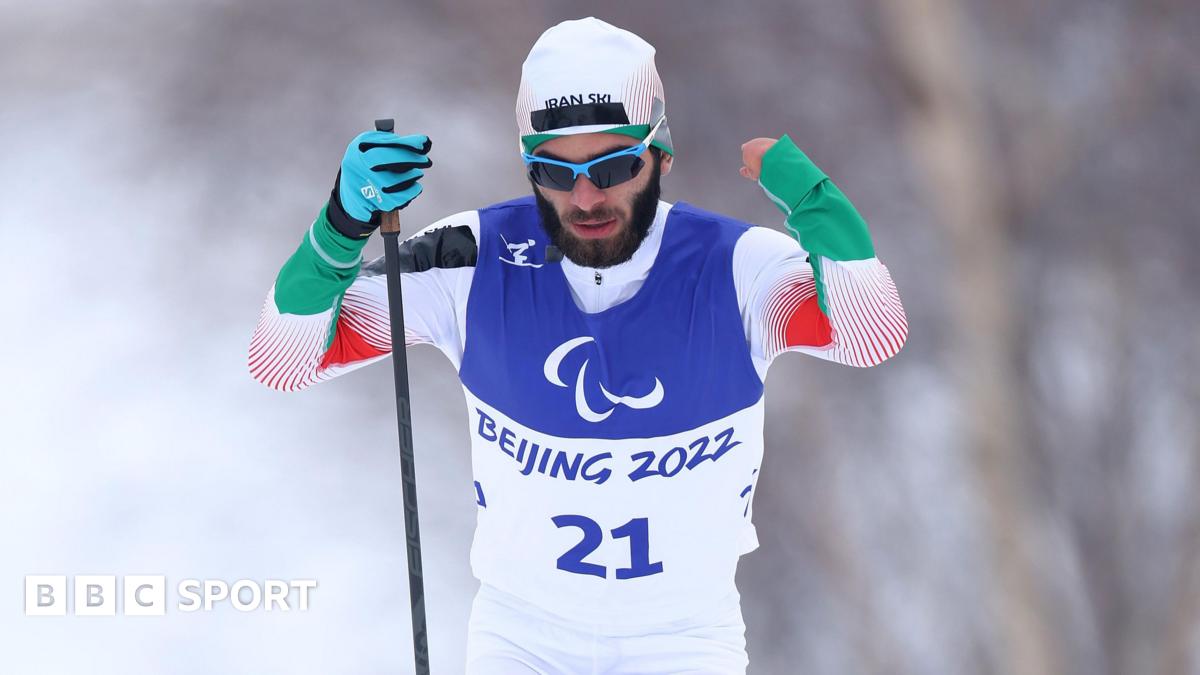
The Milan-Cortina 2026 Winter Paralympics will proceed without the participation of Iran, the International Paralympic Committee (IPC) announced Friday. The decision stems from escalating safety concerns amidst heightened conflict in the Middle East, preventing Iran’s sole qualified athlete from traveling to Italy. This marks a significant setback for Iranian representation at the Games and underscores the far-reaching impact of geopolitical instability on the world of sports.
Cross-country skier Aboulfazl Khatibi Mianaei, 23, will be unable to compete in the men’s sprint classic standing on Tuesday and the men’s 10km interval start classic standing the following day, events he had prepared for extensively. Khatibi Mianaei has competed in the past two Winter Paralympic Games, demonstrating a commitment to the sport and representing a beacon of hope for athletes with disabilities in Iran. The withdrawal was confirmed just hours before the opening ceremony in Verona, a particularly poignant moment for both the athlete and the Paralympic movement. This isn’t the first time geopolitical tensions have impacted Iranian athletes’ participation in international events, but it is a particularly stark example given the proximity to the Games.
Safety Concerns Drive Decision
IPC President Andrew Parsons expressed deep disappointment over the situation, stating it was “really disappointing for world sport and especially for Aboulfazl.” Parsons detailed the extensive efforts made by the IPC and the Milan-Cortina 2026 organizing committee to secure a safe passage for the Iranian delegation. “Since the conflict began on Saturday, the IPC and the Milan-Cortina 2026 organising committee have been working tirelessly behind the scenes with the NPC [national Paralympic committee] and national ski federation to find alternative routes for the safe passage of the Iran delegation to the Games,” he explained. However, the ongoing conflict across the Middle East ultimately led to the conclusion that the risk to human life was unacceptably high. The Paralympic website confirmed the withdrawal on Friday.
The decision reflects the volatile security landscape in the region, which has been significantly impacted by recent exchanges between Iran and both the United States and Israel. Joint US-Israeli attacks targeted Iranian missile infrastructure, military sites, and leadership, prompting retaliatory strikes from Tehran across the region, including against Israel. Reports from Tehran on Friday indicated that residents experienced the “worst night” of Israeli strikes to date, with the United States anticipating further escalation. Politico reported on Iran’s withdrawal, highlighting the broader geopolitical context.
Escalating Middle East Conflict
The current crisis extends beyond direct confrontations between Iran, the US, and Israel. Strikes were also reported in Beirut, Lebanon, with the Israel Defense Forces confirming their involvement. Several Gulf nations, including Saudi Arabia, Qatar, and Bahrain, reported intercepting Iranian attacks, demonstrating the widespread regional impact of the escalating tensions. The situation is further complicated by communication challenges, as Parsons noted that dialogue with Iranian sporting federations had been “not been easy” due to widespread disruptions to communication systems within the country.
The withdrawal of Iran’s sole athlete underscores the vulnerability of international sporting events to geopolitical instability. While the Paralympics strive to promote inclusivity and understanding, the realities of global conflict can create insurmountable obstacles for participation. The IPC’s decision, while difficult, prioritizes the safety and well-being of athletes and personnel, a principle central to the Paralympic movement. The Milan-Cortina Games, scheduled to run from March 6th to March 16th, will now proceed without Iranian representation, a loss felt by the entire Paralympic community.
A History of Iranian Paralympic Participation
Iran has a proud history of participation in the Paralympic Games, consistently demonstrating a commitment to para-sport. The nation has sent athletes to both the Summer and Winter Paralympics, achieving notable success in various disciplines. Khatibi Mianaei’s anticipated performance in cross-country skiing represented a continuation of this tradition, and his absence will be keenly felt. The Iranian National Paralympic Committee (NPC) has worked diligently to develop para-athletes and provide them with opportunities to compete on the world stage. This withdrawal represents a significant disruption to those efforts.
The IPC’s decision-making process involved extensive consultations with the NPC Iran and the national ski federation, exploring all possible avenues for safe travel. However, the escalating conflict and the inherent risks associated with international travel in the region ultimately made participation untenable. Parsons emphasized the heartbreaking nature of the situation for Khatibi Mianaei, acknowledging the years of dedication and training that had culminated in this unfortunate outcome. “To not compete at a Paralympic Winter Games because of factors outside of his control after years of training and dedication is heart-breaking for the athlete and our sympathies are with Aboulfazl at this difficult time,” he stated.
Impact on the Milan-Cortina 2026 Games
The absence of Iran’s athlete will undoubtedly impact the competitive landscape of the cross-country skiing events at the Milan-Cortina Games. However, the broader significance of the situation lies in its demonstration of the interconnectedness between sports and global politics. The Paralympics, founded on principles of inclusivity and overcoming adversity, are not immune to the challenges posed by international conflict. This incident serves as a stark reminder of the fragility of peace and the importance of prioritizing safety and security in all aspects of international cooperation.
The Milan-Cortina 2026 Winter Paralympics are set to showcase the talents of over 600 athletes from around the world, competing in six sports: alpine skiing, biathlon, cross-country skiing, ice hockey, snowboarding, and wheelchair curling. The Games represent a celebration of athletic achievement and the indomitable spirit of para-athletes. Despite the absence of Iran’s representative, the event is expected to be a resounding success, inspiring millions and promoting greater understanding and acceptance of people with disabilities. National News Desk also covered the withdrawal, emphasizing the safety concerns.
Key Takeaways
- Iran will not participate in the Milan-Cortina 2026 Winter Paralympics due to safety concerns related to the ongoing conflict in the Middle East.
- Aboulfazl Khatibi Mianaei, Iran’s sole qualified athlete, will be unable to compete in cross-country skiing.
- The International Paralympic Committee (IPC) prioritized athlete safety in making the decision, exploring all possible alternatives for safe travel.
- The situation highlights the impact of geopolitical instability on international sporting events and the Paralympic movement’s commitment to inclusivity.
The IPC will continue to monitor the situation in the Middle East and assess its potential impact on future Paralympic events. The organization remains committed to providing a safe and inclusive environment for all athletes, regardless of their nationality or background. The next update from the IPC regarding the situation is expected following a scheduled meeting of the Executive Committee on March 18th. Readers interested in learning more about the Milan-Cortina 2026 Winter Paralympics can visit the official Games website at https://www.milanocortina2026.org/en/.
We encourage you to share your thoughts on this developing story in the comments below.
Keep reading