
As the Iranian national football team prepares for its high-profile international fixtures, the diaspora community in Los Angeles—often referred to as “Tehrangeles”—is grappling with deep internal divisions regarding the intersection of sports and national identity. With major matches drawing global attention, local residents remain split between those who view the team as a symbol of national pride and others who believe the squad serves as a proxy for a government they vehemently oppose.
The Los Angeles metropolitan area is home to the largest population of Iranians outside of Iran, with estimates from the U.S. Census Bureau suggesting hundreds of thousands of residents identify with Iranian heritage. This demographic density often turns local reactions to national events into a microcosm of the political tensions currently playing out within Iran itself. While some fans intend to gather in public spaces and private venues to support the players, others have organized protests or boycotts, arguing that cheering for the team provides legitimacy to the current administration in Tehran.
The Dilemma of National Representation
For many Iranian-Americans, the debate centers on the role of sports as a neutral ground versus a political instrument. Supporters of the team argue that the players are athletes representing the people of Iran, not the political apparatus. According to reporting from the New York Times, athletes on the national team have previously faced immense pressure to balance their professional obligations with the expectations of a domestic population experiencing significant civil unrest. This pressure has led to instances where players chose to remain silent during national anthems or wore black wristbands as a gesture of solidarity with protesters, actions that carry significant personal risk under the current legal framework in Iran.
Conversely, critics within the Los Angeles community maintain that the team functions as a diplomatic tool for the state. This perspective, often amplified on social media platforms like X (formerly Twitter) and Instagram, suggests that any public display of support for the team is a betrayal of the democratic movements occurring within the country. The discord reflects a broader phenomenon observed in global diaspora communities, where the line between cultural heritage and political alignment becomes increasingly blurred during international sporting events.
Community Dynamics in Los Angeles
In neighborhoods like Westwood and Irvine, where Iranian businesses and cultural institutions are concentrated, the upcoming match has prompted a variety of responses. Some community leaders have called for unity, emphasizing that for many, football is the only remaining thread connecting them to their homeland. Despite the political friction, the sport remains a significant cultural touchstone.
Data from the Pew Research Center highlights the diverse nature of the Iranian-American experience, noting that the community spans several generations and holds a wide spectrum of political and religious views. This diversity contributes to the complexity of local reactions. While some businesses plan to host watch parties, others have opted to refrain from public promotion of the games to avoid potential confrontation between patrons with opposing viewpoints.
Sports as a Catalyst for Dialogue
Despite the arguments, some members of the diaspora are attempting to find common ground through the lens of human rights and shared Iranian identity. There is a growing movement that encourages fans to use the global platform provided by major tournaments to highlight the plight of political prisoners and advocate for civil liberties in Iran. By shifting the focus from the team’s performance to the cause of human rights, these individuals hope to bridge the gap between opposing factions.
The Human Rights Watch has documented ongoing concerns regarding the treatment of activists and protesters in Iran, providing a factual basis for many of the grievances voiced by the diaspora. For those seeking unity, acknowledging these human rights concerns has become a necessary prerequisite for any conversation regarding the role of the national team on the world stage.
What Happens Next
As the match approaches, local law enforcement and community organizers are monitoring the situation to ensure that demonstrations remain peaceful. There is no official city-wide mandate regarding the viewing of the match, and private establishments retain the right to set their own policies for public broadcasting. The next significant checkpoint for the community will be the post-match discourse, which will likely serve as a barometer for the current state of relations within the diaspora.
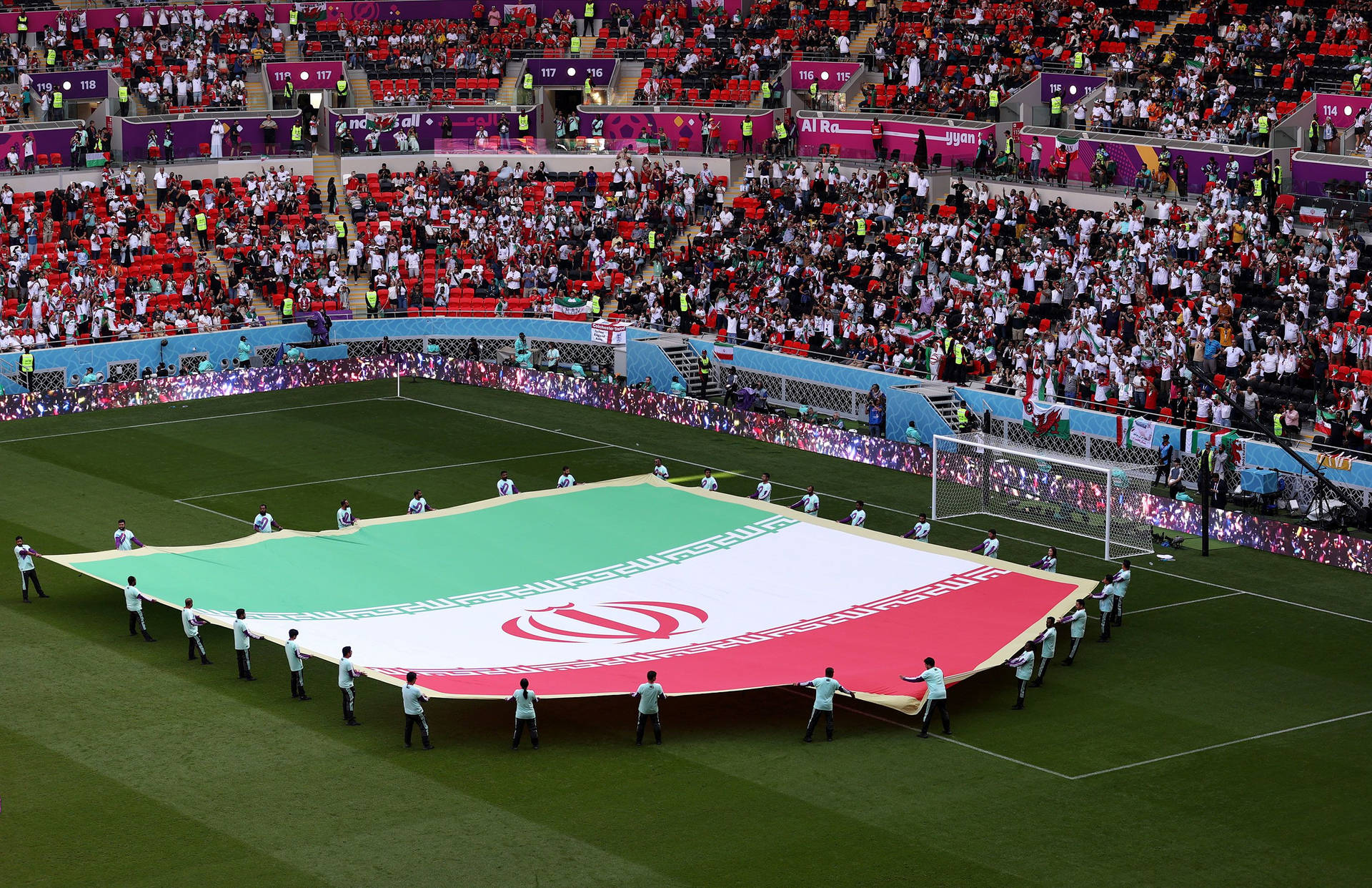
Residents are encouraged to check local community boards and municipal updates for any changes to public gathering protocols. As the conversation continues, the focus remains on how a community defined by its resilience and cultural richness will navigate these complex geopolitical waters. We invite our readers to share their perspectives on the role of sports in diaspora politics in the comments section below.