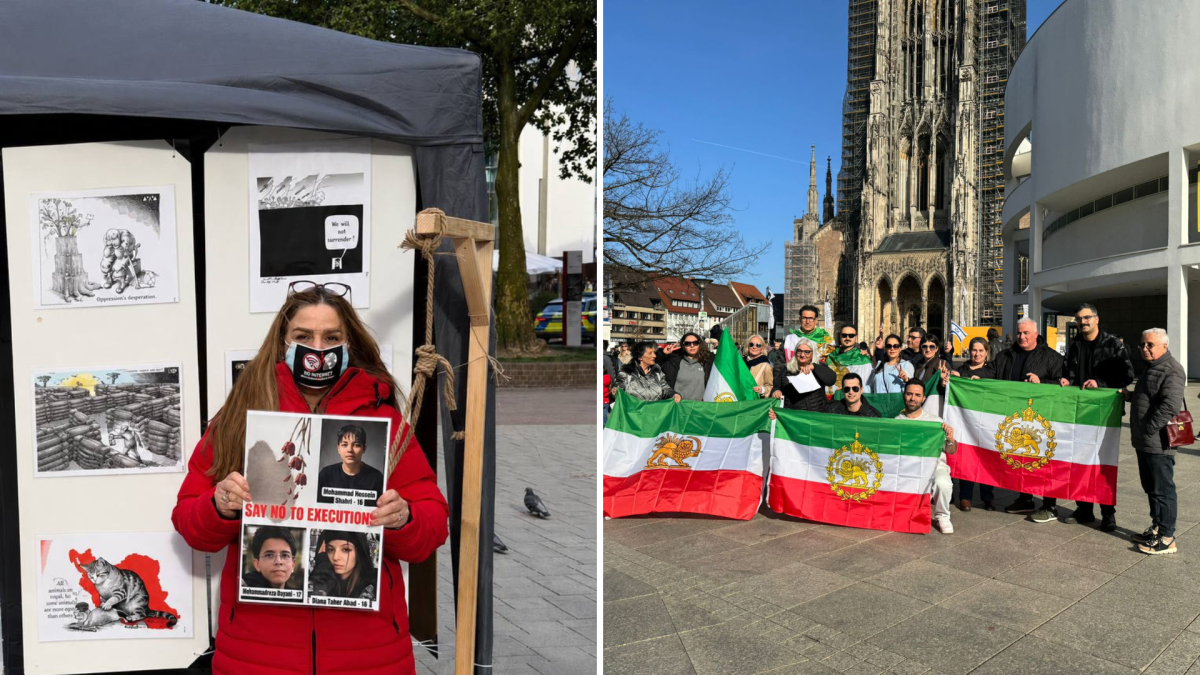
Art has long served as a mirror to political reality and a recent exhibition hosted by the Iranian community in Ulm and Neu-Ulm is bringing this tradition to the forefront of the public discourse. By showcasing works from prominent caricaturists, the exhibition highlights the intersection of human rights advocacy and international diplomacy. For observers of global affairs, the event serves as a poignant reminder of how cultural expression remains a vital conduit for critique, particularly in relation to the complex geopolitical dynamics currently involving Iran and the West.
As the international community monitors the ongoing diplomatic exchanges and the shifting landscape of foreign policy, the exhibition in Ulm provides a localized platform for voices often sidelined in formal government negotiations. The inclusion of works by artists who have contributed to publications such as Charlie Hebdo underscores the global nature of the dialogue surrounding freedom of expression and the, at times, strained relationship between artistic critique and state-level diplomacy.
The Role of Cultural Expression in Political Discourse
The exhibition serves as more than a gallery; it functions as a site of political engagement. By utilizing visual satire, the participating artists aim to draw attention to human rights concerns within Iran. This form of protest art, which has historical roots in both Persian culture and international political movements, allows for a nuanced critique of power structures. The organizers have stated that the intent is to foster a deeper understanding of the challenges faced by the Iranian diaspora and those remaining within the country, while simultaneously questioning the efficacy of current diplomatic approaches taken by various European nations.
For many attendees, the exhibition is an opportunity to reflect on the role of the German government and its European partners in addressing the human rights climate in Iran. Critics of current diplomatic strategies often point to the balance between maintaining open channels for negotiation—such as those intended to address nuclear non-proliferation and regional security—and the moral imperative to support civil society and human rights activists. According to reports from international oversight bodies, the human rights situation in Iran, characterized by restrictions on dissent and freedom of speech, remains a significant point of contention in bilateral and multilateral dialogues (Office of the United Nations High Commissioner for Human Rights).
Geopolitical Context and Diplomatic Strains
The exhibition takes place against a backdrop of complex international relations. The diplomatic landscape involving Iran has been marked by a series of high-level discussions and, periodically, heightened tensions. The European Union and its member states, including Germany, have frequently navigated the difficult terrain of advocating for human rights while attempting to maintain diplomatic engagement to prevent further regional escalation.
The use of political cartoons to comment on these relations is particularly potent. By depicting the interplay between the Iranian leadership and Western powers, the artists involved in the Ulm exhibition invite the viewer to consider the human cost of these high-level maneuvers. As noted by academic institutions specializing in international relations, the use of satire as a tool for political pressure can influence public opinion, thereby placing additional pressure on policymakers to address human rights issues more explicitly in their agenda (Chatham House research on regional dynamics).
Impact on the Diaspora and Future Advocacy
The Iranian community in Ulm and Neu-Ulm has utilized this exhibition to bridge the gap between their lived experiences and the broader German public. For the diaspora, maintaining visibility of the issues affecting their home country is a central component of their advocacy work. The event highlights a growing trend among migrant communities to use cultural platforms to influence host-country policies, ensuring that human rights in their countries of origin remain a priority for European leaders.
Looking ahead, the organizers hope that the exhibition will prompt a wider conversation about the limitations of traditional diplomacy. While state-to-state negotiations are essential for security, the community argues that these must not come at the expense of fundamental human rights. The exhibition is expected to remain a focal point for local discussions, with plans for further community-led events aimed at maintaining momentum on these critical issues.
Key Takeaways
- Art as Advocacy: The exhibition utilizes visual satire to highlight ongoing human rights concerns, providing a platform for artists to critique both the Iranian state and international diplomatic responses.
- Diplomatic Tensions: The event underscores the ongoing debate regarding the balance between strategic diplomacy and the moral obligation to advocate for civil liberties.
- Community Engagement: The Iranian diaspora in Germany is increasingly leveraging cultural initiatives to keep regional human rights issues relevant in the European political discourse.
As the international community awaits the next round of formal diplomatic updates regarding regional security and human rights, the exhibition in Ulm serves as a testament to the enduring power of the arts to keep critical issues in the public eye. Observers interested in the progression of these events should continue to monitor official statements from the European External Action Service and local human rights advocacy groups for updates on further initiatives. We encourage our readers to share their thoughts on the role of cultural diplomacy in our comments section below.
Keep reading