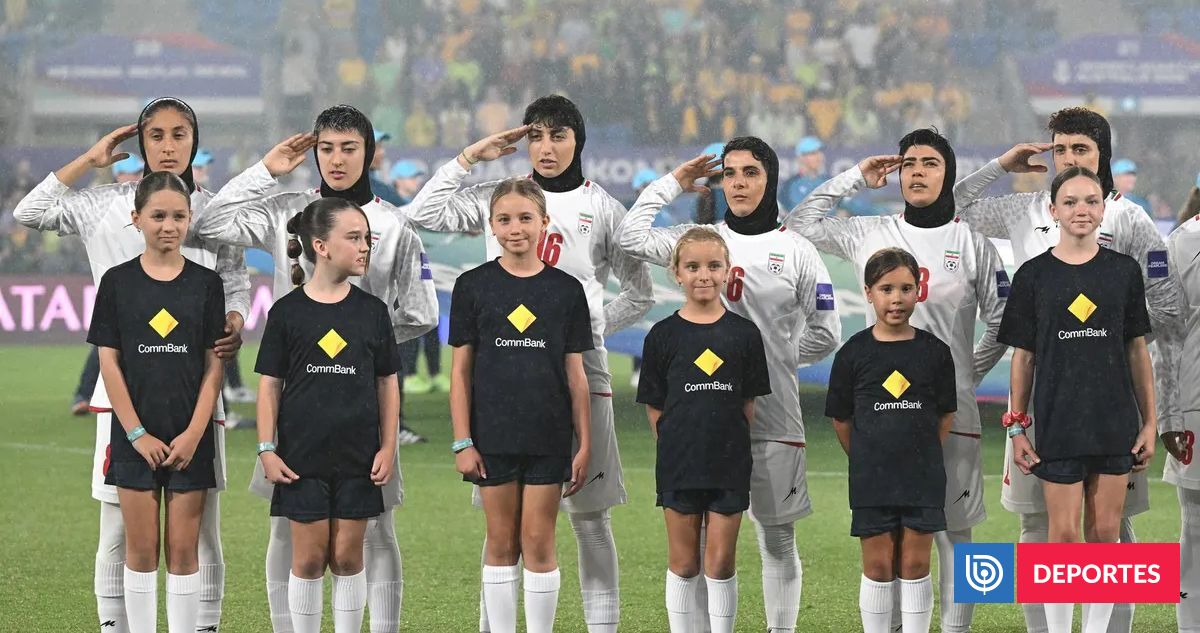
Australia has granted humanitarian visas to five members of the Iranian women’s national soccer team, a move confirmed by Prime Minister Anthony Albanese and Home Affairs Minister Tony Burke on Tuesday, March 10, 2026. The decision follows concerns for the players’ safety after they refused to sing the Iranian national anthem during matches at the Women’s Asian Cup, a gesture perceived as a protest against the Iranian government. The situation gained international attention after former U.S. President Donald Trump publicly urged Australia to offer asylum to the team, a call Albanese acknowledged during a phone conversation with Trump.
The players, who sought assistance to avoid returning to Iran, were moved to a secure location managed by the Australian Federal Police on Monday, according to Minister Burke. He emphasized that the women expressed a desire for safety and expressed gratitude for Australia’s offer of protection. The granting of asylum underscores the complex intersection of sports, politics, and human rights, particularly concerning the rights of women in Iran. This development comes amid heightened geopolitical tensions in the region, adding another layer of complexity to the situation.
Asylum Granted Amidst Political Pressure
The Australian government’s decision to grant asylum was expedited following a request from the players and a public appeal from Donald Trump. Trump, in a post on his social media platform Truth Social, stated he had spoken with Prime Minister Albanese and that five players had already been granted protection, with the possibility of others following suit. The Associated Press reported that Albanese confirmed the conversation with Trump and the progress made in securing the players’ safety.
While Trump’s intervention brought the case to greater prominence, Australian officials maintain that the decision was based on a careful assessment of the players’ individual circumstances and the potential risks they faced upon returning to Iran. Minister Burke consulted with Mike Burgess, Director-General of the Australian Security Intelligence Organisation (ASIO), to ensure there were no security concerns related to granting the visas. This consultation highlights the thoroughness of the process and the Australian government’s commitment to national security.
Protests and Concerns for Safety
The Iranian women’s soccer team’s participation in the Women’s Asian Cup, and their subsequent request for asylum, has drawn attention to the challenges faced by female athletes in Iran. The players’ decision not to sing the national anthem was seen by many as a silent protest against the government’s policies and restrictions on women’s rights. The regime in Iran has faced increasing criticism for its suppression of dissent and its strict enforcement of religious laws, including mandatory hijab rules. 7News Australia reported that the players were labeled “traitors” by some factions within Iran for their actions.
On Tuesday, a small group of protesters briefly blocked a bus transporting the Iranian women’s football team from their Gold Coast hotel, chanting “save our girls” as the vehicle attempted to depart. Queensland police intervened to clear the protesters, allowing the bus to proceed, reportedly towards the Gold Coast airport. Witnesses reported seeing at least one player in tears through the bus window, underscoring the emotional toll of the situation. This incident demonstrates the strong support for the players from activists and concerned citizens.
The Players’ Perspective
Minister Burke emphasized that the players’ primary motivation for seeking asylum was to ensure their personal safety, not to engage in political activism. “They are athletes who want to be safe and are very grateful that Australia has given them this opportunity,” he stated. This clarification is important in understanding the players’ decision and avoiding mischaracterization of their actions. The Australian government has offered the same opportunity to all members of the team, respecting their individual choices regarding whether to seek asylum.
The decision to seek help was described as “incredibly difficult” for the players, and it is understood that not all members of the Iranian team will choose to remain in Australia. Burke affirmed his respect for this decision, stating, “It’s important that they have as much capacity as possible to decide their own future.” This acknowledges the complex personal considerations at play and the potential repercussions for those who may choose to return to Iran.
International Response and Ongoing Support
Prime Minister Albanese reiterated Australia’s commitment to providing a safe and welcoming environment for the players who have sought assistance. “They are safe here and should sense at home,” he said, adding that the offer of support remains open to the rest of the team. The Australian government is working closely with relevant authorities to ensure the players receive the necessary support and assistance as they navigate their new lives in Australia.
The situation has sparked a broader conversation about the rights of athletes and the responsibilities of host countries in protecting individuals fleeing persecution. The Women’s Asian Cup, which saw Iran qualify for the first time since 2002, had already become a symbol of progress for women’s soccer in the region. The players’ courageous stand and Australia’s response have further amplified this message, highlighting the importance of gender equality and human rights on the global stage.
The classification of the Iranian team for the Women’s Asian Cup was celebrated by activists advocating for gender equality, particularly in light of the oppression faced by women in Iran, such as the mandatory wearing of the hijab in public spaces. This context underscores the significance of the players’ actions and the risks they faced.
The Australian government has not disclosed the specific details of the humanitarian visas granted to the players, citing privacy concerns. But, it is understood that the visas will allow them to remain in Australia indefinitely and provide access to essential services, including healthcare and education. The long-term implications of this decision for the players and for Australia’s relationship with Iran remain to be seen.
Next Steps and Ongoing Monitoring
The Australian government will continue to monitor the situation closely and provide support to the players as needed. Minister Burke has indicated that his office will remain in contact with the players and their representatives to ensure their well-being. The government is also prepared to address any potential challenges that may arise as the players adjust to their new lives in Australia.
The remaining members of the Iranian team are still with their handlers, and the Australian government has reiterated its offer of assistance to those who wish to seek asylum. The situation remains fluid, and further developments are expected in the coming days and weeks. The international community will be watching closely to see how this situation unfolds and what impact it will have on the broader issue of human rights in Iran.
The next confirmed step is a review of the situation by the Department of Home Affairs, scheduled for March 17, 2026, to assess the needs of the players and the potential for further assistance. This review will inform the government’s ongoing strategy for supporting the players and addressing any emerging challenges.
We encourage readers to share their thoughts and perspectives on this important story in the comments below. Your engagement helps us to continue providing comprehensive and insightful coverage of global events.
Keep reading