
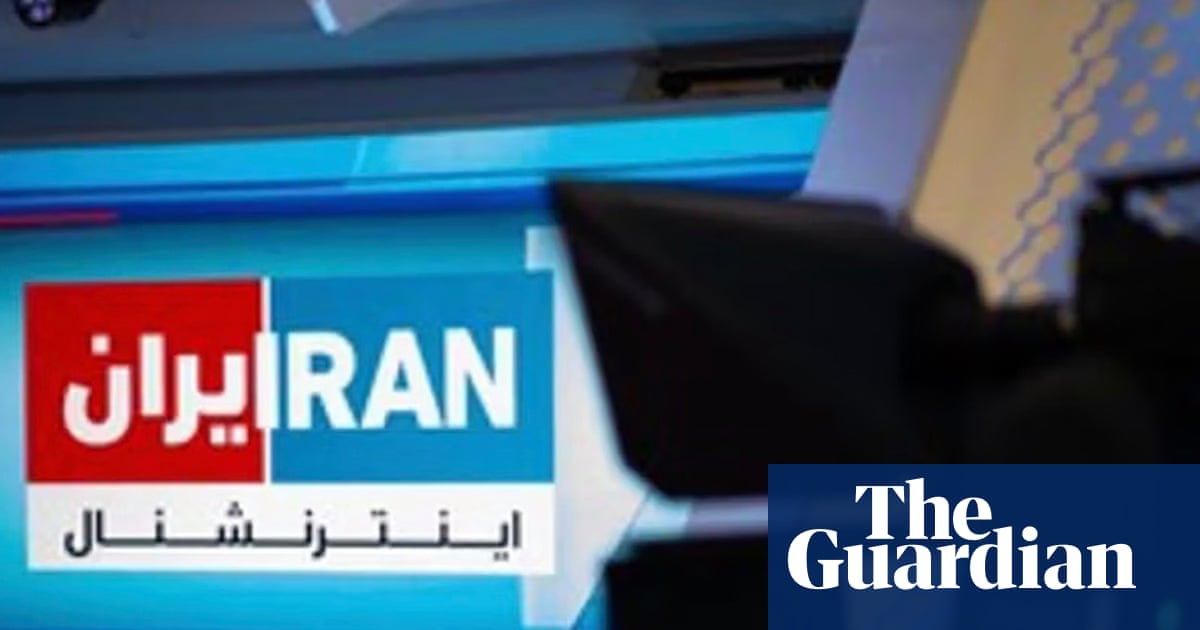
In recent months, a troubling pattern has emerged targeting Iranian journalists based in the United Kingdom, raising serious concerns about press freedom and the lengths to which authoritarian regimes will go to silence dissent abroad. Staff at Persian-language news outlets critical of Tehran have reported a surge in intimidation tactics, ranging from online threats and kidnapping plots to physical attacks on offices and residences. These incidents, which journalists and advocacy groups say are coordinated efforts to suppress independent reporting, have prompted renewed calls for stronger protections for media workers operating in exile.
The situation escalated in April 2026 when the London offices of Iran International, a Saudi-funded satellite television channel known for its critical coverage of the Iranian government, were targeted in an attempted arson attack. According to the Metropolitan Police, an ignited container was thrown into the car park of a building adjacent to the channel’s studios in the early hours of April 16. No injuries were reported, but the incident prompted an immediate counter-terrorism investigation. Police later confirmed that surveillance footage showed a suspect fleeing the scene on foot and inquiries remain ongoing.
This attack was not isolated. In the weeks preceding and following the arson attempt, several Iranian journalists based in the UK described receiving direct threats to their safety, including messages warning of kidnapping or violence if they continued their work. Some reported being followed or surveilled, while others said their personal details had been shared online in what appeared to be doxxing campaigns aimed at facilitating harm. These experiences echo warnings from international press freedom organizations about the growing use of transnational repression by state actors seeking to extend their control beyond national borders.
The Iranian government has long viewed BBC Persian and Iran International as adversaries, accusing them of spreading propaganda and undermining national security. Tehran routinely labels such outlets as part of a foreign-led “soft war” designed to destabilize the Islamic Republic. While Iranian officials deny direct involvement in attacks on journalists abroad, human rights groups and security experts argue that the pattern of behavior aligns with documented efforts by Iranian intelligence services to intimidate, abduct, or even assassinate critics in exile.
Understanding the Threat: Transnational Repression and Media Targeting
Transnational repression refers to actions taken by governments against individuals located outside their territory, often targeting dissidents, journalists, activists, or members of minority groups. These tactics can include digital surveillance, legal harassment, extradition requests, physical assaults, kidnappings, and, in extreme cases, assassinations. According to a 2023 report by the human rights organization Freedom House, Iran ranks among the top countries globally for engaging in such practices, particularly against Iranian nationals living in Europe and North America.
For Persian-language media operating from London, the risks are both professional and personal. Journalists at outlets like BBC Persian and Iran International often cover sensitive topics such as human rights abuses, corruption within the Iranian establishment, and protests against government policies — subjects that Tehran considers red lines. Their work frequently includes interviews with activists inside Iran, analysis of sanctioned officials, and investigative reporting that challenges state narratives.
In response to the April 2026 arson attempt, the Metropolitan Police stated they were treating the incident as a potential act of terrorism due to its nature and possible links to extremist or state-linked actors. Detective Chief Superintendent Elaine McCormick, leading the investigation, said in a public update that officers were reviewing CCTV footage, conducting forensic analysis, and appealing for witnesses. “We seize all threats to journalists and media organizations extremely seriously,” she said. “Any attempt to silence free expression through violence or intimidation will be met with a robust investigative response.”
As of mid-May 2026, no arrests had been made in connection with the Iran International attack, though police confirmed they were pursuing multiple lines of inquiry. The case remains active, with authorities urging anyone with information to approach forward.
Impact on Journalists and the Exile Media Community
The psychological toll on Iranian journalists in the UK has been significant. Many describe living with heightened anxiety, constantly assessing risks when leaving their homes or traveling to work. Some have altered their routines, avoided public appearances, or increased personal security measures. Others have spoken openly about fearing not just for themselves, but for their families still residing in Iran, who may face repercussions as a form of indirect pressure.
Despite these challenges, journalists continue their work, citing a professional and ethical obligation to report on events inside Iran that might otherwise go unseen. “We are not activists,” said one senior producer at Iran International who requested anonymity for safety reasons. “We are journalists doing our job — providing accurate information to millions of Persian speakers who deserve to recognize what is happening in their country. If we stop, the only voices left will be those approved by the state.”
Media freedom advocates have emphasized that attacks on journalists in exile threaten not only individuals but the broader ecosystem of independent information. When outlets like BBC Persian or Iran International are silenced or deterred, it becomes harder for the global public to understand developments within Iran, including economic struggles, social movements, and government responses to dissent.
In reaction to the rising threats, several journalism organizations have issued statements calling for greater protection. The Committee to Protect Journalists (CPJ) urged British authorities to treat threats against exiled media as a national security concern, while Reporters Without Borders (RSF) called for the UK to consider offering emergency relocation or enhanced security protocols for high-risk journalists.
Official Responses and Calls for Greater Protection
The UK government has acknowledged the seriousness of the situation. In a statement following the arson attack, a spokesperson for the Foreign, Commonwealth & Development Office (FCDO) said the UK “condemns all acts of violence and intimidation against journalists, wherever they occur,” and affirmed its commitment to defending press freedom globally. The Home Office added that it works closely with police and intelligence agencies to assess threats against individuals deemed to be at risk due to their work or identity.
However, some critics argue that current protections are insufficient. While the UK offers certain safeguards under its counter-terrorism and public order laws, there is no specific legal framework designed exclusively to counter transnational repression targeting journalists. Advocacy groups have called for clearer protocols, faster risk assessments, and better coordination between police, intelligence services, and media security advisors.
In late April 2026, the Index on Censorship hosted a roundtable with exiled Iranian journalists, legal experts, and policymakers to discuss potential reforms. Participants highlighted the need for improved threat intelligence sharing, access to emergency funding for relocation or security upgrades, and stronger diplomatic consequences for states found to be behind attacks on media personnel abroad.
As of May 2026, no fresh legislation had been introduced specifically addressing transnational repression of journalists in the UK, though officials said they were reviewing existing measures. The FCDO confirmed it continues to raise concerns about Iran’s actions in bilateral and multilateral forums, including the United Nations Human Rights Council.
What This Means for Press Freedom Globally
The targeting of Iranian journalists in the UK is part of a wider trend in which authoritarian states attempt to extend their reach beyond borders to control narratives and punish critics. Similar patterns have been observed in relation to Russia, China, Saudi Arabia, and other governments that view independent media as a threat to regime stability. When successful, such efforts create a chilling effect, discouraging others from speaking out and eroding the public’s access to truthful information.
For audiences inside Iran, BBC Persian and Iran International remain vital sources of news unavailable through state-controlled media. Despite satellite jamming and online censorship efforts, both outlets maintain significant viewership, particularly among younger Iranians and diaspora communities. Their reporting often fills gaps left by domestic blackouts, especially during periods of unrest.
Supporting these journalists is not only a matter of defending individual rights but also preserving the public’s right to know. As one media analyst noted during a panel discussion hosted by Chatham House in March 2026, “When we fail to protect journalists in exile, we allow dictators to rewrite reality — not just within their own borders, but in the global conversation about what is true and what is not.”
The next key development in this ongoing story will be any updates from the Metropolitan Police regarding the investigation into the April 16 arson attempt on Iran International’s London offices. As of mid-May 2026, no official timeline has been released for when conclusions might be reached, but authorities have stated the case remains active and under active review.
We encourage readers to stay informed, share credible reporting, and support organizations that defend press freedom worldwide. Your voice matters in the fight to retain journalism free, fearless, and independent.