Hatay, Turkey – NATO’s air defense systems successfully intercepted a ballistic missile launched from Iran early Wednesday, averting a potential strike on Turkish territory. The incident, which occurred over the Mediterranean Sea, marks a significant escalation in regional tensions following a series of attacks between Iran and its adversaries. While no casualties or damage were reported, the event underscores the growing risk of a wider conflict and has prompted strong condemnation from NATO allies.
The missile, identified as a ballistic weapon, traversed airspace over Iraq and Syria before entering Turkish airspace, triggering an immediate response from NATO’s defense network. According to a statement released by the Turkish Ministry of National Defense, the missile was “neutralized” by NATO’s air and missile defense systems stationed in the Eastern Mediterranean. Debris from the intercepted missile landed in the Dortyol district of Hatay province, a region bordering Syria, but authorities confirmed no injuries or damage occurred. This incident represents the first direct targeting of Turkish territory in the current wave of escalating hostilities.
NATO Condemns Iranian Attack, Reaffirms Support for Turkey
NATO Secretary General Jens Stoltenberg swiftly condemned Iran’s actions, reaffirming the alliance’s unwavering support for Turkey. “We condemn Iran’s attack on Turkey. NATO remains firmly united with all allies, including Turkey, as Iran continues its indiscriminate attacks across the region,” Stoltenberg stated. The alliance emphasized its robust posture of deterrence and defense, particularly in the realm of air and missile defense, a capability bolstered by the recent incident. This demonstration of NATO’s defensive capabilities serves as a clear signal of resolve in the face of escalating regional instability.
The incident comes amid heightened tensions following a series of retaliatory strikes between Iran and Israel, triggered by an alleged Israeli attack on the Iranian consulate in Damascus on April 1st. Iran responded with a barrage of drones and missiles targeting Israel over the weekend, prompting a response from both Israel and the United States. Turkey, while condemning the attacks on its territory, has also been critical of Israel’s actions, and President Recep Tayyip Erdoğan recently expressed condolences following the death of Iranian President Ebrahim Raisi in a helicopter crash on May 19th, 2024. This balancing act reflects Turkey’s complex geopolitical position, seeking to maintain relations with both Iran and its Western allies.
Diplomatic Efforts Underway to De-escalate Conflict
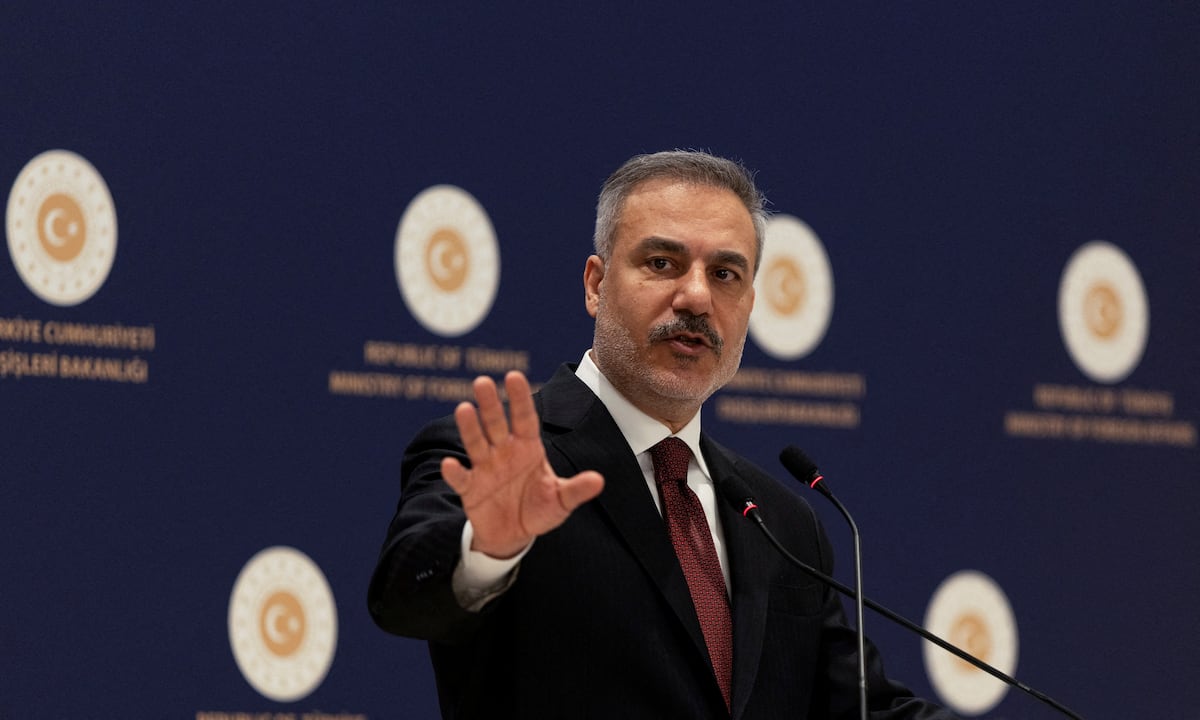
Following the missile interception, Turkish Foreign Minister Hakan Fidan spoke with his Iranian counterpart, Hossein Amir-Abdollahian, to convey Turkey’s strong protest. According to diplomatic sources, Fidan urged Iran to refrain from any actions that could further escalate the conflict. Turkey has consistently called for de-escalation and restraint from all parties involved, emphasizing the need for a diplomatic solution to the ongoing crisis. The Turkish government has warned that further escalation could have devastating consequences for regional stability and international security.
The United States has also been actively engaged in diplomatic efforts to de-escalate the situation. National Security Advisor Jake Sullivan spoke with his Israeli counterpart, Tzachi Hanegbi, on Wednesday, reiterating the U.S. Commitment to Israel’s security while urging restraint. The Biden administration has also been in contact with Iranian officials through intermediaries, seeking to convey the message that further escalation will be met with a firm response. However, prospects for a swift resolution remain uncertain, as both Iran and Israel appear determined to pursue their respective objectives.
The Strategic Importance of Turkey in Regional Security
Turkey’s strategic location, bordering both Iran and Syria, makes it a crucial player in regional security dynamics. As a NATO member, Turkey hosts vital military infrastructure, including radar systems and missile defense batteries, which contribute to the alliance’s overall defensive capabilities. The country’s control over the Turkish Straits, a key maritime chokepoint connecting the Black Sea to the Mediterranean, also gives it significant leverage in the region. This strategic importance has led to increased scrutiny of Turkey’s foreign policy and its role in managing the escalating conflict.
The recent missile interception highlights the effectiveness of NATO’s air and missile defense systems, which have been deployed in the region to protect member states from potential threats. These systems, including Patriot missile batteries and other advanced technologies, are capable of detecting, tracking, and intercepting a wide range of ballistic missiles and aerial threats. The incident serves as a reminder of the importance of investing in robust defense capabilities to deter aggression and protect civilian populations. The deployment of these systems demonstrates NATO’s commitment to collective defense and its willingness to respond to emerging security challenges.
Economic Implications of Rising Regional Instability
The escalating conflict in the Middle East is already having a significant impact on global energy markets, with oil prices rising sharply in recent days. Disruptions to oil supplies from the region could lead to higher energy costs for consumers and businesses worldwide, potentially exacerbating inflationary pressures. The conflict is also disrupting trade routes and supply chains, impacting a wide range of industries. The uncertainty surrounding the conflict is weighing on investor sentiment, leading to increased volatility in financial markets.
Turkey, as a major trading partner with countries in the Middle East, is particularly vulnerable to the economic fallout from the conflict. Disruptions to trade and tourism could negatively impact Turkey’s economic growth, while higher energy prices could increase the country’s import bill. The Turkish lira has also come under pressure, as investors seek safe-haven assets amid the heightened geopolitical risks. The Turkish government is closely monitoring the economic situation and is taking steps to mitigate the potential impact of the conflict on the country’s economy. These measures include diversifying trade partners and strengthening domestic industries.
The incident involving the intercepted missile underscores the fragility of peace and security in the Middle East and the urgent need for a diplomatic solution to the ongoing conflict. The international community must work together to de-escalate tensions, prevent further escalation, and address the root causes of instability in the region. The future of the Middle East, and indeed the global economy, depends on finding a peaceful and sustainable resolution to the current crisis. The next key development to watch will be the outcome of ongoing diplomatic efforts led by the United States and other international actors, as well as any further statements from NATO regarding its commitment to regional security.
Key Takeaways:
- NATO intercepted a ballistic missile launched from Iran towards Turkey on Wednesday, demonstrating the alliance’s defensive capabilities.
- The incident has further escalated tensions in the Middle East, following a series of attacks between Iran and Israel.
- Turkey has condemned the attack and is engaged in diplomatic efforts to de-escalate the conflict.
- The conflict is having a significant impact on global energy markets and financial stability.
- The international community must work together to find a peaceful and sustainable resolution to the crisis.
We encourage readers to share their thoughts and perspectives on this developing situation in the comments section below. Stay informed with World Today Journal for continued coverage of this critical story.
Keep reading
- 25-Year-Old AI Prodigy Aschenbrenner Faces Margin Call After 270% Returns
- Coinbase UK Boss: FCA Crypto Crackdown Will ‘Wipe Out’ Bad Actors and Boost Trust
- India’s Massive Student Protests Signal Growing Youth Frustration (newsdirectory3.com)
- Russian Missile and Drone Attack on Kyiv Kills Three Civilians (archyde.com)