
Esmail Qaani, the commander of the Islamic Revolutionary Guard Corps (IRGC) Quds Force, has issued a series of public warnings directed at Israel regarding its ongoing military operations in southern Lebanon. The rhetoric reflects a broader escalation in regional tensions, as Iranian officials continue to signal support for Hezbollah amid intensified cross-border hostilities. These statements arrive as international mediators seek to prevent a wider conflict, though Tehran maintains that the current trajectory of the conflict necessitates a withdrawal of Israeli forces.
The statements attributed to Qaani emphasize a demand for the cessation of Israeli military presence in Lebanese territory. According to reports from regional media outlets, including those monitoring IRGC official communications, the commander warned that failure to withdraw could lead to significant military setbacks for Israeli forces. These threats are framed within the context of Iran’s “Axis of Resistance,” a network of regional proxies and allies that Tehran coordinates to project influence across the Middle East, a structure detailed by the Council on Foreign Relations.
Context of the Escalation in Southern Lebanon
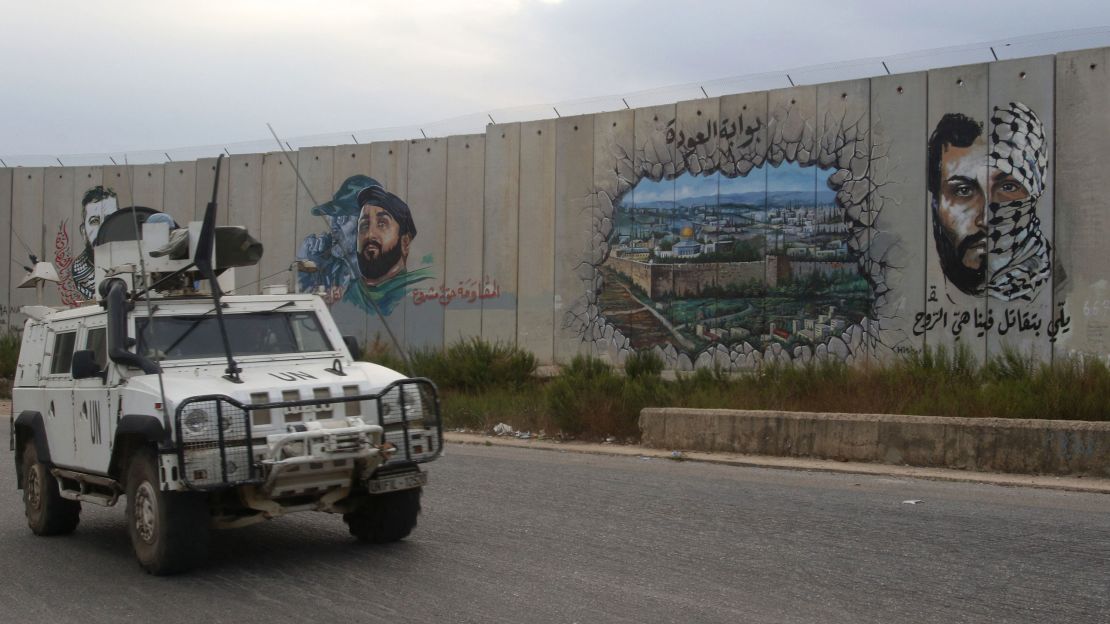
The current military situation in southern Lebanon remains volatile, characterized by daily exchanges of fire between the Israel Defense Forces (IDF) and Hezbollah. These hostilities have intensified since October 2023, following the outbreak of war in Gaza. According to the United Nations Interim Force in Lebanon (UNIFIL), which maintains a presence in the border region, the frequency of strikes has significantly increased, leading to the displacement of tens of thousands of civilians on both sides of the Blue Line.

Tehran’s explicit warnings, delivered through figures like Qaani, are intended to signal to both regional adversaries and international observers that Iran retains a high level of strategic involvement in the Lebanese theater. While Iran consistently characterizes its support for Hezbollah as defensive, Western intelligence agencies, including those in the United States, have long documented the transfer of advanced weaponry and tactical training from the Quds Force to the militia, as noted in reports by the U.S. Department of State.
Geopolitical Implications and Regional Stability
The rhetoric from the IRGC commander serves as a diplomatic pressure point, aimed at deterring a potential Israeli ground offensive into southern Lebanon. Analysts suggest that the timing of these statements is not coincidental; they often precede or follow significant shifts in military posture. By framing the potential removal of Israeli troops as a necessity for avoiding “defeat,” the Iranian leadership is attempting to shape the narrative of the conflict for their domestic audience and regional allies.

However, the efficacy of such threats remains a subject of intense debate among security analysts. The Israeli government, led by Prime Minister Benjamin Netanyahu, has maintained that its primary objective in the north is the restoration of security to allow displaced residents to return to their homes. Israeli officials have repeatedly stated that they are prepared to utilize all necessary means to push Hezbollah forces back from the border, citing UN Security Council Resolution 1701, which calls for the disarmament of non-state armed groups in the region.
Media Framing and Information Warfare
The reporting on these threats has varied significantly across regional media, illustrating the complex information landscape surrounding the conflict. Some outlets have focused on the “ultimatum” aspect of the statements, suggesting an immediate deadline for withdrawal, while others interpret the rhetoric as standard posturing. These discrepancies highlight the difficulty in verifying real-time military intentions versus political signaling.
It is crucial for observers to distinguish between public threats and actual military maneuvers. While the Quds Force plays a central role in Iran’s regional strategy, the decision-making process in Tehran involves a complex interplay between the Supreme Leader’s office, the IRGC, and the civilian government. Observers monitoring the situation should rely on updates from the Israel Defense Forces and official statements from the Lebanese government to track the actual status of the border conflict, rather than relying solely on inflammatory rhetoric from external actors.
Future Developments
The situation remains fluid. The next major checkpoint for regional stability involves ongoing diplomatic efforts led by the United States and France, which are attempting to broker a de-escalation framework that would see Hezbollah withdraw from the immediate border area in exchange for border delineations and economic incentives. Whether these talks can succeed in the face of escalating threats from the Quds Force remains to be seen.
Readers are encouraged to monitor official press releases from the United Nations and the respective ministries of defense for verified updates. We welcome your perspectives on these developments in the comments section below, provided they remain focused on the geopolitical facts of the situation.
Worth a look
- Why You Shouldn’t Store Medicine in the Heat: Austria Pharmacists’ Warning
- Colombia Earthquake: Massive 7.4 Quake Tests New Right-Wing President Abelardo de la Espriella
- US Warns Over Transparency Risks in China Overseas Lending (newsdirectory3.com)
- Force-Placed Insurance, Explained: The Coverage You Never Chose (daybreakwire.com)