
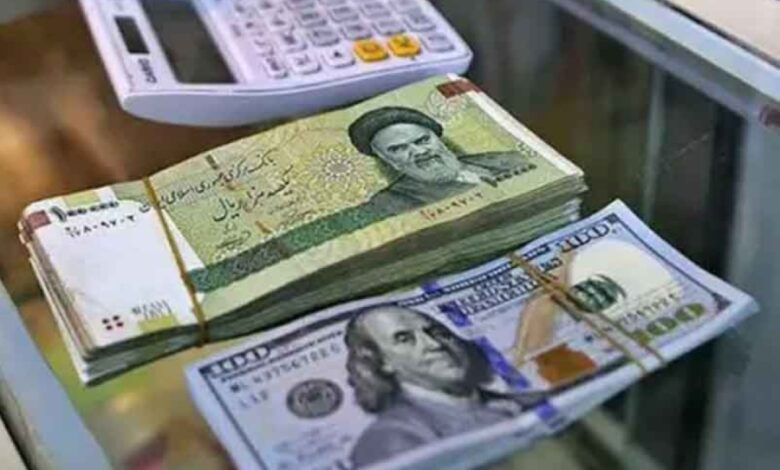
Iranian Rial Plummets to Record Low Against the Dollar
The Iranian Rial has experienced a dramatic decline in value, reaching a record low against the US dollar in recent days. Reports indicate a significant depreciation of the currency, fueling concerns about the country’s economic stability and the impact on its citizens. The weakening Rial is occurring against a backdrop of ongoing economic challenges, including international sanctions and domestic economic policies. As of April 29, 2026, it takes approximately 1,315,500 Iranian Rials to equal one US dollar, a stark contrast to rates seen in previous years.
The precipitous fall of the Rial is impacting everyday life for Iranians, driving up the cost of essential goods and services. The increasing exchange rate directly translates to higher prices for imported products, which constitute a significant portion of the country’s consumer market. This inflationary pressure is exacerbating existing economic hardships for many Iranians, particularly those with fixed incomes. The situation is further complicated by the country’s complex economic landscape and its relationship with the global financial system.
Factors Contributing to the Rial’s Decline
Several factors are contributing to the Rial’s sharp devaluation. Long-standing international sanctions, primarily imposed by the United States, have severely restricted Iran’s access to global markets and its ability to conduct international trade. These sanctions limit the country’s oil exports, a major source of revenue, and hinder foreign investment. The restrictions on financial transactions similarly make it hard for Iranian businesses to operate internationally.

Beyond sanctions, domestic economic policies and concerns about the country’s political stability are also playing a role. Some analysts point to concerns about the central bank’s monetary policy and its ability to effectively manage the currency’s value. Political uncertainty and regional tensions further contribute to investor anxiety, leading to capital flight and increased demand for foreign currencies. The combination of these factors has created a challenging environment for the Iranian Rial.
Historical Context and Recent Developments
The Iranian Rial has faced significant pressure for several years, but the recent decline represents a particularly sharp drop. According to reports, the currency has lost a substantial portion of its value since the beginning of 2026. In April 2026, the Rial reached a new low, prompting concerns from economists and policymakers. This marks the lowest value of the Rial since the 1979 Islamic Revolution, as reported by BFM.
The current crisis builds upon a history of economic challenges in Iran. Sanctions have been a recurring feature of the country’s economic landscape for decades, and the Rial has experienced periods of volatility in the past. Though, the current situation is particularly acute, with the currency’s value falling at an unprecedented rate. The ongoing geopolitical tensions in the region and the uncertainty surrounding international negotiations over Iran’s nuclear program are also contributing to the economic instability.
Impact on the Iranian Economy and Citizens
The devaluation of the Rial has far-reaching consequences for the Iranian economy and its citizens. The rising cost of imports is fueling inflation, eroding purchasing power, and making it more difficult for ordinary Iranians to afford basic necessities. Businesses that rely on imported raw materials are facing higher production costs, which they may pass on to consumers in the form of higher prices.
The weakening Rial also impacts Iran’s foreign debt obligations, making it more expensive to service its debts. This could further strain the country’s finances and limit its ability to invest in essential infrastructure and social programs. The economic hardship is likely to exacerbate social unrest and political tensions within the country. The situation is particularly challenging for vulnerable populations, including low-income families and those dependent on government assistance.
International Response and Potential Solutions
The international community is closely monitoring the situation in Iran. Whereas sanctions remain in place, there are ongoing diplomatic efforts to address the country’s economic challenges. Negotiations over Iran’s nuclear program could potentially lead to a easing of sanctions, which could provide some relief to the Iranian economy. However, the prospects for a breakthrough in these negotiations remain uncertain.
Within Iran, the government is implementing various measures to stabilize the currency and address the economic crisis. These measures include tightening monetary policy, controlling the money supply, and promoting domestic production. However, the effectiveness of these measures is limited by the broader economic and political constraints facing the country. Some economists suggest that more comprehensive economic reforms are needed to address the underlying causes of the Rial’s decline.
Looking Ahead
The future of the Iranian Rial remains uncertain. The currency’s value will likely continue to be influenced by a complex interplay of factors, including international sanctions, domestic economic policies, and geopolitical developments. The outcome of ongoing negotiations over Iran’s nuclear program will be a key determinant of the country’s economic prospects.
Analysts are closely watching for any signs of a shift in the government’s economic policies or a change in the international sanctions regime. The next major development to watch for is the outcome of the next round of talks between Iran and international powers, scheduled for late May 2026. The success or failure of these talks could have a significant impact on the Rial’s value and the overall health of the Iranian economy.
The situation warrants continued monitoring and analysis. Readers interested in staying informed about developments in Iran’s economy can follow reports from reputable financial news sources and international organizations. Share your thoughts and perspectives on this critical issue in the comments below.