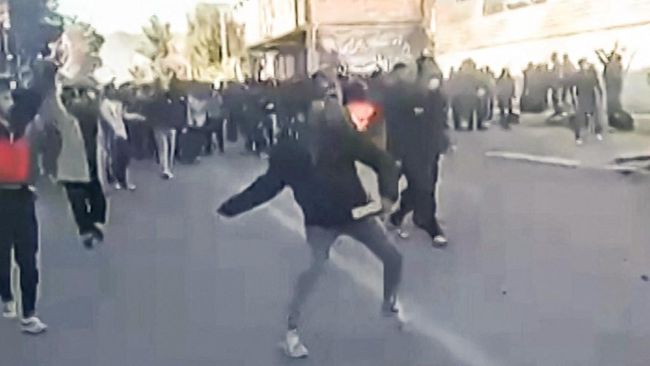
Recent images captured by Reuters and AFP on Friday, January 9, 2026, depict escalating unrest within Iran. A striking photograph shows a vehicle engulfed in flames as demonstrators voice their discontent outside a police station, marking what appears to be the largest wave of protests the nation has experienced due to mounting economic hardships in Azna, Lorestan Province, Iran.
Understanding the Iranian Protests of 2026
The current demonstrations in Iran represent a critical juncture for the nation,fueled by widespread economic frustration and a growing sense of desperation among its citizens. As of January 9, 2026, the protests are intensifying, with reports of clashes between protestors and security forces becoming increasingly frequent. Understanding the root causes and potential consequences of this unrest is vital for anyone following global events. We’ll delve into the specifics, offering insights into the situation as it unfolds.
The Economic Crisis: A Catalyst for Discontent
At the heart of these protests lies a severe economic crisis. Iran’s economy has been struggling for years, impacted by international sanctions, declining oil prices, and internal mismanagement. Recent data from the World Bank (December 2025) indicates a 15% increase in the cost of living over the past year,coupled with a 12% rise in unemployment,particularly among young people. This has created a climate of widespread financial insecurity, pushing many Iranians to the brink. You might be wondering, what specific factors are contributing to this economic downturn?
Several key factors are at play. The reimposition of sanctions by the United States in 2018 significantly curtailed Iran’s oil exports, its primary source of revenue. Furthermore, allegations of corruption and inefficient economic policies have exacerbated the situation. The resulting inflation and lack of opportunities have fueled public anger, making protests unavoidable.
Did You Know? Iran’s economic challenges are not new, but the intensity of the current crisis is unprecedented in recent decades, leading to a significant decline in the purchasing power of ordinary citizens.
Escalating Tensions and Government Response
The initial protests, sparked by rising prices and economic hardship, have quickly evolved into broader expressions of discontent with the political system. Demonstrators are calling for greater economic reforms, increased political freedoms, and an end to corruption. However, the government’s response has been swift and forceful.Reports indicate the deployment of security forces to quell the protests, leading to clashes and arrests.
The use of force by security forces has drawn condemnation from international human rights organizations.Amnesty International released a statement on january 8,2026,documenting instances of excessive force,including the use of live ammunition against protestors. This heavy-handed approach risks further escalating tensions and fueling the cycle of violence. It’s crucial to remember that the government’s actions will have long-term consequences for the stability of the region.
Here’s a quick comparison of the current situation with previous periods of unrest in iran:
| Year | Trigger | Government Response | Outcome |
|---|---|---|---|
| 2009 | Disputed Presidential Election | Crackdown on Protests | limited Reforms |
| 2019 | Fuel Price Hike | Widespread Arrests & Internet Shutdown | Economic Concessions |
| 2026 | Economic Crisis | Deployment of Security Forces | ongoing – Potential for Significant Change |
Pro Tip: Staying informed about the situation in Iran requires consulting multiple sources and critically evaluating the information presented. Be wary of biased reporting and seek out diverse perspectives.
The Role of Social Media and Information Access
Social media platforms are playing a crucial role in disseminating information about the protests, bypassing state-controlled media. Despite government attempts to restrict access to the internet, protestors are using VPNs and encrypted messaging apps to share videos, images, and updates with the outside world. This has allowed the international community to witness the events unfolding in Iran firsthand.
I’ve found that the ability to circumvent censorship is empowering protestors and raising awareness about the situation. However, it also presents challenges, as misinformation and propaganda can easily spread online. Therefore, it’s essential to verify information before sharing it and to rely on credible sources.
The Future of Iran: Navigating a complex Landscape
The ongoing protests in Iran represent a significant challenge to the current regime. The scale and intensity of the unrest suggest that the underlying issues are deeply rooted and will not be easily resolved. The government faces a difficult choice: continue with its current repressive approach, or engage in meaningful dialog with the protestors and address their grievances. The path forward is uncertain, but one thing is clear: the future of iran hangs in the balance.
The situation demands careful monitoring and a nuanced understanding of the complex dynamics at play. The economic crisis, coupled with the desire for greater political freedoms, has created a volatile surroundings. As we move forward, it’s crucial to prioritize human rights, promote dialogue, and support the Iranian people in their pursuit of a better future. The current unrest in Iran is a stark reminder of the importance of economic stability and political accountability. Understanding the iranian protests and their causes is paramount for informed global citizenship. What role do you think the international community should play in addressing this crisis?