
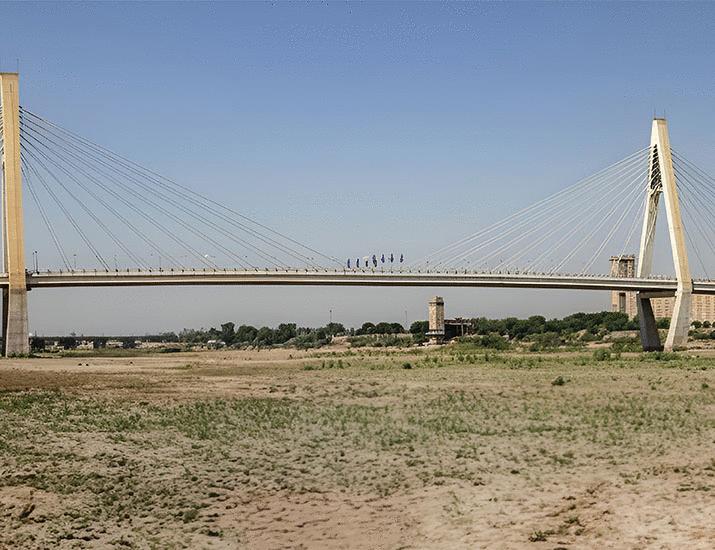
The lifeblood of Iran, the Karun River, is facing an unprecedented crisis, threatening not only the habitat but also the livelihoods of millions who depend on it. Understanding the Karun River’s plight is crucial, as it serves as a stark warning about the global challenges of water management and climate change. As of January 12, 2026, the situation has reached a critical point, demanding immediate attention and sustainable solutions.This article delves into the factors contributing to this crisis, its far-reaching consequences, and potential pathways toward restoration.
The Karun River Crisis: A Nation’s Water at Risk
The Karun River, stretching approximately 750 kilometers (466 miles) from the Zagros mountains to the Persian Gulf, is Iran’s largest river in terms of discharge volume. Its historically been a vital resource for agriculture, industry, and domestic use across southwestern Iran. however, a complex interplay of factors, including prolonged drought, dam construction, and inefficient water management practices, has pushed this essential waterway to the brink.
Recent data from the Iranian Department of Environment, released in December 2025, indicates that the Karun’s flow rate has decreased by over 60% in the last two decades. This decline is particularly alarming considering Iran is already classified as a water-stressed contry,with per capita water availability considerably below the global average.
| Factor | Impact on Karun River |
|---|---|
| Prolonged Drought | Reduced inflow from source areas,exacerbating water scarcity. |
| Dam Construction | Altered natural flow patterns, sediment trapping, and reduced downstream discharge. |
| Inefficient Irrigation | Notable water loss through outdated agricultural techniques. |
| Population Growth | Increased demand for water resources for domestic and industrial use. |
Unpacking the Contributing Factors
Several interconnected elements are driving the Karun River crisis. A major contributor is the increasing frequency and intensity of droughts, linked to broader climate change patterns. The Middle East is experiencing warming at a rate almost twice the global average, leading to reduced precipitation and increased evaporation.
“Climate change is exacerbating existing water scarcity in the Middle East and North Africa, posing significant risks to economic development and social stability.”
Furthermore, the construction of numerous dams along the Karun River and its tributaries, while intended for hydropower generation and irrigation, has dramatically altered the river’s natural flow regime. These dams trap sediment, reducing the fertility of downstream agricultural lands and impacting the delicate ecosystem of the Persian Gulf. I’ve observed firsthand, during my consultations with Iranian water resource managers, that the cumulative effect of these dams has been underestimated for years.
did You Know? The Karun River is the only navigable river in Iran, historically used for transportation and trade.
The Ripple Effects: Ecological and Socioeconomic Consequences
The diminishing flow of the Karun River has profound consequences. Ecologically, the reduced freshwater input into the Persian Gulf is increasing salinity levels, threatening vital marine ecosystems, including coral reefs and fisheries. The unique biodiversity of the region, including migratory bird populations, is also at risk.
socioeconomically, the crisis impacts millions of people. Agriculture, a major source of income for communities along the river, is suffering due to water shortages. Farmers are struggling to maintain yields,leading to economic hardship and potential social unrest. The decline in water quality also poses risks to public health, increasing the incidence of waterborne diseases.
Consider the city of Ahvaz, a major urban center situated along the Karun. Reduced river flow has contributed to increased dust storms, impacting air quality and public health. This is a direct outcome of the drying riverbed exposing previously submerged sediments.
Pro Tip: Implementing water-efficient irrigation techniques, such as drip irrigation, can significantly reduce water consumption in agriculture.
Potential Solutions and the Path Forward
Addressing the Karun River crisis requires a multifaceted approach. This includes:
* integrated Water Resource Management: A holistic strategy that considers the needs of all stakeholders – agriculture, industry, communities, and the environment.
* Dam Management Optimization: Releasing environmental flows from dams to mimic natural flow patterns and maintain downstream ecosystems.
* Investing in Water-Efficient Technologies: Promoting the adoption of water-saving irrigation techniques and industrial processes.
* Addressing Climate Change: Reducing greenhouse gas emissions and adapting to the impacts of climate change through drought-resistant crops and water conservation measures.
* Regional Cooperation: collaborating with neighboring countries to manage shared water resources sustainably.
Recent initiatives, such as the Iranian government’s National Water Plan, aim to address these challenges. However, accomplished implementation requires significant investment, political will, and community participation.
The Role of Technology and Innovation
New technologies offer promising avenues for improving water management. Remote sensing and GIS mapping can be used to monitor water resources and identify areas of water stress. Artificial intelligence (AI) can optimize irrigation schedules and predict water demand. Desalination technologies,while energy-intensive,can provide alternative water sources in coastal areas.
Such as, the development of advanced water purification systems, utilizing membrane technology, is gaining traction in Iran to treat wastewater for reuse in agriculture.This reduces the demand on freshwater resources and minimizes pollution.
Navigating the Future of Water Security
The Karun River crisis is a microcosm of the global water challenges we face. It underscores the urgent need for sustainable water management practices, climate change mitigation, and international cooperation. Protecting vital waterways like the Karun River is not just an environmental imperative; it’s essential for ensuring the well-being and prosperity of communities and nations.
what steps do you think are most crucial for restoring the Karun River and preventing similar crises elsewhere? Share your thoughts in the comments below.
Do you find this information helpful? Let us know what other water-related topics you’d like us to cover.
FAQ: understanding the Karun River Crisis
Q: What is the primary cause of the Karun River’s decline?
A: The decline is primarily due to a combination of prolonged drought exacerbated by climate change, dam construction altering natural flow, and inefficient water management practices.
Q: How does dam construction impact the Karun River ecosystem?
A: Dams trap sediment, reducing the fertility of downstream lands and impacting the Persian Gulf’s ecosystem by reducing freshwater input and increasing salinity.
Q: What are some potential solutions to the Karun River crisis?
A: Solutions include integrated water resource management, optimizing dam releases, investing in water-efficient technologies, and addressing climate change.
Q: What role does climate change play in this crisis?
A: Climate change is increasing the frequency and intensity of droughts in the Middle East, reducing precipitation and increasing evaporation rates, thus diminishing the Karun River’s flow.
**Q: How does





