Former President Donald Trump has repeatedly referenced Iran’s “nuclear dust” in public remarks, a phrase that has drawn confusion and concern from analysts and the public alike. Despite the evocative terminology, experts confirm that what Trump is describing is not literal dust but a stockpile of uranium enriched to near weapons-grade levels. This material, stored in secure facilities across Iran, represents a significant point of contention in ongoing international efforts to monitor and limit Tehran’s nuclear capabilities.
The term “nuclear dust” appears to be a mischaracterization or oversimplification of Iran’s actual nuclear inventory. According to verified reporting, Iran has maintained uranium enriched up to 60% purity — a level far beyond what is needed for civilian nuclear energy but still below the 90% threshold typically required for a nuclear weapon. This stockpile has been held in large, pressurized canisters resembling scuba tanks, designed to prevent degradation and ensure safe storage under international monitoring protocols.
Trump’s use of the phrase gained attention during recent public appearances, where he asserted that previous U.S. Administrations had failed to eliminate Iran’s nuclear threat. However, fact-checks by reputable news organizations indicate that while Iran has expanded its enrichment activities since the U.S. Withdrawal from the Joint Comprehensive Plan of Action (JCPOA) in 2018, no credible evidence suggests the country has produced a nuclear weapon or achieved breakout capability as of early 2026.
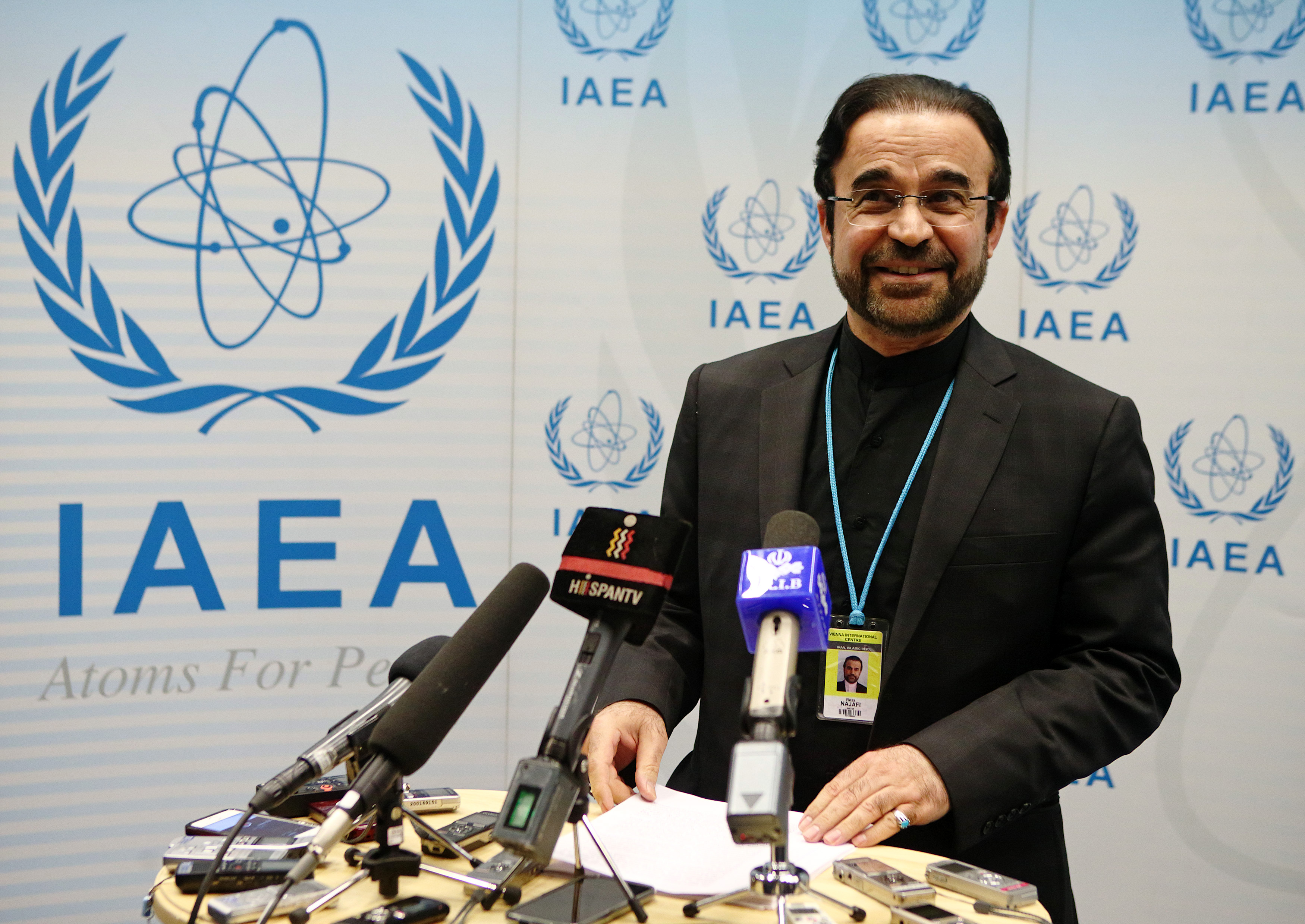
The International Atomic Energy Agency (IAEA) continues to conduct regular inspections of Iran’s declared nuclear sites, including facilities where enriched uranium is stored. Though access has at times been restricted, the agency maintains surveillance through seals, cameras and remote monitoring to track changes in inventory. Any significant movement or enrichment beyond declared levels would trigger immediate investigation under the IAEA’s mandate.
U.S. Officials have periodically reviewed options for addressing Iran’s growing stockpile, including diplomatic engagement, sanctions, and, in extreme scenarios, consideration of military action to seize or disable nuclear materials. Reports from late 2025 and early 2026 indicate that strategic reviews within the Pentagon and State Department have included discussions of special operations aimed at securing uranium stockpiles — though no such mission has been authorized or executed to date.
Experts emphasize that the real concern lies not in the physical form of the material but in Iran’s capacity to rapidly enrich uranium further should political decisions shift. The 60%-enriched uranium stockpile, while not weapon-ready, could theoretically be converted to 90% purity in a matter of weeks if enrichment cascades were reconfigured — a timeline that keeps regional and global leaders on alert.
As diplomatic talks remain stalled and verification mechanisms face strain, the international community continues to rely on technical monitoring and intelligence assessments to gauge Iran’s nuclear progress. For now, the material referred to as “nuclear dust” remains under containment, but its existence underscores the fragility of nonproliferation efforts in an era of heightened geopolitical tension.
Stay informed on developments in global security and nuclear policy by following trusted sources such as the International Atomic Energy Agency and major news outlets. Share your thoughts in the comments below and support foster a constructive dialogue on one of the world’s most pressing challenges.