The recent death of Ayatollah Ali Khamenei and the subsequent ascension of his son, Mojtaba Khamenei, to the position of Iran’s Supreme Leader have reshaped the geopolitical landscape, raising questions about the future direction of the Islamic Republic and the interests of external actors in the ongoing regional dynamics. The transition occurs against a backdrop of heightened tensions, including recent U.S.-Israeli strikes and persistent concerns over Iran’s nuclear program and regional influence. Understanding who stands to gain – or lose – from the current situation requires a nuanced examination of the motivations of key players.
The naming of Mojtaba Khamenei as the new Supreme Leader, effective March 8, 2026, has been widely interpreted as a move towards consolidating power within the existing establishment. Politico reports this decision signals a preference for stability as Iran navigates a period of significant challenges. Born on September 8, 1969, Mojtaba Khamenei previously held a prominent position as Vakil of the Office of the Supreme Leader since August 21, 2008, and has a background in the Islamic Revolutionary Guard Corps, serving in both the Ground Forces (1987-1988) and the Basij (2009-2026). His appointment, however, is viewed with skepticism by some international observers, particularly in Washington, who anticipate a continuation of hardline policies.
The United States’ Objectives and Challenges
For the United States, the ideal outcome of the current situation in Iran would be a significant shift in the Islamic Republic’s behavior. This includes ceasing support for regional militias, improving its human rights record, and potentially modifying its nuclear ambitions. A severely weakened Iran, while not explicitly sought, could create an environment more conducive to these changes, according to some analyses. However, the selection of Mojtaba Khamenei as Supreme Leader complicates this scenario. His background and perceived ideological alignment with hardline factions suggest a limited appetite for compromise with Washington.
The U.S. Has long maintained a policy of containment towards Iran, coupled with efforts to prevent the development of nuclear weapons. The reimposition of sanctions under previous administrations aimed to cripple Iran’s economy and compel a change in its policies. While these sanctions have undoubtedly created economic hardship, they have not fundamentally altered Iran’s strategic trajectory. The recent strikes attributed to the U.S. And Israel, resulting in the death of Ayatollah Ali Khamenei, demonstrate a willingness to escalate pressure, but also carry the risk of further destabilizing the region. The U.S. Is now faced with navigating a new reality under a leadership in Tehran that is likely to be even more resistant to external influence.
Regional Powers and Their Stakes
Several regional powers have significant interests in the outcome of the situation in Iran. Saudi Arabia, a long-standing rival of Iran, views the new leadership with cautious optimism. The ongoing proxy conflicts in Yemen, Syria, and Lebanon have fueled a deep-seated rivalry between the two countries. A more unstable Iran could create opportunities for Saudi Arabia to expand its influence in the region, but also carries the risk of escalating tensions and potentially triggering a wider conflict. Saudi Arabia has been actively pursuing diplomatic solutions to regional conflicts, but its willingness to engage with the new Iranian leadership remains uncertain.
Israel shares similar concerns regarding Iran’s regional ambitions and its nuclear program. Israel views Iran as an existential threat and has repeatedly stated its willingness to take military action to prevent Iran from acquiring nuclear weapons. The recent strikes, widely believed to have been carried out with Israeli involvement, underscore this commitment. The appointment of Mojtaba Khamenei, perceived as a hardliner, is likely to reinforce Israel’s hawkish stance towards Iran. Israel will likely continue to monitor Iran’s activities closely and maintain a high level of preparedness for potential military confrontation.
Other regional actors, such as Turkey and Qatar, have maintained more pragmatic relationships with Iran. Turkey, despite being a NATO member, has pursued economic and political ties with Iran, driven by shared interests in regional stability and economic cooperation. Qatar has played a mediating role in regional conflicts, including facilitating talks between Iran and other countries. These nations will likely seek to maintain a dialogue with the new Iranian leadership, hoping to de-escalate tensions and promote regional stability.
Iran’s Internal Dynamics and the Future Trajectory
Beyond external actors, Iran’s internal political dynamics will play a crucial role in shaping its future trajectory. The death of Ayatollah Ali Khamenei, who had served as Supreme Leader for over three decades, creates a power vacuum and opens up opportunities for different factions to assert their influence. Mojtaba Khamenei’s appointment is seen as a victory for hardline elements within the Iranian establishment, who favor a more assertive foreign policy and a stricter adherence to Islamic principles.
However, We find also voices within Iran calling for reform and greater openness. The widespread protests that erupted in 2025 and 2026, sparked by economic grievances and social restrictions, demonstrated a growing dissatisfaction with the status quo. These protests, as noted in web search results, included slogans such as “Death to Khamenei” and “Death to Mojtaba,” highlighting the depth of public discontent. While the protests were suppressed, the underlying issues remain unresolved. The new leadership will face the challenge of addressing these grievances while maintaining control and preserving the Islamic Republic’s ideological foundations.
The economic situation in Iran is also a critical factor. Sanctions, coupled with mismanagement and corruption, have severely damaged the Iranian economy, leading to high inflation, unemployment, and widespread poverty. The new leadership will need to address these economic challenges to prevent further social unrest and maintain its legitimacy. However, the prospects for economic recovery are limited, given the ongoing sanctions and the lack of significant foreign investment.
The Role of the Islamic Revolutionary Guard Corps
The Islamic Revolutionary Guard Corps (IRGC) plays a pivotal role in Iran’s political and security landscape. Mojtaba Khamenei’s prior service within the IRGC, including his involvement in operations during the Iran-Iraq War and his later role within the Basij, suggests a close relationship with the organization. The IRGC has significant economic interests and wields considerable influence over Iranian politics. Its continued support for regional militias and its involvement in suppressing dissent are major sources of concern for the international community. The new leadership is likely to rely heavily on the IRGC to maintain internal security and project Iran’s power abroad.
Recent Developments and the 2026 Iran War
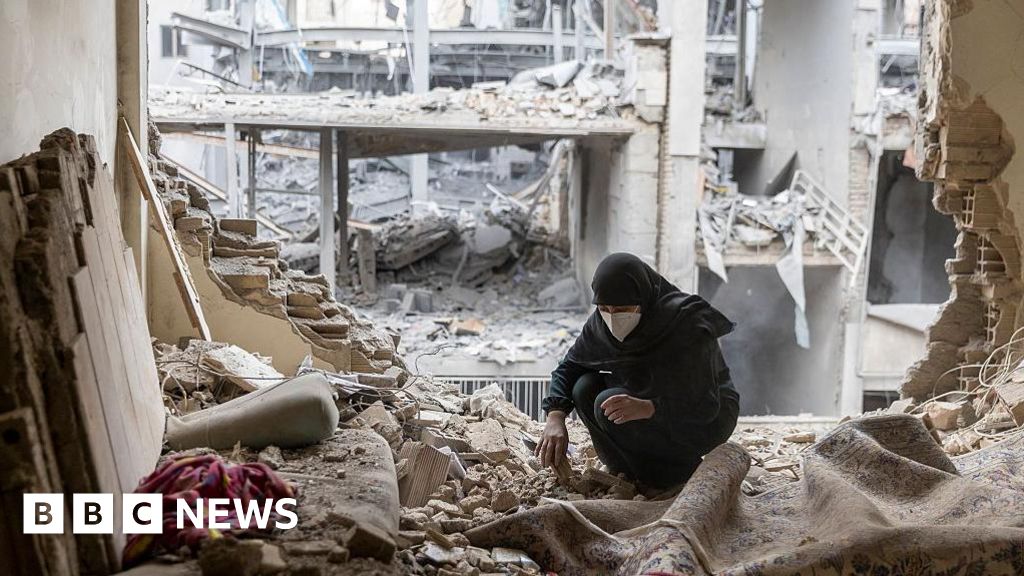
The recent escalation of hostilities, referred to as the 2026 Iran war, has further complicated the situation. While the full extent of the conflict remains unclear, reports indicate significant damage to Iranian infrastructure and casualties on both sides. Wikipedia notes Mojtaba Khamenei was wounded in action during this conflict. This conflict has heightened tensions and increased the risk of a wider regional war. The new leadership will need to navigate this volatile situation carefully, balancing the need to defend Iran’s interests with the desire to avoid further escalation.
Masoud Pezeshkian currently serves as President of Iran, with Mohammad Reza Aref as Vice President. Their roles will be crucial in implementing the policies set forth by the Supreme Leader and managing the country’s internal affairs. The interplay between these leaders and the IRGC will determine the future direction of Iran.
The situation remains fluid, and unpredictable. The appointment of Mojtaba Khamenei as Supreme Leader represents a significant turning point in Iran’s history. The coming months and years will be critical in determining whether Iran will pursue a path of confrontation or seek a more constructive engagement with the international community. The interests of the United States, regional powers, and the Iranian people are all intertwined, making the stakes exceptionally high.
The next key development to watch will be the Iranian government’s response to international pressure and its willingness to engage in meaningful negotiations. Further escalation of the conflict or a continued rejection of diplomatic solutions could have devastating consequences for the region and the world. World Today Journal will continue to provide comprehensive coverage of these developments as they unfold.
What are your thoughts on the new leadership in Iran? Share your comments below.
Worth a look