
Iran Responds to U.S. Peace Proposal as Diplomatic Clock Ticks Down
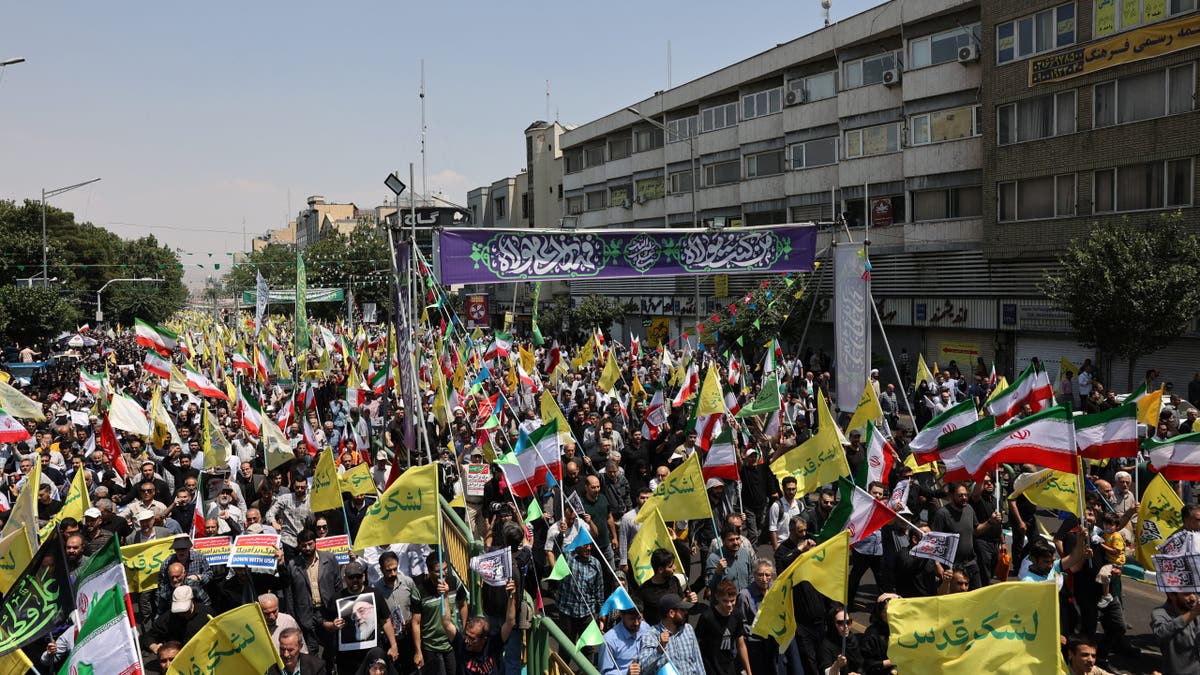
TEHRAN — Iran’s Foreign Ministry has confirmed it has responded to the most recent U.S. Peace proposal, delivered through Pakistani mediation, as tensions in the Middle East remain at a critical juncture. The development comes amid a fragile ceasefire that has lasted nearly two months, following what U.S. President Donald Trump described as “major combat operations” against Iran in late February. With Trump warning that “time is of the essence” for negotiations, Iranian officials have reiterated their stance on core issues while leaving the door open for further dialogue.
The Iranian response, delivered by Foreign Ministry spokesperson Esmaeil Baghaei during a press briefing in Tehran, underscores Tehran’s firm position on its nuclear enrichment rights under the Nuclear Non-Proliferation Treaty. “There is no need for another party to recognize this right for Iran,” Baghaei stated. “This right already exists.” The statement reflects Iran’s long-standing insistence that its nuclear program is a matter of national sovereignty and cannot be negotiated away.
Meanwhile, the U.S. Has maintained its blockade on Iranian assets and trade, a measure that Trump has framed as a precondition for any meaningful talks. The White House has not yet released details of its latest proposal, but Iranian officials have indicated that Washington’s offer failed to address key Iranian demands, including the lifting of sanctions and an end to what Tehran calls “hostile actions” against its military and infrastructure.
Key Stakeholders and Their Positions
As the diplomatic chess game intensifies, the positions of key players have grown increasingly hardened:
- United States: President Trump has framed the negotiations as an ultimatum, stating in a speech on May 17 that “the clock is ticking” for Iran. His administration has insisted on a complete cessation of Iranian military activity in the region, including support for proxy groups in Yemen, Syria, and Lebanon. The U.S. Has also demanded verifiable limits on Iran’s nuclear program, though it has not specified what those limits would entail.
- Iran: Iranian officials, including Supreme Leader Mojtaba Khamenei, have rejected what they describe as “unreasonable demands” from the U.S. Khamenei’s office released a statement on May 16 reiterating that Iran’s nuclear program is “non-negotiable” and that any agreement must include the lifting of sanctions. The statement also warned that Iran would not tolerate “foreign interference” in its internal affairs or regional policies.
- Regional Allies: Saudi Arabia and the United Arab Emirates have publicly condemned recent drone attacks attributed to Iranian-backed groups, calling for a “strong international response.” Both countries have signaled support for a U.S.-led diplomatic solution but have also warned against any outcome that leaves Iran’s regional influence intact.
- Pakistan: As the mediator in these talks, Pakistan has maintained a delicate balancing act, urging both sides to return to negotiations. Pakistani Foreign Minister Bilawal Bhutto-Zardari met with Iranian officials in Tehran on May 15, though no details of the discussions have been made public.
What Happens Next: The Diplomatic Timeline
The next critical phase in these negotiations hinges on three key factors:
- U.S. Response to Iran’s Counterproposal: The Iranian Foreign Ministry has indicated that Tehran’s response to the U.S. Proposal is now in Washington’s hands. U.S. Officials have not yet confirmed receipt of the Iranian reply, but sources close to the negotiations suggest that the White House is reviewing the offer. A decision could come as early as May 20, though diplomatic sources describe the atmosphere as “tense.”
- Ceasefire Extension: The current ceasefire, which Trump initially set to expire on May 15, has been extended indefinitely pending the outcome of negotiations. However, both sides have warned that any breakdown in talks could lead to a rapid escalation. Israeli military officials have reportedly ordered evacuations in southern Lebanon, citing concerns over potential Iranian-backed missile strikes.
- Regional Stability: The broader Middle East remains on edge. Saudi Arabia and the UAE have condemned recent drone attacks in their territories, attributing them to Iranian-backed groups. Meanwhile, Lebanon’s Hezbollah has vowed to continue its “resistance” against Israel, adding another layer of complexity to the diplomatic efforts.
Why This Matters: The Bigger Picture
The current standoff is not just about Iran’s nuclear program or regional proxy conflicts—it is a test of whether diplomacy can still function in an era of heightened military posturing. The stakes are high:
- Global Energy Markets: Iran’s oil exports, though currently restricted by sanctions, play a significant role in global energy supply chains. Any disruption could send shockwaves through markets already volatile due to geopolitical tensions.
- Nuclear Proliferation Risks: The International Atomic Energy Agency (IAEA) has repeatedly warned that Iran’s nuclear program is advancing, raising concerns about the potential for a regional arms race. The current negotiations could determine whether Iran’s program remains under international scrutiny or accelerates beyond current limits.
- Humanitarian Impact: The conflict has already taken a toll on civilians in Yemen, Syria, and Iraq, where Iranian-backed groups operate. A breakdown in talks could lead to further displacement and loss of life, exacerbating an already dire humanitarian crisis.
Expert Analysis: Can a Deal Still Be Reached?
Dr. Ali Vaez, director of the Iran Project at the International Crisis Group, told World Today Journal that the current impasse reflects deep mistrust between Tehran and Washington. “The Iranians see the U.S. Proposals as a continuation of the same pressures they’ve faced for decades, while the Americans view Iran’s demands as non-starters,” Vaez said. “The real question is whether either side is willing to make the concessions necessary to break this cycle.”
Vaez added that the role of regional allies—particularly Saudi Arabia and Israel—will be decisive. “If Riyadh and Jerusalem feel that Iran is not being held accountable for its actions in the region, they will push Washington to harden its stance. Conversely, if they see a genuine willingness to compromise, they may be more open to engaging with Tehran.”
Key Takeaways
- Iran has responded to the U.S. Peace proposal but has rejected what it calls “unconcessional” demands, particularly on nuclear enrichment rights.
- The ceasefire remains in place, though both sides have warned of rapid escalation if talks fail.
- Regional allies like Saudi Arabia and Israel are closely monitoring negotiations, with their own interests shaping the outcome.
- The next critical deadline is likely May 20, when the U.S. Is expected to respond to Iran’s counterproposal.
- Humanitarian and economic risks loom large, with potential spillover effects on global energy markets and regional stability.
What to Watch For
The following developments will be critical in the coming days:
- U.S. Response to Iran’s Counterproposal: Will Washington accept any of Iran’s demands, or will it reject them outright?
- Ceasefire Violations: Any breach of the truce could trigger a rapid military response from either side.
- Regional Reactions: How will Saudi Arabia, Israel, and other Gulf states respond to the outcome of these talks?
- IAEA Reports: The next report from the International Atomic Energy Agency on Iran’s nuclear program could influence diplomatic leverage.
How to Stay Informed
For real-time updates on this developing story, follow these official channels:
- U.S. Department of State – Official statements on U.S. Policy toward Iran.
- International Atomic Energy Agency (IAEA) – Updates on Iran’s nuclear program.
- Iranian Foreign Ministry – Official responses and statements from Tehran.
- Reuters Middle East Coverage – In-depth reporting on regional developments.
As the diplomatic clock ticks down, the world watches to see whether this moment will mark a turning point in Middle East tensions—or another chapter in a decades-long standoff.
Related reading
- Secret WWII Colossus Computer Officially Recognized as Modern Computing Foundation
- Austin FC vs Club Tijuana Prediction: Leagues Cup 2026 Betting Tips
- EPFO Wage Ceiling Could Rise to ₹25,000 Under Government Proposal (archyworldys.com)
- Henry Pollock Worth £1m-a-Year, Says Eddie Hearn Amid Northampton Contract Talks (archynewsy.com)