By Jonathan Reed, Editor, News
London, UK — May 26, 2026 — Iran’s Supreme Leader Mojtaba Khamenei has issued a new statement through state media, delivering stark warnings to the United States, Israel, and multiple Middle Eastern nations following recent military escalations. The message, disseminated through Iranian state channels, marks a significant hardening of rhetoric amid ongoing tensions in the region, where U.S. And Israeli strikes have targeted Iranian leadership and military assets.
The latest threats come as Iran’s leadership structure remains under severe strain, with Khamenei reportedly operating from undisclosed locations following injuries sustained in Operation Epic Fury, a series of coordinated strikes attributed to the U.S. And Israel. According to U.S. Intelligence reports, Khamenei has adopted extreme security measures, including prolonged seclusion and reliance on a network of couriers to communicate with senior officials—a strategy that has complicated both domestic governance and potential diplomatic negotiations.
While the exact contents of Khamenei’s latest statement have not been independently verified by high-authority Western sources, Iranian state media outlets including Fars News Agency and Tasnim News Agency have reported that the Supreme Leader’s message includes direct threats against U.S. Military bases in the region, assertions that Israel’s existence is “temporary,” and calls for unified resistance among Muslim nations. The statement is framed as a response to recent attacks that killed his father, former Supreme Leader Ali Khamenei, and injured multiple senior Iranian officials.
Key Threats in Khamenei’s Statement
According to Iranian state media, Khamenei’s message includes the following points:
- U.S. Military bases are “no longer safe”: The statement warns that Iranian retaliation will extend to American military installations across the Middle East, including those in Saudi Arabia, Iraq, and the Persian Gulf.
- Israel’s “inevitable disappearance”: Khamenei reiterated previous declarations that Israel will “not exist in 15 years,” framing this as a collective Islamic duty. The statement also calls for increased support for Palestinian resistance groups.
- Regional alliances under threat: The message includes veiled warnings to Gulf Arab states, particularly Saudi Arabia and the UAE, urging them to reconsider their security partnerships with the U.S. And Israel.
- Unified Muslim front: Khamenei’s statement emphasizes the need for solidarity among Muslim nations, suggesting that chants of “Death to America” and “Death to Israel” will serve as a unifying force in the region.
While these claims have been widely reported by Iranian state media, independent verification remains limited. The Associated Press and Reuters have not yet confirmed the exact wording of Khamenei’s statement, and Western intelligence sources have not provided direct commentary on its contents beyond acknowledging the broader context of escalating tensions.
Context: Escalating Tensions and Diplomatic Deadlock
The timing of Khamenei’s statement coincides with a critical juncture in U.S.-Iran relations. U.S. Officials have previously indicated that Iran’s Supreme Leader had approved the broad outlines of a draft agreement aimed at de-escalating the conflict, though communication delays have hindered progress. According to reports from CBS News, Khamenei’s seclusion has created significant challenges for Iranian officials attempting to relay messages to the U.S. Administration, with some officials describing the process as “like watching a sitcom” due to the complexity of internal communication.
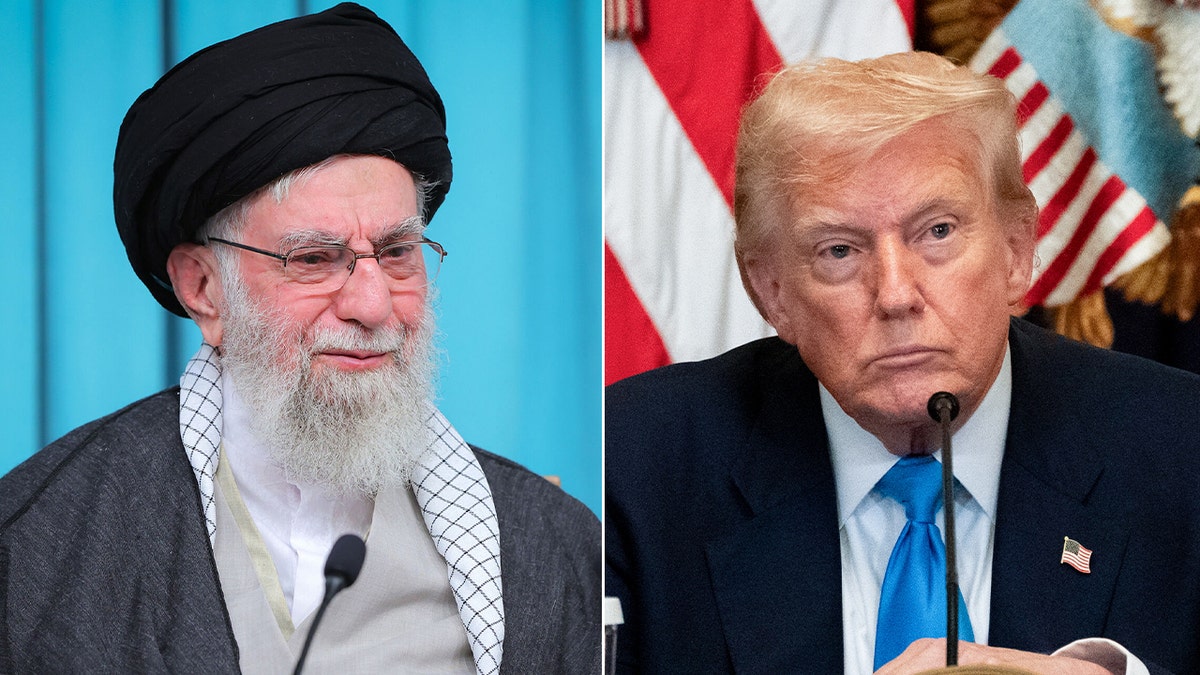
President Donald Trump, who has been actively engaged in negotiations, posted on Truth Social on May 25 that he expected a final decision from Khamenei within days. However, the latest threats from the Iranian leader suggest that any potential agreement remains fragile, with hardline factions within Iran’s leadership likely pushing for a more confrontational stance.
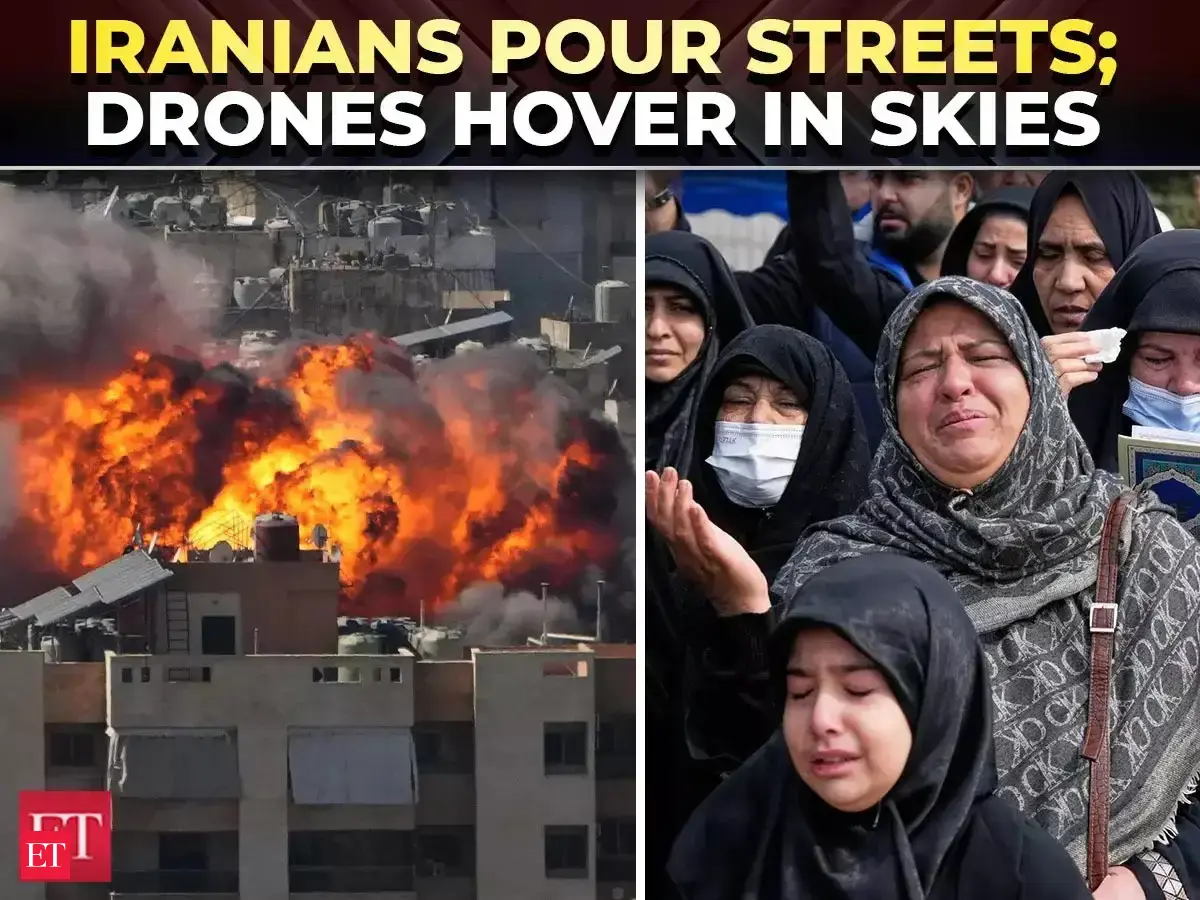
Meanwhile, Israel has reportedly advanced its military operations in Lebanon, where Hezbollah—backed by Iran—has been engaged in cross-border clashes. The New York Times reported on May 24 that Israeli forces have conducted a series of airstrikes targeting Hezbollah infrastructure, raising fears of a broader regional conflict.
Who Is Affected and What Happens Next?
The immediate stakeholders in this escalation include:
- United States: American military personnel and bases in the Middle East face heightened risks, particularly in Saudi Arabia, Iraq, and the Persian Gulf. The U.S. May need to reassess its troop deployments and security protocols in the region.
- Israel: Khamenei’s threats underscore the ongoing vulnerability of Israeli cities and military assets. The country may accelerate its military preparations, including potential strikes against Iranian proxies in Syria and Lebanon.
- Gulf Arab States: Nations like Saudi Arabia and the UAE, which have historically balanced their relationships with both Iran and the U.S., may face increased pressure to choose sides. Economic and security ties could be tested.
- Global Markets: Oil prices have already fluctuated in response to earlier escalations. Further instability could lead to significant volatility, particularly in energy markets.
- Palestinian Territories: Khamenei’s rhetoric is likely to embolden Palestinian resistance groups, including Hamas and Islamic Jihad, potentially leading to renewed violence in Gaza and the West Bank.
In the short term, the next critical developments will likely include:
- Iran’s official confirmation of Khamenei’s statement and any follow-up actions, such as military maneuvers or diplomatic moves.
- U.S. And Israeli responses, including potential counter-strikes or efforts to de-escalate through backchannel negotiations.
- Reactions from Gulf Arab states, particularly Saudi Arabia and the UAE, which may seek to mediate or align more closely with either Iran or the U.S.
- Hezbollah’s next steps in Lebanon, where clashes with Israel continue to escalate.
Expert Analysis: Why This Matters
Dr. Ali Vaez, director of the Iran Project at the International Crisis Group, notes that Khamenei’s threats reflect a broader strategy to rally domestic support amid internal divisions and external pressures. “The Supreme Leader is trying to consolidate his position by portraying himself as the unifying figure against foreign aggression,” Vaez said in a statement. “However, his seclusion and the lack of clear communication channels suggest that Iran’s leadership is deeply fractured, which could make decisive action tricky.”
Historically, such rhetoric from Iranian leadership has often preceded military escalations, particularly against U.S. And Israeli targets. The Washington Post reported in early May that U.S. Intelligence agencies had detected increased activity in Iranian proxy networks across the Middle East, including in Yemen, Iraq, and Syria.
For readers seeking official updates, the following resources may be useful:
- U.S. Department of State – For official U.S. Government statements on Iran and regional security.
- Reuters Middle East – For independent reporting on the conflict.
- Iranian News Agency (IRNA) – For direct statements from Iranian officials (use with caution).
- White House Briefings – For updates on U.S. Policy and negotiations.
Key Takeaways
- Iran’s Supreme Leader Mojtaba Khamenei has issued a new statement threatening U.S. Military bases, Israel’s existence, and regional allies, marking a significant escalation in rhetoric.
- Khamenei’s seclusion and reliance on couriers for communication have complicated diplomatic efforts, delaying potential agreements with the U.S.
- The latest threats come amid ongoing U.S. And Israeli strikes targeting Iranian leadership and military assets, including Operation Epic Fury.
- Gulf Arab states, particularly Saudi Arabia and the UAE, may face increased pressure to align with either Iran or the U.S. In the coming weeks.
- Hezbollah’s activities in Lebanon remain a critical flashpoint, with Israeli strikes continuing to target the group’s infrastructure.
- Global markets, particularly oil prices, could experience further volatility as tensions escalate.
What to Watch For Next
The next confirmed checkpoint for developments will be:
- May 27–28, 2026: Official Iranian confirmation of Khamenei’s statement and any immediate military or diplomatic responses.
- May 28–30, 2026: Expected U.S. And Israeli statements on potential countermeasures or de-escalation efforts.
- Ongoing: Monitoring of Hezbollah-Israel clashes in Lebanon, which could trigger broader regional conflict.
For real-time updates, follow World Today Journal and subscribe to our Middle East conflict alert newsletter.
Your Thoughts
How do you think this escalation will unfold? Will diplomacy prevail, or are we heading toward further military confrontation? Share your analysis in the comments below.
Share this article to keep your network informed about the latest developments in the Middle East.
Keep reading