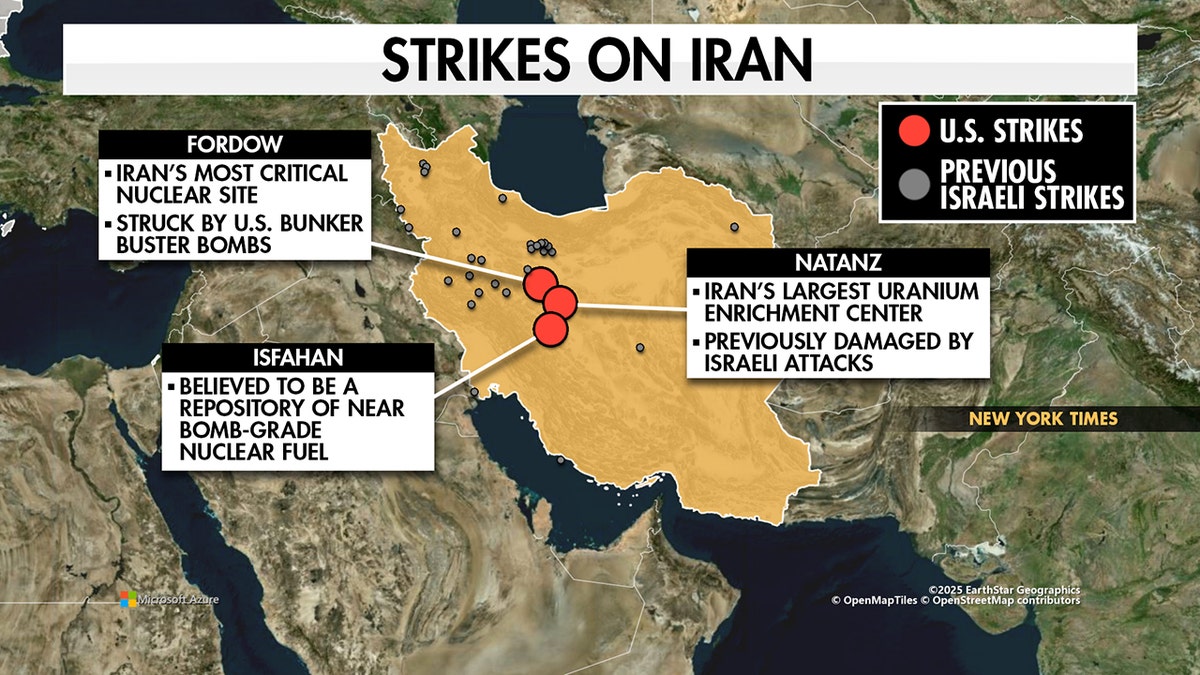
Tehran has adopted a firm stance in ongoing negotiations with the United States and Israel, a position shaped significantly by recent military actions taken by those two countries against Iran. This hardening of Iran’s position comes amid heightened tensions following joint US-Israeli strikes on Iranian territory, which Tehran has characterized as provocations that undermine diplomatic efforts.
The current diplomatic impasse reflects a broader pattern where military escalation has directly influenced Iran’s negotiating posture. According to verified reporting, Iran’s leadership has linked its refusal to make concessions on nuclear and missile programs to the recent attacks, arguing that demonstrating strength is necessary to deter further aggression.
This dynamic emerged prominently after February 2026, when the United States and Israel launched coordinated strikes on multiple Iranian cities, including Tehran. US President Donald Trump described the operation as “major combat operations,” targeting what he characterized as Iran’s nuclear and ballistic missile infrastructure. The strikes prompted an immediate Iranian retaliation, with missiles fired toward northern Israel and US military bases in the region.
Iran’s official response framed the attacks as unjustified aggression, with state media reporting explosions in Tehran and quoting officials who condemned the strikes as violations of sovereignty. The Iranian government subsequently asserted that any negotiations must occur from a position of strength, citing the need to prevent future attacks through deterrence.
Military Actions Shape Diplomatic Landscape
The sequence of events beginning in late February 2026 has fundamentally altered the context for US-Iran-Israel interactions. Prior to the strikes, indirect negotiations had been underway regarding Iran’s nuclear program and regional activities, though progress had been limited by mutual distrust.
Following the attacks, Iranian officials publicly stated that the military operations had eliminated any remaining incentive for compromise on core security issues. This position was reinforced by hardline factions within Iran’s political system, which gained influence in the aftermath of the strikes by arguing that diplomacy had failed to prevent aggression.
Regional analysts note that the February 2026 exchanges represent a significant escalation beyond previous periods of tension, including the 2024 Iran-Israel conflict that saw six months of intermittent hostilities before concluding in October of that year. Unlike the 2024 episode, which involved primarily proxy engagements and limited direct strikes, the 2026 actions featured explicit joint US-Israeli targeting of Iranian territory and a direct Iranian missile response.
Negotiating Positions Harden
In the wake of the military exchanges, Iran has articulated a negotiating stance that emphasizes self-reliance in defense capabilities and rejects external pressure to limit its nuclear or missile programs. Official statements have consistently linked this position to the perceived need to deter future attacks, arguing that concessions would be interpreted as weakness.

The United States and Israel, meanwhile, have maintained that their military actions were necessary responses to what they describe as Iran’s advancing nuclear capabilities and regional threats. Washington has framed the strikes as part of a broader strategy to prevent Iran from achieving nuclear weapons capability, while emphasizing that diplomatic channels remain open.
This creates a paradoxical situation where the very military actions intended to pressure Iran into concessions have instead strengthened Iranian resolve to maintain its current policies. Diplomatic observers note that this dynamic mirrors historical patterns in which external pressure has often led targeted nations to entrench their positions rather than yield.
Regional Implications and Future Outlook
The current standoff carries significant implications for regional stability, particularly given the involvement of multiple actors with competing interests. Neighboring states have expressed concern about the potential for further escalation, while international organizations have called for restraint and a return to diplomatic dialogue.

Practical consequences of the impasse include continued sanctions pressure on Iran, ongoing military posturing by all parties, and uncertainty about the future of non-proliferation efforts in the Middle East. The situation similarly affects global energy markets, given Iran’s role as a major oil producer and the strategic importance of the Persian Gulf.
As of April 2026, no high-level negotiations between the United States and Iran are publicly scheduled, though backchannel communications may continue through intermediaries. Any future diplomatic engagement would likely need to address the fundamental disagreement over Iran’s right to maintain certain defense capabilities versus international concerns about nuclear proliferation.
The evolution of this situation will depend on whether either side perceives a viable path to de-escalation that does not require concessions viewed as unacceptable by their domestic constituencies. For now, the firm Iranian position stands as a direct response to the military actions taken by the United States and Israel, illustrating how conflict can shape diplomatic realities in ways that may counteract the original intent of such actions.
Readers seeking updates on this developing situation are encouraged to follow official statements from the United Nations, the International Atomic Energy Agency, and the foreign ministries of the involved countries. Sharing informed perspectives helps contribute to a broader understanding of complex international dynamics.