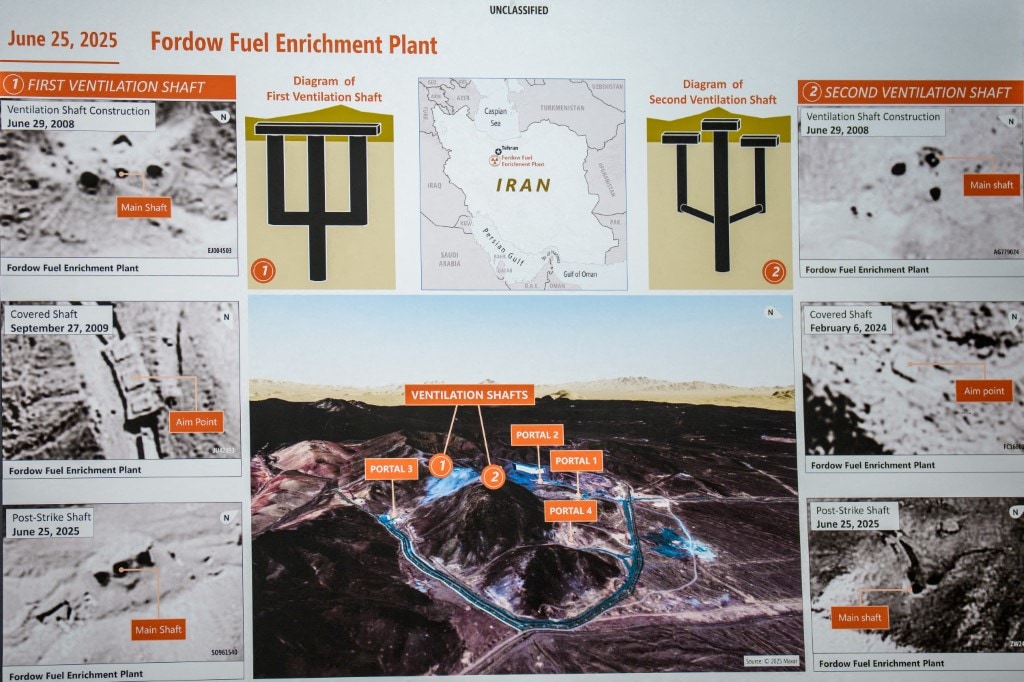
The Iranian government has reportedly signaled a willingness to dilute a portion of its enriched uranium stockpiles, according to recent international reporting, though the move remains subject to intense diplomatic scrutiny and verification. This development follows ongoing tensions in the Middle East and renewed discussions regarding the potential for renewed oversight by the International Atomic Energy Agency (IAEA). As of late November 2024, no formal agreement has been signed, and international observers are assessing whether this proposal represents a genuine shift in Tehran’s nuclear policy or a tactical maneuver in broader regional negotiations.
The core of the matter concerns the status of Iran’s nuclear program, specifically the levels of uranium enrichment achieved at facilities such as Natanz and Fordow. According to the International Atomic Energy Agency, Iran has continued to increase its stockpile of 60% enriched uranium, a level of purity that is technically close to weapons-grade. The potential dilution of these stocks would involve reverting the material to a lower enrichment level, a process that historically serves as a confidence-building measure in non-proliferation talks.
Diplomatic Context and International Oversight
The proposal arrives amid a complex backdrop of shifting geopolitical alliances. Reports suggesting that the U.S. administration might accept continued uranium enrichment under strict United Nations oversight have circulated in various media outlets, though the White House has not issued a formal policy change confirming these specific parameters. The U.S. Department of State maintains that its goal remains a diplomatic solution that prevents Iran from acquiring a nuclear weapon, emphasizing that all options remain on the table to ensure regional stability.
For the international community, the primary concern is the transparency of the enrichment process. The IAEA, led by Director General Rafael Grossi, has repeatedly called for expanded access to Iranian facilities to verify that nuclear activities remain exclusively peaceful. Any agreement to dilute stockpiles would likely require the presence of IAEA inspectors to verify the process in real-time, ensuring that the material is not diverted for unauthorized purposes.
Verifying Claims in a Volatile Information Environment
The reporting surrounding these potential negotiations has been marked by conflicting claims. While some outlets have suggested that a concrete deal is imminent, involving the exchange of enriched material for the release of frozen financial assets, these reports have faced pushback from official channels. A spokesperson for the Iranian mission to the United Nations has not confirmed the existence of a new, finalized proposal to the United States, and regional sources have cautioned against interpreting preliminary discussions as settled agreements.

This discrepancy highlights the difficulty of tracking nuclear diplomacy in real-time. In the absence of a signed document or a formal announcement from the White House or the Iranian Foreign Ministry, analysts suggest that information should be treated as speculative. The volatility of the current Middle East security situation further complicates the verification process, as both state and non-state actors often utilize information leaks to influence public perception or pressure rival negotiators.
The Technical Significance of Uranium Dilution
To understand the significance of this development, it is necessary to distinguish between enrichment levels. While 3.67% enrichment is sufficient for civilian nuclear power, 60% enrichment is significantly higher and requires only a short technical step to reach the 90% purity required for a nuclear device. Diluting these stocks effectively resets the “breakout time”—the estimated period required for a nation to produce enough fissile material for a weapon—thereby providing diplomats with a larger window for negotiations.
The Arms Control Association notes that historical precedents for such actions, such as the 2013 Joint Plan of Action, relied heavily on the technical verification of the IAEA to ensure compliance. Any future arrangement would likely follow a similar model, requiring Iran to prove that its stockpiles have been neutralized or moved under international seal.
What Happens Next
The immediate focus for international observers is the upcoming meeting of the IAEA Board of Governors. During such sessions, member states typically review the latest technical reports on Iran’s nuclear activities and debate the necessity of further resolutions. These meetings serve as a key checkpoint for assessing whether the proposed dilution is a serious diplomatic offer or if Iran will continue its current trajectory of expansion.
Readers seeking the most accurate information should monitor the official statements released by the IAEA and the foreign ministries of the E3 countries (France, Germany, and the United Kingdom), which have historically taken the lead in European-led diplomatic efforts. As the situation remains fluid, official press releases provide the only verified record of progress in these sensitive international negotiations.
We invite our readers to share their perspectives on these developments in the comments section below. As this story continues to unfold, we will provide updates based on verified institutional statements and official reports.
- Venezuela Repatriates 147 Citizens Amid Outcry Over Earthquake Deportee Deaths
- Cargo Ship Struck by Missile Near Strait of Hormuz Amid Rising Regional Tensions
- EPFO Wage Ceiling Could Rise to ₹25,000 Under Government Proposal (archyworldys.com)
- Sony Pictures Updates Box Office Projections for Christopher Nolan Film (newsdirectory3.com)