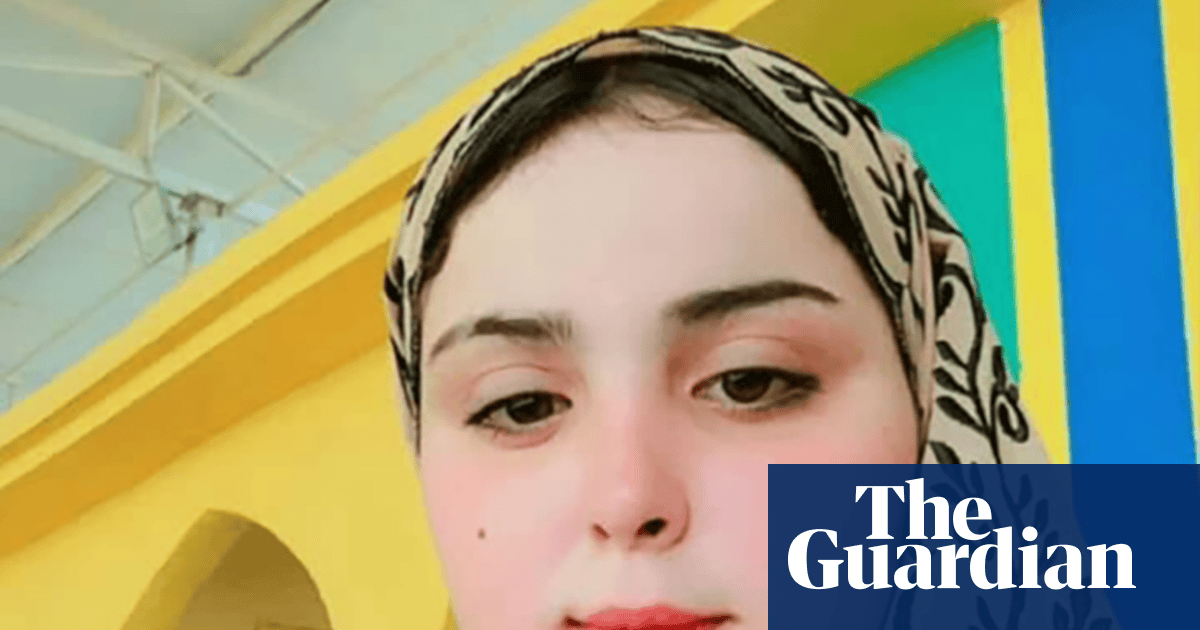
The outskirts of Baghdad are often characterized by the quiet tension of a region striving for stability, but in the al-Nahrawan district, a recent and harrowing account has pierced through the local silence. A 15-year-old girl, identified in recent reports as Kawthar Bashar al-Husayjawi, was reportedly killed by members of her own tribe following her refusal to enter a forced marriage. The incident, which has sent shockwaves through human rights circles, highlights a devastating intersection of tribal custom, legal loopholes, and the systemic vulnerability of young women in Iraq.
Eyewitness accounts of the event describe a scene of profound brutality and a chilling lack of remorse. It is reported that the teenager was killed by her extended family and subsequently buried in a shallow grave. Perhaps most disturbing to international observers was the report that members of the family and the local community gathered to celebrate the death in the streets, viewing the act as a restoration of tribal honor. While such extreme violence is often shrouded in the complexities of local jurisprudence, the case serves as a grim catalyst for a much larger, more urgent conversation regarding the safety of minors in Iraq.
This tragedy is not an isolated anomaly but rather a symptom of a deeply entrenched social and legal framework that often fails to protect the most vulnerable. As the international community watches, the death of a child in al-Nahrawan brings the reality of child marriage in Iraq into sharp, painful focus, forcing a confrontation between modern human rights standards and the enduring power of tribal law.
The Legal Architecture: Iraq’s Personal Status Law
To understand why such incidents occur, one must look toward the legislative foundations of the country. Central to this issue is the Iraqi Personal Status Law, originally enacted in 1959. While the law was intended to modernize family matters, it contains specific provisions that have become significant points of contention for human rights advocates.
Under current legal frameworks, while the standard age of marriage is 18, judicial exceptions allow for the marriage of minors. These exceptions are often granted based on the discretion of local judges, who may consider the “suitability” of the match or the perceived protection of the minor’s reputation. This judicial leeway creates a pathway where child marriage can be formalized and given a veneer of legality, even when it contradicts international protections for children.
Human rights organizations have long argued that these loopholes effectively bypass the protections intended by the United Nations Convention on the Rights of the Child, to which Iraq is a signatory. By allowing courts to authorize marriages for those well below the age of consent, the state inadvertently undermines its own commitment to safeguarding minors from exploitation and premature domestic responsibilities.
The Shadow of Tribal Law and “Honor”
In many parts of Iraq, particularly in districts like al-Nahrawan, the authority of the state is often shadowed by the pervasive influence of tribal customs. Tribal law operates on a different set of values than the national civil code, often prioritizing the collective reputation and “honor” of the kinship group over the individual rights of its members.
In the context of gender-based violence, “honor” is frequently weaponized against women and girls. When a young woman resists a marriage arrangement—especially one intended to consolidate tribal ties or settle debts—it is often perceived not as an exercise of individual agency, but as a direct affront to the family’s standing. This perception can transform a domestic dispute into a matter of life and death.
The reported celebrations following the death of the 15-year-old in al-Nahrawan underscore the severity of this cultural disconnect. For the perpetrators, the violence is not seen as a crime, but as a necessary social correction. This creates a profound challenge for law enforcement; when the community itself views a killing as a justified act of honor, the likelihood of successful prosecution and state intervention remains tragically low.
A Growing Crisis: The Human Toll and Global Standards
The statistics surrounding forced and early marriage in the region paint a picture of a systemic crisis. While exact figures can fluctuate due to the difficulty of tracking domestic incidents in rural or tribal-dominated areas, international bodies have consistently raised the alarm.
- Vulnerability of Minors: Girls who are married early are frequently pulled out of the education system, as seen in the case of the teenager from al-Nahrawan, which limits their long-term economic and social autonomy.
- Health Risks: Early pregnancy and childbirth remain significant health risks for adolescent girls, contributing to higher maternal mortality rates in underserved areas.
- Cycle of Poverty: Forced marriage is often linked to economic desperation, where girls are viewed as assets to be traded or utilized to alleviate family financial burdens.
International human rights standards, including those championed by the United Nations, maintain that any marriage involving a child is a violation of fundamental rights. The discrepancy between these global norms and the lived reality in various Iraqi provinces highlights a widening gap in the protection of girls. Activists continue to call for a complete overhaul of the Personal Status Law to eliminate judicial exceptions and establish 18 as a strict, non-negotiable minimum age for marriage.
Socio-Economic Drivers of Forced Marriage
Beyond the legal and cultural factors, economic instability plays a critical role in the prevalence of forced marriage. In many communities, the cost of raising a daughter is viewed as a burden, whereas a marriage can provide a dowry or shift the financial responsibility to another household. This economic pressure often overrides the individual wishes of the girl and even the moral objections of some family members.
the aftermath of years of conflict in Iraq has disrupted social structures and increased the number of female-headed households or families living in extreme poverty. In these environments, the traditional “protection” offered by marriage—however coercive it may be—is often presented as a survival strategy. This creates a complex landscape where human rights advocacy must also address the underlying needs for economic security and educational access to be truly effective.
Key Takeaways: The Conflict of Rights in Iraq
- Legal Loopholes: The 1959 Personal Status Law allows for judicial exceptions to the marriage age, facilitating child marriage.
- Tribal Supremacy: In many districts, tribal honor codes can supersede national laws, leading to extreme violence against women who resist traditional roles.
- Systemic Impact: Forced marriage contributes to higher dropout rates in schools and increased health risks for adolescent girls.
- Human Rights Gap: There is a significant tension between Iraq’s international treaty obligations and its domestic application of family law.
The tragedy in al-Nahrawan is a stark reminder that for many Iraqi girls, the law is a distant concept that offers little protection against the immediate realities of tribal and familial pressure. As calls for legislative reform grow, the focus remains on whether the Iraqi state can successfully assert its authority and its duty to protect its youngest citizens from the weight of tradition.
Next Steps: Human rights monitors and legal reform advocates are expected to continue monitoring the local judicial response to recent reports of tribal violence in the Baghdad governorate. Further updates on potential legislative amendments to the Personal Status Law are anticipated in upcoming parliamentary sessions.
What are your thoughts on the balance between tribal customs and national law? Share this article and join the conversation in the comments below.
Keep reading