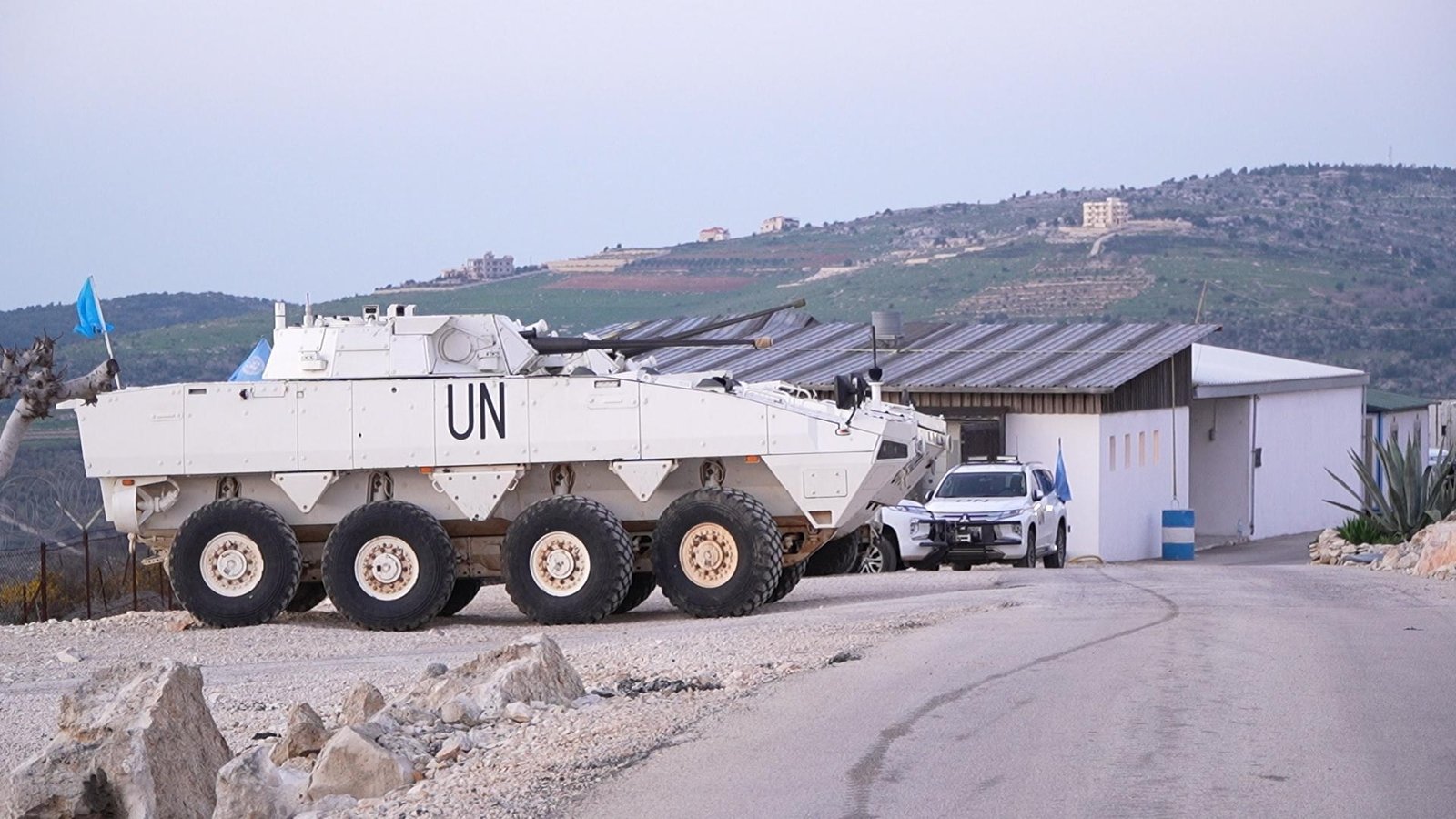
Irish Peacekeepers Assist After Strike on Ghanaian UN Post in Lebanon
The fragile peace in southern Lebanon was shattered Friday as a strike targeted a Ghanaian United Nations peacekeeping post, prompting a swift response from Irish peacekeepers stationed nearby. The incident, occurring in the town of Al-Qaouzah, approximately 4 kilometers from Camp Shamrock – the base of the Irish 127th Infantry Battalion – underscores the escalating tensions in the region and the inherent risks faced by international forces operating within it. Irish Defence Forces personnel provided crucial casualty evacuation and fire fighting assistance in the wake of the attack, confirming all Irish personnel are safe and accounted for. The incident highlights the ongoing volatility along the Israel-Lebanon border and the critical role UNIFIL plays in maintaining a precarious stability.
The attack, which occurred amidst heavy firing, resulted in injuries to three peacekeepers from Ghana. According to a statement released by the United Nations Interim Force in Lebanon (UNIFIL), the most severely injured peacekeeper has been transferred to a hospital in Beirut for treatment, although the other two are receiving medical attention at a UNIFIL facility. A fire that erupted at the base following the strike has since been extinguished. The incident immediately drew condemnation from international leaders, including Taoiseach Micheál Martin, who described the strike as “reckless” and emphasized the sacrosanct nature of the role of peacekeepers. The deteriorating security situation raises concerns about the potential for wider conflict and the safety of all personnel operating in the area.
Immediate Response and Irish Support
The Irish Defence Forces responded rapidly to the crisis, deploying personnel from the 127th Infantry Battalion to provide essential support to their Ghanaian counterparts. “Irish Defence Forces personnel of the 127th Infantry Battalion have responded and are providing both Casualty Evacuation (CASEVAC) and Fire Fighting assistance,” the Defence Forces stated. This swift action demonstrates the commitment of the Irish contingent to the UNIFIL mission and their dedication to assisting fellow peacekeepers in times of demand. The proximity of Camp Shamrock to the affected area – just 4km – allowed for a quick and effective response, potentially mitigating the severity of the situation. The Irish contingent’s ability to provide both medical evacuation and fire suppression capabilities proved invaluable in the immediate aftermath of the attack.
Taoiseach Micheál Martin praised the courage, resilience, and professionalism of the Irish peacekeepers involved in the response. In a post on X (formerly Twitter), Martin strongly condemned the strike, stating, “I strongly condemn the reckless strike on a UNIFIL base in southern Lebanon that has left a number of Ghanaian peacekeepers seriously injured.”
I strongly condemn the reckless strike on a UNIFIL base in southern Lebanon that has left a number of Ghanaian peacekeepers seriously injured. pic.twitter.com/Kmid2oRhFE
— Micheál Martin (@MichealMartinTD) March 6, 2026
He reiterated the importance of protecting peacekeepers and ensuring their safety, emphasizing that their role is “sacrosanct.” Minister for Foreign Affairs Helen McEntee echoed these sentiments, describing the security situation in Lebanon as “extremely worrying” and acknowledging the potential setback to years of progress in the country.
Escalating Tensions and Regional Context
The attack on the Ghanaian UNIFIL post occurs against a backdrop of increasing tensions between Israel and Hezbollah, the Iran-backed militant group operating in southern Lebanon. McEntee condemned Hezbollah’s attacks on Israel, characterizing them as being “in support of its Iranian sponsor” and “menacing civilian communities in northern Israel.” UNIFIL has been acting as a buffer between Israel and Lebanon for decades, and has been assisting the Lebanese army in dismantling Hezbollah infrastructure near the Israeli border since the 2024 conflict. The recent escalation raises concerns about a potential wider conflict and the impact on regional stability. The Lebanese President Joseph Aoun condemned “Israeli attacks on Lebanon,” stating they had “even reached the point of a direct assault on UNIFIL.”
The incident also comes as UNIFIL prepares for a planned withdrawal from Lebanon by mid-2027. Established in 1978, UNIFIL’s mandate has been repeatedly extended, but its future remains uncertain amidst the evolving geopolitical landscape. The withdrawal plan, coupled with the recent attack, raises questions about the long-term viability of the peacekeeping mission and the potential for a security vacuum in southern Lebanon. The ongoing instability underscores the complex challenges facing UNIFIL and the need for a comprehensive strategy to address the root causes of conflict in the region. The current situation highlights the delicate balance between maintaining peace and ensuring the safety of peacekeeping forces.
Impact on UNIFIL and Future Operations
The attack on the Ghanaian battalion headquarters, which involved two missile strikes according to the Ghanaian military, has prompted a reassessment of security protocols and force protection measures within UNIFIL. While all Irish personnel remain safe, the incident serves as a stark reminder of the dangers inherent in peacekeeping operations. The UNIFIL statement emphasized that any attack on peacekeepers constitutes a grave violation of international humanitarian law and of Security Council Resolution 1701, and may amount to a war crime. This underscores the legal and moral obligations of all parties to respect the safety and security of UN personnel.
The incident is likely to fuel calls for increased international pressure on all actors in the region to de-escalate tensions and uphold their commitments to the ceasefire agreement. The deteriorating security situation also raises concerns about the humanitarian impact on the civilian population in southern Lebanon, with at least 30,000 people already displaced. The international community must work together to provide humanitarian assistance and support efforts to rebuild and stabilize the region. The long-term success of UNIFIL’s mission depends on the cooperation of all parties and a commitment to peaceful resolution of the conflict. The ongoing instability poses a significant threat to regional security and requires a concerted international response.
Key Takeaways
- A strike on a Ghanaian UNIFIL post in Al-Qaouzah, Lebanon, injured three peacekeepers and prompted a response from Irish forces.
- Irish peacekeepers provided crucial casualty evacuation and fire fighting assistance, with all Irish personnel confirmed safe.
- The attack underscores escalating tensions between Israel and Hezbollah and raises concerns about the future of the UNIFIL mission.
- International leaders have condemned the strike, emphasizing the importance of protecting peacekeepers and upholding international law.
The United Nations is expected to release a full investigation report on the incident in the coming weeks. Further updates on the situation in southern Lebanon and the response from UNIFIL will be closely monitored. We encourage readers to share their thoughts and perspectives on this critical issue in the comments below.
Worth a look
- Paramount-Warner Antitrust Trial: California Attorney General Seeks April Start Date
- Swedish Retail Investors: Top Stocks and Funds Bought and Sold in July
- Pierce O’Leary Starts Defining Month for Irish Boxing Ahead of Legend’s Farewell (archynewsy.com)
- Trump Orders New Strike on Iran as Conflict Enters Sixth Month (world-today-news.com)