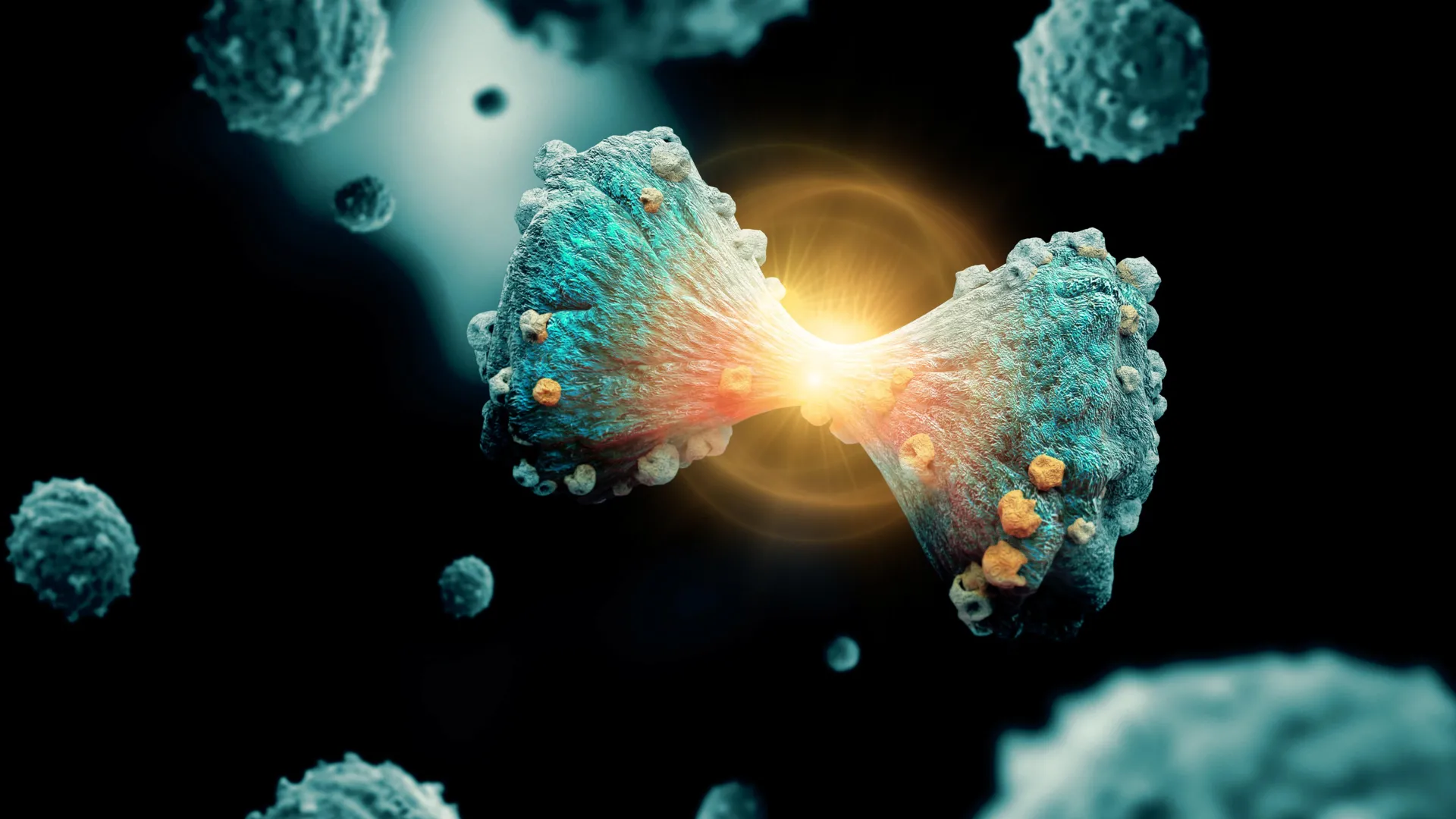
Blocking a Cancer Cell’s Ironclad Defense: A New Approach to Treating Multiple Myeloma
Multiple myeloma (MM), a cancer of plasma cells, represents a notable challenge in oncology. Affecting nearly 10% of all blood cancer diagnoses, this disease is characterized by the uncontrolled proliferation of malignant cells within the bone marrow. These cancerous cells displace healthy blood-forming cells, leading to a surge in abnormal antibodies, a weakened immune system, kidney damage, painful bone disease, and, increasingly, treatment resistance and relapse. While targeted therapies exist, the rising incidence of these setbacks demands innovative strategies. Recent research, spearheaded by a team at Duke University, offers a promising new avenue: disrupting a cancer cell’s ability to thrive on iron.
Understanding the Iron Paradox in Multiple Myeloma
For years,scientists have observed a curious phenomenon in multiple myeloma cells: they accumulate abnormally high levels of iron. Normally, such iron overload would trigger ferroptosis, a form of regulated cell death driven by oxidative damage to cell membranes. Though, myeloma cells evade this fate. They don’t simply tolerate the iron; they adapt to it, effectively turning a potential weakness into a survival mechanism. This resistance to ferroptosis has been a key, yet poorly understood, component of the disease’s progression and treatment failure.
“Cancer cells are remarkably resilient,” explains Mikhail Nikiforov, professor of pathology and biomedical engineering at Duke.”They should be succumbing to the toxic effects of iron accumulation, but instead, they’ve found a way to not only survive but flourish. Unlocking the ‘how’ behind this suppression was crucial.”
STK17B: The Key to Myeloma’s iron Independence
The Duke team’s breakthrough identified a critical enzyme,STK17B,as the central regulator of this iron-fueled survival. Traditionally known for its role in cell death and T-cell activation, the researchers discovered that STK17B also meticulously manages iron levels within myeloma cells. It does this by balancing the activity of proteins that promote and inhibit ferroptosis. Essentially, STK17B acts as a gatekeeper, preventing the cell from self-destructing despite the overwhelming iron burden.
Importantly, the study revealed a strong correlation between elevated STK17B levels and poorer outcomes for MM patients. High STK17B expression was particularly pronounced in cases of relapsed disease,solidifying its role in therapy resistance. This finding positions STK17B as a compelling therapeutic target.
Reactivating Ferroptosis: A Novel Therapeutic Strategy
To test this hypothesis, the researchers collaborated with Timothy Willson at the UNC Eshelman School of Pharmacy, who provided a specifically designed compound to inhibit STK17B. The results where striking. By blocking STK17B’s control, the compound effectively reactivated ferroptosis, forcing the myeloma cells to succumb to the toxic effects of iron overload.Moreover, inhibiting STK17B substantially enhanced the effectiveness of conventional multiple myeloma therapies.
Promising Results in Preclinical Models
The team then validated these findings in mouse models of multiple myeloma. Administering an oral version of the STK17B inhibitor induced ferroptosis, increased iron uptake by cancer cells, and dramatically reduced tumor growth. These preclinical results provide strong evidence that targeting STK17B represents a viable and potentially transformative therapeutic strategy.
“Our findings demonstrate that STK17B is a critical protector of myeloma cells, shielding them from the consequences of their iron dependence,” Nikiforov states. “Inhibiting this kinase offers a powerful new approach to combatting this challenging cancer.”
Looking Ahead: From Bench to Bedside
The duke team has filed a provisional patent based on their finding, with the ultimate goal of developing a commercially available therapy. Beyond optimizing the formulation of the inhibitor, they are also exploring its potential submission in other cancers known to exhibit ferroptosis resistance.
“Many other cancer types also employ this same defense mechanism,” Nikiforov notes. “We’re eager to investigate whether this inhibitor can improve treatment outcomes across a broader spectrum of tumors.”
This research, supported by grants from the National Institutes of Health, the National Cancer Institute, and several philanthropic foundations, represents a significant step forward in the fight against multiple myeloma. By targeting a essential vulnerability in cancer cell survival, this innovative approach offers renewed hope for patients facing this debilitating disease.
sources & Funding Acknowledgements:
This research was supported by the National Institutes of Health, the National Cancer Institute grants NCI R01CA264984 (M.
Worth a look