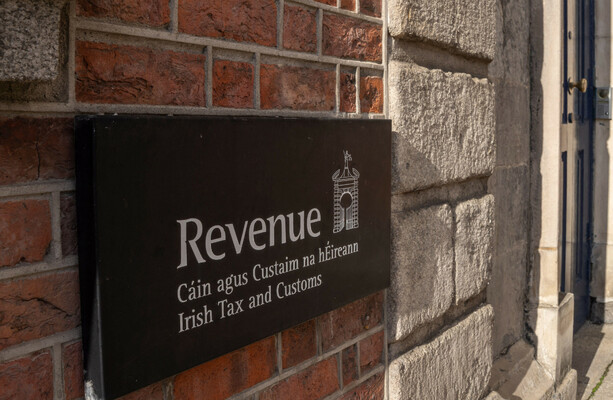
In an era defined by increasingly sophisticated cyber warfare, the most significant threat to national financial security may not be a failure of high-level encryption, but a fundamental breakdown in individual digital hygiene. Recent internal warnings issued to staff within a major revenue agency have highlighted a critical vulnerability: the widespread practice of reusing professional credentials for personal online accounts.
The advisory, which underscores the growing danger of “credential stuffing” attacks, serves as a stark reminder that the human element remains the most unpredictable variable in the cybersecurity equation. As government agencies move to digitize more of their services, the stakes for protecting taxpayer data have never been higher, making the separation of professional and personal digital identities a matter of national economic interest.
The warning to employees comes at a time when cybersecurity experts are sounding the alarm on the systemic risks posed by password reuse. When a staff member uses the same password for a government portal as they do for a retail site, a social media platform, or a personal email account, they inadvertently create a bridge for hackers to cross from the public web into the heart of sensitive state infrastructure.
The Mechanics of the Threat: How Password Reuse Leads to Breaches
At the center of this security concern is a specific type of cyberattack known as credential stuffing. This method relies on the fact that many individuals utilize the same combinations of usernames and passwords across multiple platforms. When a minor website—such as a niche online forum or a small e-commerce retailer—suffers a data breach, the stolen credentials are often sold in bulk on dark web marketplaces.
Cybercriminals then use automated bots to “stuff” these stolen credentials into the login pages of high-value targets, including government revenue services, banking institutions, and healthcare providers. Because these bots can attempt thousands of combinations per minute, even a small number of compromised employee credentials can provide a foothold into a much larger, more sensitive network.
This phenomenon creates a domino effect. A single breach at a low-security personal site can lead to the compromise of a high-security government account, potentially exposing the Personally Identifiable Information (PII) of millions of citizens. This data, which often includes tax identification numbers, residential addresses, and financial histories, is a primary target for identity thieves and state-sponsored actors alike.
Why Revenue Data is the “Holy Grail” for Cybercriminals
For attackers, a revenue agency represents a goldmine of actionable intelligence. Unlike a credit card number, which can be cancelled and replaced, the core components of a person’s tax identity are relatively static and far more difficult to rectify once compromised. This information is essential for high-level fraud, including:
- Tax Refund Fraud: Using stolen identities to intercept government payments.
- Identity Theft: Opening fraudulent credit lines or bank accounts in a citizen’s name.
- Extortion and Blackmail: Leveraging sensitive financial data to target individuals.
- Synthetic Identity Fraud: Combining real and fake information to create entirely new, fraudulent personas for long-term financial crime.
The economic impact of such breaches extends beyond the immediate loss of funds. For the state, it necessitates massive expenditures on forensic investigations, legal settlements, and the overhaul of security infrastructures. For the individual, the process of reclaiming a stolen identity can take years of administrative and legal effort, often resulting in significant financial and psychological distress.
The Institutional Challenge: Managing a Global Workforce
For large-scale organizations like revenue services, enforcing strict cybersecurity protocols across a diverse and often decentralized workforce is a monumental task. The challenge is not merely technical, but cultural. Employees often view password management as a personal inconvenience rather than a core component of their professional responsibility.
Security experts argue that the shift from traditional perimeter-based security to a Zero Trust Architecture is essential. In a Zero Trust model, the system assumes that threats may already exist within the network. No user or device is trusted by default, even if they are already logged into the internal network. Every access request must be continuously verified through multiple layers of authentication.
This approach mitigates the damage of a single compromised password. If an attacker gains access to a staff member’s credentials, the Zero Trust framework requires them to pass further checks—such as biometric verification or hardware-based security keys—before they can access sensitive databases or move laterally through the system.
Comparing Modern Security Defenses
To understand why agencies are moving away from simple passwords, it is helpful to compare the effectiveness of various authentication methods currently available to both employees and the general public.
| Method | Security Level | Primary Vulnerability |
|---|---|---|
| Standard Password | Low | Credential stuffing, brute force, and social engineering. |
| SMS-Based MFA | Moderate | SIM swapping and interception of text messages. |
| App-Based MFA (TOTP) | High | Device compromise or sophisticated phishing. |
| Hardware Security Keys | Very High | Physical theft of the hardware key. |
Mitigating the Risk: Best Practices for Employees and Citizens
While agencies work to harden their internal systems, both employees and the general public must take proactive steps to secure their digital footprints. The goal is to reduce the “attack surface” available to hackers by ensuring that a single point of failure does not lead to a total compromise.
For Government and Corporate Employees
Staff members working with sensitive data should adopt a “separate and secure” mindset. This includes using dedicated enterprise-grade password managers to generate and store unique, complex passwords for every single professional application. The use of Multi-Factor Authentication (MFA) should be non-negotiable. Moving away from SMS-based codes toward authenticator apps or physical security tokens significantly reduces the risk of interception.
For the General Public
Taxpayers can protect themselves by practicing rigorous digital hygiene. This includes:
- Using a Password Manager: Avoid memorizing passwords; instead, use a reputable manager to ensure every account has a unique, high-entropy password.
- Enabling MFA Everywhere: Even for non-financial accounts, MFA provides a critical second layer of defense.
- Monitoring Credit Reports: Regularly checking for unauthorized activity can help detect identity theft in its early stages.
- Being Wary of Phishing: Never click on links in unsolicited emails or texts claiming to be from a tax authority. Always navigate directly to the official agency website.
As the digital landscape evolves, the methods used by cybercriminals will undoubtedly become more sophisticated. However, the fundamental principle of security remains the same: complexity is the enemy of security, and simplicity in hygiene is the greatest defense. By treating digital credentials with the same level of care as physical keys to a vault, both institutions and individuals can build a more resilient defense against the growing tide of cybercrime.
The next scheduled update regarding agency-wide security protocols and audit results is expected in the next fiscal quarter.
What are your thoughts on the balance between institutional security and employee privacy? Share this article and join the conversation in the comments below.
Worth a look