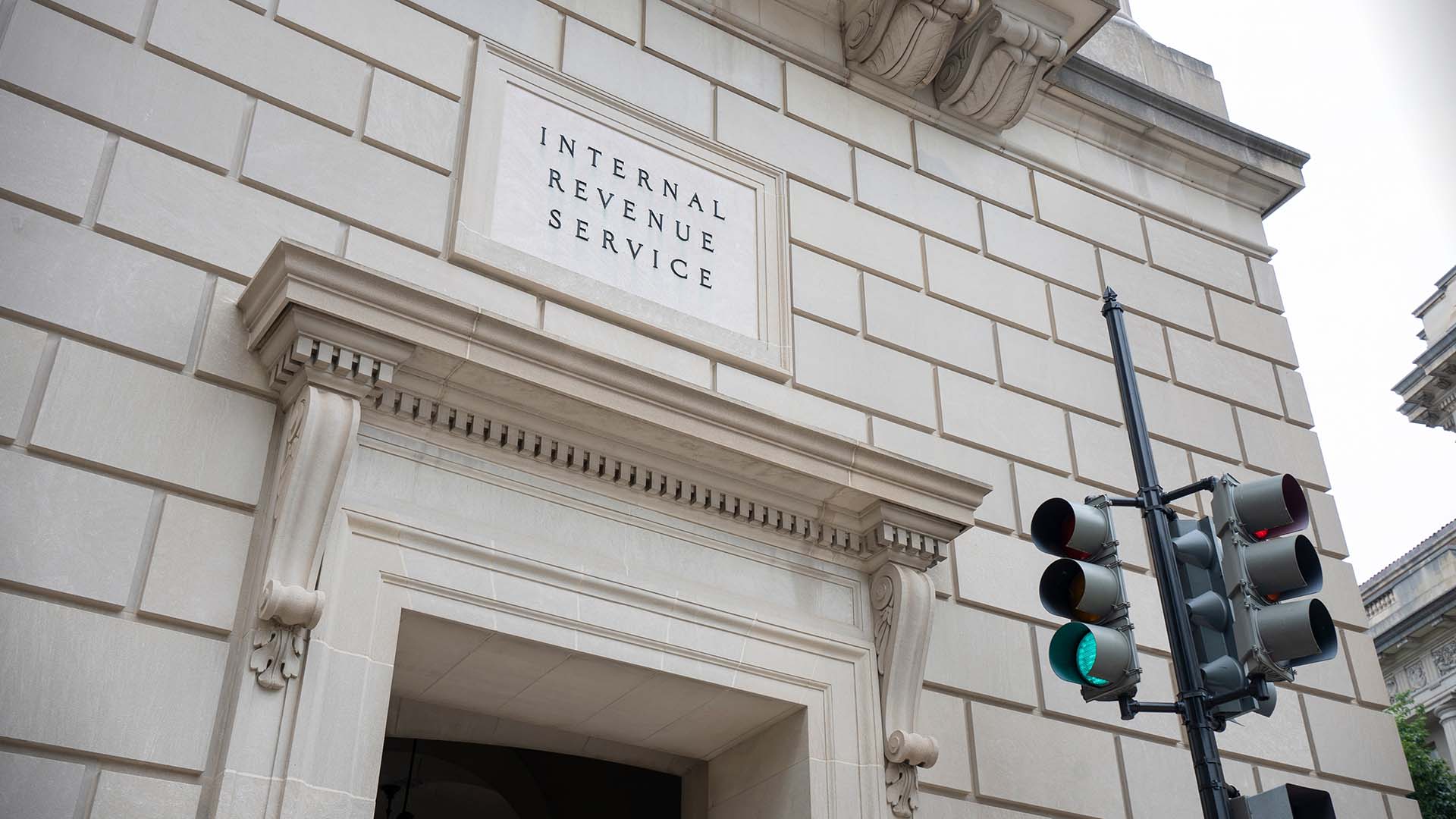
IRS Scrutiny of Wealthy Declines Sharply, Raising Concerns About Tax Enforcement
Dodging taxes may have become easier for the wealthiest Americans and large corporations following a significant shift in enforcement priorities at the U.S. Internal Revenue Service. New data reveals a dramatic drop in criminal referrals of potential tax evasion cases involving high-net-worth individuals and businesses during the first year of the current administration. This decline marks a reversal of efforts undertaken during the previous administration to increase scrutiny of those with substantial financial resources, raising questions about the fairness and effectiveness of the U.S. Tax system.
The IRS referred at most two cases of possible tax evasion by ultrawealthy people or large businesses to its criminal investigators during the period examined, a stark contrast to previous years. This reduction in referrals underscores a broader trend of diminished resources and staffing within the agency’s Large Business and International (LB&I) Division, which is responsible for auditing the nation’s largest companies and wealthiest individuals. The situation has prompted warnings from former IRS officials that the burden of funding the government is increasingly shifting to those who comply with tax laws.
“When the IRS budget and staff is cut, your taxes don’t go down. Instead, those that choose not to play by the rules shift the burden of funding our government to those that do,” stated Danny Werfel, who served as the IRS’s commissioner from 2023 to 2025, after reviewing the data. “The apparent sharp reduction in the inventory of IRS criminal fraud referrals is a textbook example of that.” Werfel’s comments highlight the direct correlation between agency funding and its ability to effectively enforce tax laws, particularly among those with the means to employ sophisticated tax avoidance strategies.
Budget Cuts and Staffing Losses Hamper Enforcement Efforts
The decline in criminal referrals coincides with a period of significant budget cuts and staffing reductions at the IRS, particularly within the LB&I Division. Early last year, IRS agents assigned to audits of billionaires reported that their cases were effectively halted as teams were decimated and budgets were frozen, a consequence of cost-cutting measures spearheaded by billionaire Elon Musk, according to reports from the International Consortium of Investigative Journalists (ICIJ). ICIJ reported that these cuts created a state of near paralysis within the division, leaving many audits unfinished and cases stalled.
The Global High Wealth office, a unit within the LB&I Division specifically tasked with auditing billionaires, experienced a particularly severe reduction in personnel. According to ICIJ, the office lost 38 percent of its staff within weeks of the current administration taking office. This loss is particularly concerning given that the wealthiest Americans are responsible for a disproportionately large share of tax cheating, according to the U.S. Treasury Department. Sophisticated tax evasion schemes are seen as a significant contributor to growing economic inequality, as highlighted by organizations like Oxfam. Oxfam’s research demonstrates the widening gap between the wealthiest individuals and the rest of the population.
Experts warn that in the absence of robust criminal referrals, the consequences for tax evasion often amount to little more than civil fines, which carry a limited deterrent effect. Michael Welu, a former IRS agent specializing in identifying major cases for potential prosecution, emphasized the importance of adequate staffing and resources. “Unless we start treating illegal schemes as what they are, there’s no incentive to stop,” Welu said. The IRS declined to comment on the matter.
Historical Context and Recent Trends in IRS Referrals
The current decline in criminal referrals represents a significant departure from recent trends. In 2023 and 2024, following a period of increased funding allocated through the 2022 Inflation Reduction Act, the LB&I Division made seven criminal referrals each fiscal year. The Inflation Reduction Act provided $80 billion in additional funding to bolster tax enforcement, but subsequent legislative action by Republican lawmakers reduced this budget by half, impacting the IRS’s ability to carry out audits. The current situation echoes a similar low point in fiscal year 2019, when the number of criminal referrals from the LB&I Division was equally low.
Robert Warren, a former IRS agent and assistant professor of accounting at Radford University in Virginia, explained the logical connection between staffing levels and referral rates. “It’s logical to expect a drop in referrals when you have so few agents,” Warren stated. “If you’re engaging in a large tax evasion scheme and you’re a company under the authority of [the Large Business and International division], the chances of you going to jail are like that of getting hit by lightning.” This assessment underscores the critical role of a well-staffed and adequately funded IRS in deterring and prosecuting tax fraud.
The recent cuts have led to the closure of ongoing audits of wealthy individuals and corporations, as reported by ICIJ last year. The report detailed how agents within the LB&I Division described their teams as being in a state of “paralysis” due to lost personnel, orphaned cases, and uncertainty surrounding future layoffs. The staffing surge experienced during the Biden administration, which prioritized hiring experts in complex tax maneuvers, was largely reversed as many of the newly hired staff, lacking significant job protections, were quickly terminated.
Looking Ahead: Continued Scrutiny and Potential Implications
The data analyzed does not indicate whether the two criminal referrals made by the LB&I Division in fiscal year 2025 (beginning in October 2024) occurred under the previous or current administration. No cases of potential tax cheating by ultrawealthy individuals were referred to criminal investigators between October 1, 2025, and January 31, 2026. This trend raises concerns about the long-term impact on tax compliance and the potential for increased tax evasion among the wealthiest segments of the population.
The situation is likely to remain under scrutiny as lawmakers and advocacy groups continue to debate the appropriate level of funding and staffing for the IRS. The effectiveness of tax enforcement efforts will be a key factor in determining the fairness and sustainability of the U.S. Tax system. The next key date to watch is the upcoming Congressional budget hearings in April, where the IRS Commissioner is scheduled to testify regarding the agency’s priorities and challenges.
The decline in IRS enforcement actions against the wealthy raises fundamental questions about equity and the rule of law. As the agency navigates ongoing budget constraints and staffing challenges, maintaining public trust and ensuring fair tax administration will be paramount. The coming months will be critical in determining whether the current trend represents a temporary setback or a more permanent shift in the IRS’s approach to tax enforcement.
What do you think? Share your thoughts in the comments below, and please share this article with your network.
Related reading
- Boris Johnson Urges Massive Ukrainian Mobilization in Call with Russian Pranksters
- Jokowi Targets Big Win in 2029 for PSI, Receives Warm Welcome and Traditional Title in NTT
- The Senate Blue Slip, Explained: The Custom Trump Wants Gone (daybreakwire.com)
- At typically tranquil Camp David, Trump publicly lashes out at political enemies (archyworldys.com)