The gaming industry has a long-standing relationship with the “remaster,” a process that breathes modern life into aging classics by updating textures, improving frame rates, and ensuring compatibility with modern hardware. For fans of Rockstar Games, this cycle is particularly tantalizing. With the studio’s focus heavily weighted toward the monumental launch of Grand Theft Auto VI, the void in their release calendar has sparked intense speculation about which legacy titles might be slated for a technical overhaul.
Recent signals from the leadership at Take-Two Interactive, Rockstar’s parent company, have reignited discussions regarding the potential return of some of the studio’s most ambitious projects. While official announcements are rare and tightly guarded, the discourse surrounding Rockstar Games remasters has shifted from mere fan wish-lists to a conversation fueled by executive hints. The primary candidates currently dominating the conversation include the gritty urban sprawl of Grand Theft Auto IV, the cinematic detective perform of L.A. Noire, and the sprawling frontier of Red Dead Redemption 2.
As a journalist who has tracked the intersection of software engineering and digital entertainment for nearly a decade, I view these hints not as random leaks, but as strategic markers. Take-Two has a history of leveraging its intellectual property to maintain revenue streams between “tentpole” releases. The question is no longer if Rockstar will look backward, but which specific world they intend to rebuild first.
The L.A. Noire Signal: More Than a One-Word Answer
Much of the current momentum stems from comments made by Strauss Zelnick, the CEO of Take-Two Interactive. During discussions regarding the company’s portfolio and the utilization of its intellectual property, Zelnick has suggested that the company is looking for ways to better leverage its existing brands. When specifically pressed on the possibility of a return to the world of L.A. Noire, the responses have been characteristically brief yet suggestive.
L.A. Noire remains a technical marvel for its time, specifically due to the MotionScan technology used to capture highly detailed facial expressions for interrogation sequences. However, that same technology has aged, and the game’s mechanical rigidity often clashes with modern player expectations. For Take-Two, refreshing this title represents a low-risk, high-reward opportunity to introduce a cult classic to a generation of players who have only known the PlayStation 5 and Xbox Series X/S era.
Industry analysts note that the better utilization
of a brand often implies more than just a simple resolution bump. It could signal a full remake—rebuilding the game from the ground up in a modern engine—or a strategic expansion of the IP. Given Rockstar’s current resource allocation, a high-fidelity remaster is the more plausible short-term path.
The Candidates: Analyzing the Remaster Pipeline
While L.A. Noire is currently the center of attention, two other titles remain high on the list of probabilities. Each presents a different technical and commercial incentive for Rockstar.
Grand Theft Auto IV: The Missing Link
Grand Theft Auto IV is perhaps the most requested remaster in the community. Released originally in 2008, it introduced a physics engine (Euphoria) that many argue provided a level of tactile realism that subsequent entries streamlined for the sake of scale. The game’s dark, satirical take on the American Dream in Liberty City provides a tonal contrast to the neon-soaked energy of GTA V.

A “Definitive Edition” for GTA IV would allow Rockstar to correct long-standing PC optimization issues and bring the game’s lighting and shadow systems up to modern standards. With the GTA VI hype cycle reaching a fever pitch, releasing a polished version of the fourth installment would serve as an effective primer for the series’ evolution.
Red Dead Redemption 2: The Next-Gen Polish
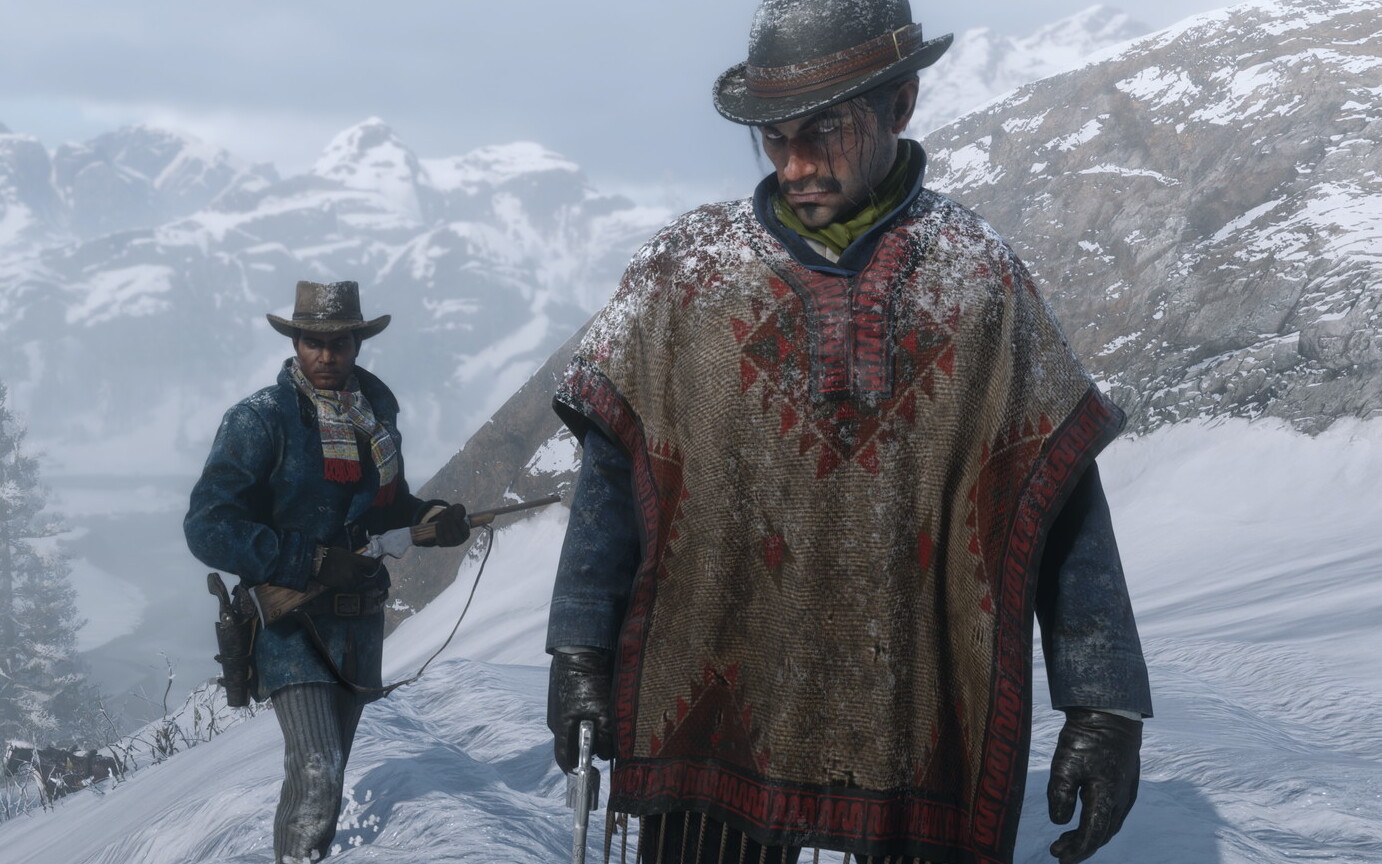
Unlike the other candidates, Red Dead Redemption 2 is already a visual powerhouse. However, the gaming community has long called for a native 4K, 60 frames-per-second (fps) update for current-generation consoles. While not a “remaster” in the traditional sense of altering assets, a technical “refresh” would align the game with the performance standards of 2026.
The commercial incentive here is simple: RDR2 continues to sell remarkably well years after its 2018 launch. A performance patch or a “Director’s Cut” style update would keep the title visible on digital storefronts without requiring the massive development overhead of a full remake.
The Strategic Logic of the “Refresh”
To understand why Rockstar Games would pivot to remasters now, one must look at the broader economic strategy of Take-Two Interactive. The company operates on a “hits-driven” model. When the gap between major releases grows—as it has with the decade-long wait for the next Grand Theft Auto—the company must find ways to monetize its existing library.
The 2021 release of the Grand Theft Auto: The Trilogy – The Definitive Edition demonstrated that there is a massive appetite for these titles, even when the initial technical execution is flawed. By refining the process, Rockstar can generate significant capital with a fraction of the effort required for a new IP. Remasters serve as an excellent tool for “onboarding” new players into the ecosystem before a major launch.
From a software perspective, moving these titles into a unified modern engine (likely an updated version of RAGE—Rockstar Advanced Game Engine) allows the studio to standardize how their games run across different platforms. This reduces the long-term cost of maintenance and ensures that their legacy is not lost to hardware obsolescence.
What This Means for the Global Gaming Community
For the average consumer, these hints signal a period of “bridge content.” We are currently in a transitional phase of the industry where the focus is shifting toward immersive, high-fidelity open worlds that are more reactive than ever. A remaster of L.A. Noire or GTA IV would not just be a nostalgia trip; it would be a study in how far the medium has progressed.
Stakeholders in the industry are watching closely to see if Rockstar will adopt a more transparent roadmap. Historically, the studio has preferred a “silence then explosion” approach to marketing, where nothing is confirmed until a trailer drops. However, the increased scrutiny of public company earnings calls means that executives like Zelnick are occasionally forced to provide a glimpse behind the curtain.
Key Considerations for Players
- Hardware Compatibility: Any upcoming refresh will likely target the PS5, Xbox Series X/S, and high-end PCs, potentially leaving older hardware behind.
- Pricing Strategy: Remasters typically occupy a mid-tier price point, often bundled as “Collections,” which may make them more accessible than full-priced new releases.
- Gameplay Changes: The critical question is whether Rockstar will simply update the visuals or refine the controls to match modern standards.
Looking Ahead: The Road to 2026
While the speculation around L.A. Noire and GTA IV is compelling, it all exists in the shadow of Grand Theft Auto VI. The primary objective for Rockstar remains the delivery of what is expected to be the most expensive and ambitious entertainment product in history. Any remasters released in the interim are likely designed to sustain momentum and maintain the brand’s presence in the cultural zeitgeist.
The next confirmed checkpoint for the community will be the subsequent quarterly earnings reports from Take-Two Interactive, where analysts will likely continue to press for specifics on the “utilization” of legacy IPs. Until a formal press release is issued, these developments remain in the realm of strategic signaling.
Do you think L.A. Noire deserves a full remake, or is a simple remaster enough? Which Rockstar classic would you most want to see updated for 2026? Let us know in the comments below and share this analysis with your fellow gamers.