
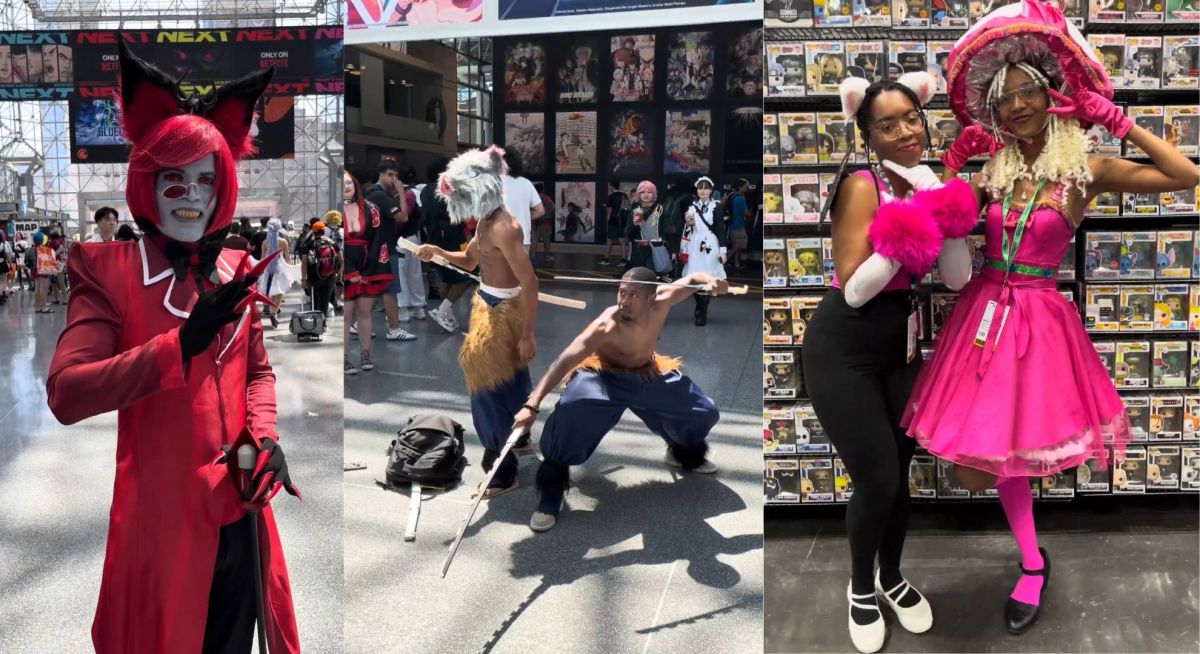
The intersection of pop culture and public policy often creates friction, and the recent discourse surrounding cosplay events in Suwon, South Korea, is a prime example. In the vibrant community of anime and gaming enthusiasts, a growing concern has emerged on platforms like Ruliweb, where users are debating whether the increasing volume of civil complaints (minwon) will eventually lead to the disappearance of these cherished gatherings in the region.
For many, cosplay is more than just wearing a costume; We see a form of immersive performance art. However, as these events scale in size, they often clash with the expectations of local residents and city officials. The tension typically centers on the “public” nature of these events, where the boundary between a private hobby and public disruption becomes a point of contention for those who do not share the subculture’s passion.
In the specific context of Suwon, these discussions have gained momentum following a series of high-profile clashes between event organizers and civic groups. While cosplay is generally viewed as a benign hobby, it often shares the same exhibition spaces and timelines as other “adult-themed” or controversial festivals, leading to a spillover effect where all unconventional gatherings are viewed with suspicion by local authorities.
The ‘Minwon’ Culture and the Threat to Subculture Events
In South Korea, the system of civil complaints, known as minwon
, is a powerful tool for citizens to influence local governance. When a significant number of residents file complaints about noise, crowding, or “indecent” attire, city officials are often pressured to take immediate action to maintain public order. For cosplay enthusiasts, this creates a precarious environment where a few loud voices can jeopardize an event attended by thousands.
The debate on Ruliweb highlights a psychological disconnect between the cosplayers and the complaining public. Some users argue that when a person cosplays, they are adopting a persona—a different self
—and that the social norms applied to their everyday identity should be viewed differently. However, this perspective rarely translates to the bureaucratic level, where city officials prioritize the “comfort” of the general public over the “expression” of a subculture.
This friction is not unique to Suwon but has become particularly acute there. The city has a history of reacting strongly to events that are perceived as challenging traditional social norms. For instance, the regional administration has previously intervened in events deemed to be “adult-themed,” showing a low tolerance for gatherings that spark public outcry.
Contextualizing the Suwon Conflict: From Adult Festivals to Cosplay
To understand why cosplay events in Suwon are under such scrutiny, it is necessary to look at the broader climate of event cancellations in the city. The sensitivity of Suwon’s local government toward “controversial” events was starkly illustrated in early 2024. An adult-themed event, titled 2024 KXF The Fashion
, was canceled in Suwon following intense protests from women’s organizations and civic groups who argued the event promoted sexual exploitation.
According to reporting by The Korea Times, the Suwon Women’s Hotline and other advocacy groups held press conferences demanding the cancellation of the event, which eventually led the organizers to secure an alternative venue outside the city. This precedent established a clear pattern: if a critical mass of civic opposition forms, the city of Suwon is likely to prioritize those complaints over the event’s right to exist.
While cosplay events like Comic World are vastly different from adult festivals, they often fall into the same “category” in the eyes of conservative residents—gatherings of “strange-looking” people that disrupt the peace of the neighborhood. When “minwon” are filed against a cosplay event for “indecent” clothing or “blocking traffic,” officials may apply the same restrictive logic used during the 2024 adult festival protests.
The Impact on the Cosplay Community
The potential loss of venues in Suwon would be a significant blow to the regional ACG (Anime, Comic, and Games) community. Suwon serves as a critical hub for enthusiasts in the Gyeonggi Province, providing a middle ground between the massive events in Seoul and those in the south.
The community’s anxiety is rooted in several key factors:
- Venue Scarcity: As cities become more restrictive, the number of exhibition halls willing to host cosplay events decreases, fearing the administrative headache of dealing with civil complaints.
- Self-Censorship: The fear of “minwon” leads cosplayers to either tone down their costumes or avoid public spaces entirely, stripping the hobby of its expressive freedom.
- Stigmatization: The grouping of cosplay with “adult festivals” or “deviant behavior” in public discourse makes it harder for the community to advocate for their rights as artists and fans.
On forums like Ruliweb, the sentiment is one of frustration. Users point out that while they strive to follow rules, the “norm” being enforced is often an outdated one that doesn’t account for the global nature of cosplay culture. The argument that one is not themselves
while in costume is an attempt to claim a “safe space” for artistic expression, but it remains a fragile defense against a city government focused on minimizing complaints.
What Happens Next for Suwon’s Events?
The future of cosplay events in Suwon likely depends on the ability of organizers to implement more rigorous “crowd control” and “dress code” guidelines to preempt complaints. However, this “sanitization” of the hobby is often viewed by fans as a loss of the culture’s spirit.

As the community continues to monitor the situation, the focus remains on whether the city will adopt a more inclusive approach to cultural diversity or continue to lean on the “minwon” system to prune away unconventional gatherings. For now, the cosplay community remains in a state of cautious optimism, hoping that the sheer popularity of these events will eventually outweigh the noise of a few disgruntled residents.
There are currently no official government announcements regarding a ban on future cosplay events in Suwon, but the community is urged to stay updated via official event organizers and local civic notices to ensure compliance with evolving venue regulations.
Do you think the “minwon” system is being misused to stifle subcultures, or are these complaints a necessary part of maintaining public order? Share your thoughts in the comments below.