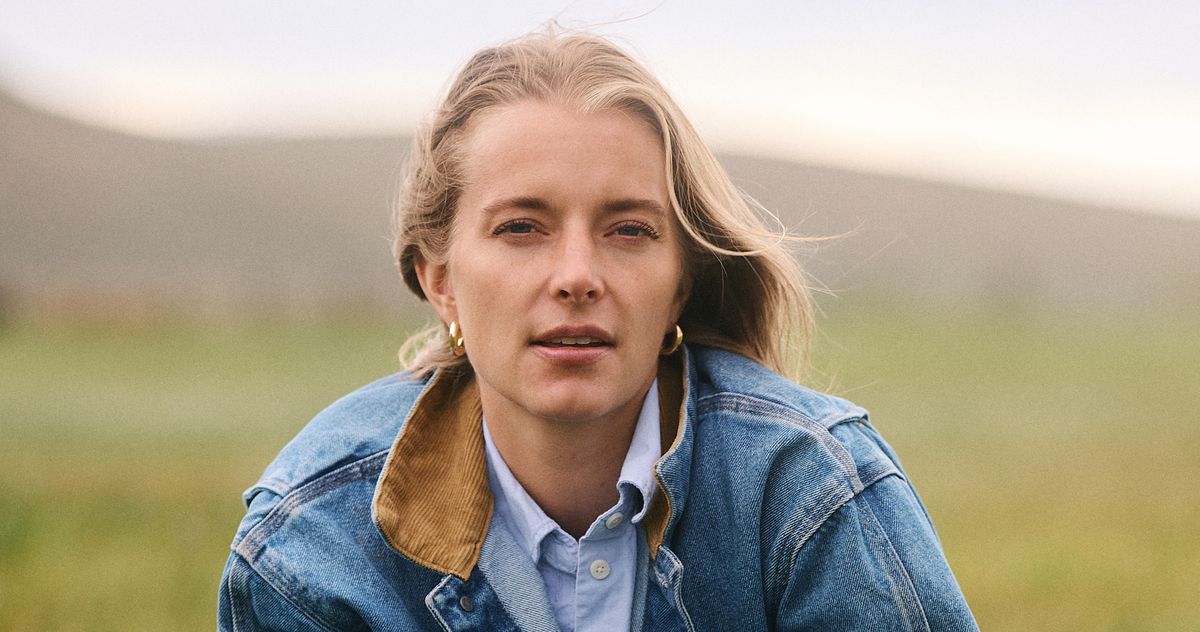
Hannah Neeleman, known to millions as the face of the social media brand Ballerina Farm, has publicly addressed the “tradwife” label frequently applied to her lifestyle. During recent media profiles and interviews, Neeleman clarified that while she is aware of the public discourse surrounding her family’s life on their Utah ranch, she does not personally identify with the term, maintaining that her choices are rooted in personal fulfillment rather than adherence to a specific internet-defined movement.
The “tradwife” phenomenon—a social media trend centered on the promotion of traditional gender roles, domesticity, and homemaking—has often used Neeleman’s content as a primary touchstone. With over 9 million followers on TikTok and millions more on Instagram, Neeleman documents the daily operations of her farm, her experiences raising eight children, and her background as a Juilliard-trained ballerina. According to reporting by The Times, Neeleman emphasized that her life choices are her own, reflecting a commitment to family and agriculture that predates the emergence of contemporary online labeling.
Understanding the Tradwife Label and Public Perception
The term “tradwife” gained significant traction on social media platforms starting around 2020, often characterized by aestheticized portrayals of baking, homeschooling, and rural living. Observers and cultural critics have frequently debated whether these portrayals empower women or reinforce regressive societal structures. For Neeleman, the disconnect between her reality and the public narrative is notable.
In her public statements, Neeleman has highlighted that her decision to leave a professional dance career in New York City to settle in rural Utah was a collaborative choice made with her husband, Daniel Neeleman. The couple operates their business, which sells farm-raised meat and artisanal goods, as a joint family enterprise. As noted by Vanity Fair, the couple’s approach to their public brand and private life remains centered on the autonomy of their household decisions, regardless of how those choices are categorized by digital audiences.
The Intersection of Digital Branding and Reality
The scrutiny surrounding Ballerina Farm often stems from the high production value of the content Neeleman shares. While the videos depict a rugged, hands-on lifestyle, the scale of the operation—which includes a significant e-commerce component—has led to broader questions about the economic viability of the “tradwife” lifestyle. Critics and supporters alike often look to Neeleman’s platform to define the boundaries of modern domesticity.
Despite the external pressure to fit into specific archetypes, Neeleman remains consistent in her messaging: she is satisfied with the path she has chosen. The narrative surrounding her transition from the competitive world of professional ballet to the labor-intensive reality of a working farm is, in her view, a story of personal evolution. The New York Times reported that Neeleman views her domestic and entrepreneurial life as a full expression of her priorities, rejecting the notion that her life is defined by a specific political or social mandate.
Why the Conversation Matters
The ongoing interest in Ballerina Farm reflects a broader cultural anxiety regarding work-life balance and the definition of success in the 21st century. By choosing a lifestyle that diverges from traditional corporate career paths, Neeleman has become a lightning rod for discussions about gender roles, the influence of social media on family life, and the reclamation of domestic labor.

Ultimately, the discourse surrounding Ballerina Farm serves as a case study in how public figures manage their identity in an era of constant digital surveillance. For those following her journey, the focus remains on whether the “tradwife” label serves as an accurate descriptor or merely a convenient shorthand for complex, individual life choices. As of the most recent updates, Neeleman continues to manage her business operations and family life, with no indications of shifting her public-facing strategy.
Readers interested in further developments regarding the Ballerina Farm brand or future interviews with Hannah Neeleman can monitor her official social media channels for updates. We encourage our readers to share their thoughts on the evolution of digital domesticity in the comments section below.