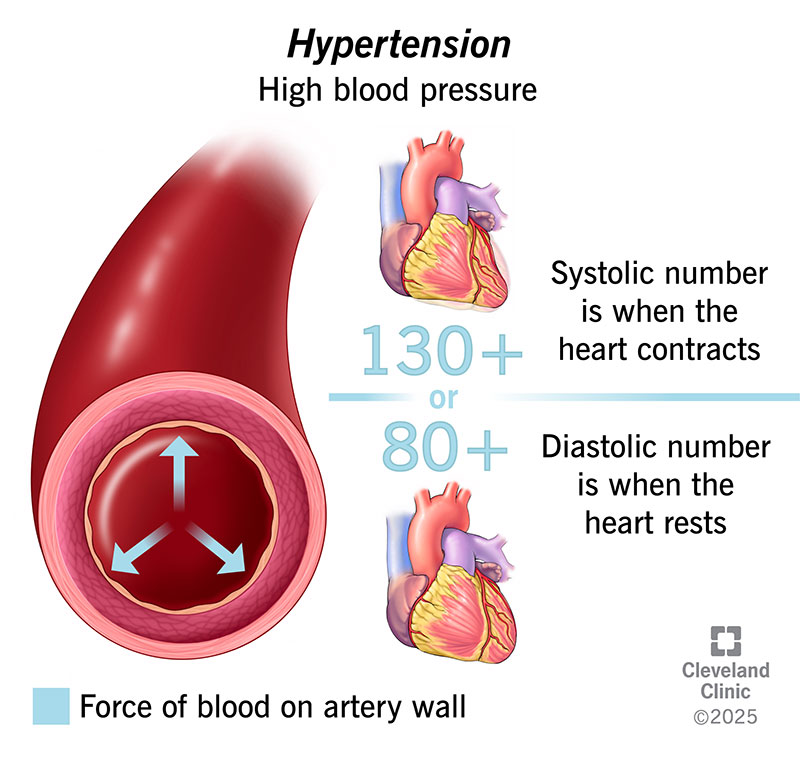
As a physician, I have often observed that the most critical health challenges are those that remain silent until they manifest as significant, life-altering conditions. Hypertension—frequently referred to as the “silent killer”—is traditionally associated with older adults, yet we are increasingly forced to confront the reality that pediatric primary hypertension is an underrecognized and potentially undertreated condition in clinical practice today.
The clinical consensus is clear: high blood pressure occurs when the force of blood against artery walls is consistently too high, placing unnecessary strain on the heart and damaging the arterial system over time. While we have robust protocols for managing this in adults, the pediatric population presents a unique set of diagnostic and therapeutic challenges that often lead to delayed intervention. Recognizing the signs early is not merely a clinical preference. it is a vital step toward preventing long-term complications such as kidney disease, heart damage, and stroke.
Understanding the Silent Risks in Pediatric Health
In pediatric medicine, hypertension is often categorized as either primary (essential) or secondary. Primary hypertension in children and adolescents is frequently linked to obesity and lifestyle factors, though it can also have a genetic component. Unlike secondary hypertension, which is typically caused by an underlying medical condition, primary hypertension often lacks a single identifiable trigger, making it more complex to identify during routine check-ups.
According to the Mayo Clinic, high blood pressure in children is frequently undiagnosed because it rarely presents with obvious symptoms. Because the condition develops quietly, children may go years without the necessary monitoring that would otherwise prompt a change in lifestyle or, if required, the initiation of antihypertensive medication. This diagnostic gap is a significant concern for pediatricians and public health officials globally.
The Challenge of Clinical Management and Treatment
When lifestyle modifications—such as dietary adjustments and increased physical activity—fail to achieve target blood pressure levels, clinical guidelines suggest the use of pharmacological interventions. However, data suggests that medication usage in the pediatric population remains relatively low, even among those who meet the clinical criteria for treatment. This discrepancy raises urgent questions regarding whether the long-term cardiovascular implications of pediatric hypertension are being adequately addressed by current healthcare systems.
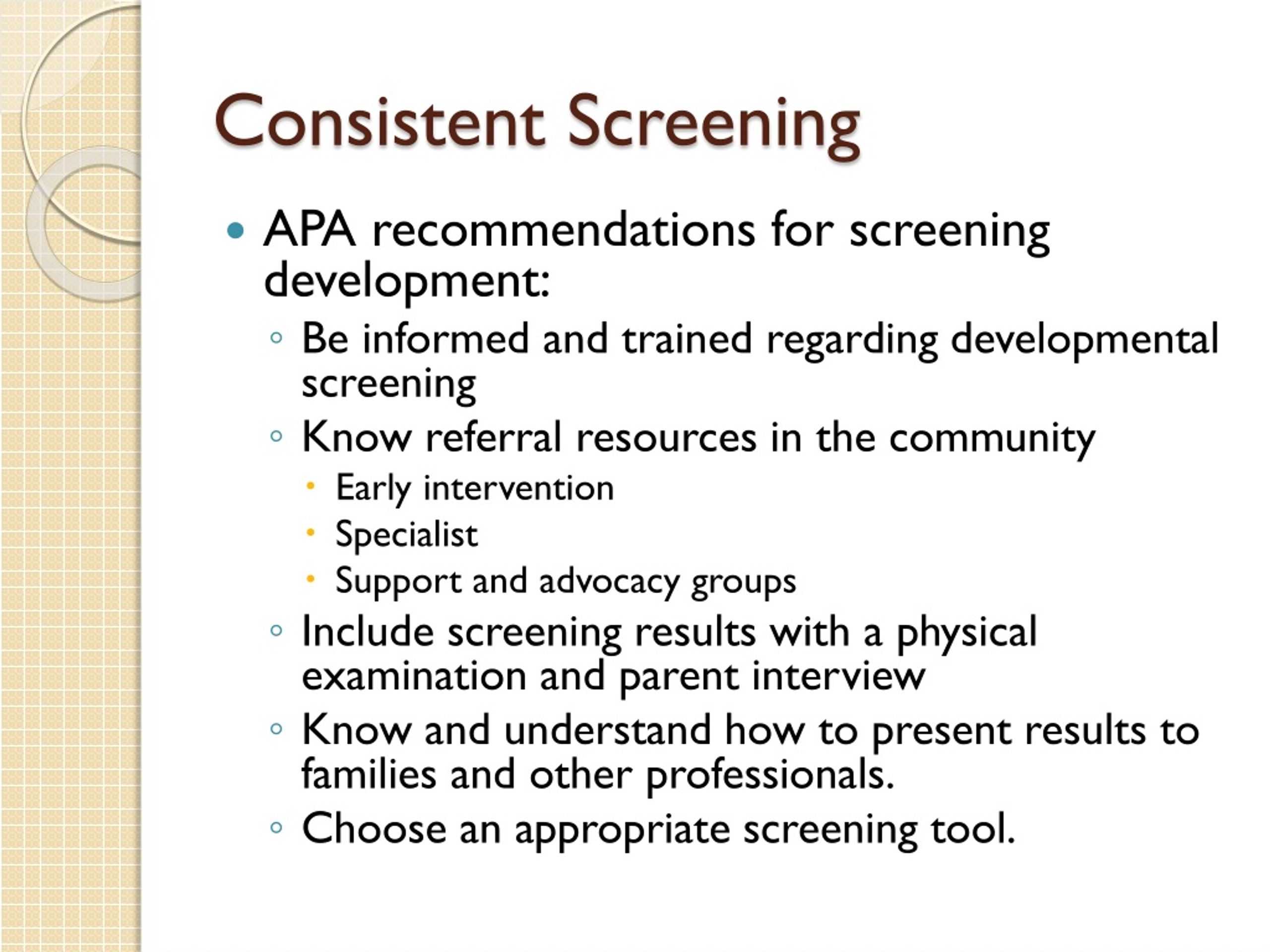
Research published by the American Heart Association highlights that pediatric primary hypertension remains an underrecognized condition. The transition from identifying high blood pressure to implementing a consistent treatment plan is often hindered by a lack of awareness regarding the severity of the condition in younger patients. Early diagnosis, facilitated by consistent screening, is essential to prevent the progression of vascular damage that can persist into adulthood.
Key Factors in Pediatric Hypertension Care
- Consistent Screening: Blood pressure should be a standard component of every pediatric wellness visit.
- Lifestyle First: Initial management typically focuses on nutrition, weight management, and physical activity.
- Medication Adherence: When prescribed, antihypertensive drugs must be managed carefully to ensure compliance and effectiveness.
- Long-term Monitoring: Ongoing assessment is required to track the impact of treatment on cardiovascular health.
Why Early Intervention Matters
The Cleveland Clinic emphasizes that because hypertension usually has no symptoms, early diagnosis is often lifesaving. In children, failing to control blood pressure can lead to structural changes in the heart and kidneys, effectively “aging” these organs prematurely. By the time a child reaches adulthood, the accumulated damage can significantly increase their risk of chronic disease.
As we look toward the future of pediatric cardiology and primary care, the focus must shift toward more proactive screening and a higher index of suspicion. We must ensure that clinicians have the tools and the training to recognize that hypertension is not just an “adult” disease. Addressing these gaps in care requires a concerted effort from both healthcare providers and parents to prioritize cardiovascular health from a young age.
The medical community continues to refine guidelines for the management of pediatric hypertension. For the most current clinical recommendations, parents and caregivers are encouraged to consult with their pediatricians or follow updates from major medical organizations such as the American Academy of Pediatrics. If you have questions about your child’s blood pressure readings, discussing them during your next check-up is the most effective way to ensure their long-term well-being.
What are your thoughts on current pediatric health screenings? Share your experiences or questions in the comments section below, and stay tuned to World Today Journal for further updates on pediatric cardiovascular health.
Related reading