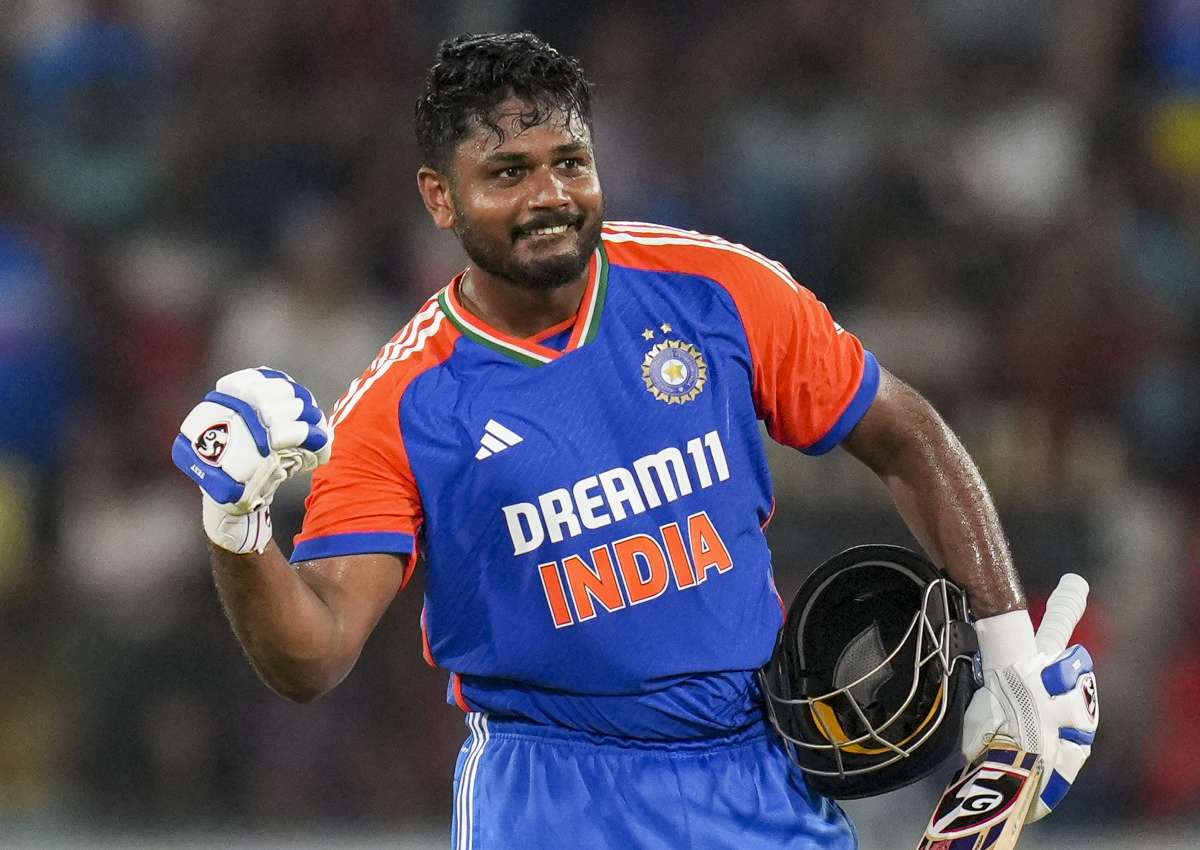
Sanju Samson is reportedly no longer part of India’s T20I scheme of things going forward due to inconsistent performances, according to reports from InsideSport and Sahil Malhotra of the Times of India. While some reports suggest the wicketkeeper-batter was “rested” rather than dropped for the India vs Zimbabwe T20I series, the truth is that he isn’t playing.
The 31-year-old has long been a polarizing figure in Indian cricket, praised for his natural talent but criticized for a lack of sustained output. The current selection trend indicates a shift toward players who can provide immediate, consistent impact, leaving Samson fighting for a spot in a squad boasting immense depth in the batting order.
The volatility of Samson’s career has seen him oscillate between brilliance and failure, often within a series. This inconsistency has made it difficult for the national selectors to view him as a permanent fixture, especially when compared to the emerging generation of aggressive T20 specialists.
The Depth of India’s T20 Batting Pool
India’s current talent pool has created a high barrier to entry. The national side possesses a luxury of options that allows selectors to experiment without compromising the team’s overall strength. According to InsideSport, players like Vaibhav Sooryavanshi—arguably the best T20 batter in the world—have been integrated into the setup, further crowding the selection process.

Beyond the newcomers, the competition includes names such as:
- Yashasvi Jaiswal and Shubman Gill
- KL Rahul and Sai Sudharsan
- Prabhsimran Singh and Priyansh Arya
For many of these athletes, a spot in the Indian T20I squad is a privilege. This depth means that players like Samson, who would be starters for other sides, find themselves marginalized by the sheer volume of high-performing alternatives.
Rested vs. Dropped: The Semantic Debate
A point of contention among fans and media has been the terminology used by management regarding Samson’s absence from the Zimbabwe series. Reports claim Samson was “rested” rather than dropped, that the selectors didn’t want a senior player to warm the bench. However, it doesn’t feel like that matters.
The precedent for this shift is seen in the trajectories of Shubman Gill and Yashasvi Jaiswal. Following the 2024 T20 World Cup, both were rested from T20Is to manage their workload and prioritise Test cricket. 2 years later, both are nowhere near the team because those who were granted chances cashed in on them.
Samson faces a similar risk. With the inclusion of Prabhsimran Singh in the Zimbabwe series, the door has opened for a new wicketkeeper-batter to prove their worth. If a replacement delivers a high-impact performance, Samson might be history.
Sanju Samson isn’t in India’s T20I scheme of things going forward because of his inconsistent performances.Source: Sahil Malhotra/TOI#SanjuSamson #IndianCricketTeam #ENGvIND #T20Cricket #CricketTwitter pic.twitter.com/v7eNnYIbvb
InsideSport (@InsideSportIND) July 7, 2026
The Path to Permanent Replacement
The blueprint for Samson’s potential exit was established by Abhishek Sharma. In 2024, Sharma utilized a window of opportunity to cement his place as the permanent opener. The current selection strategy appears to be replicating this model with players like Prabhsimran Singh and Vaibhav Sooryavanshi.

If these younger players “light it up” during the Zimbabwe series, the justification for recalling Samson diminishes. The management’s priority has shifted from rewarding historical talent to prioritizing current form and reliability. For a player of Samson’s age and experience, the window to secure a permanent role is closing as the team pivots toward a more sustainable, youth-driven core.
Do you believe Sanju Samson deserves one final run in the team, or is it time for India to move forward with the next generation? Share your thoughts in the comments below.