
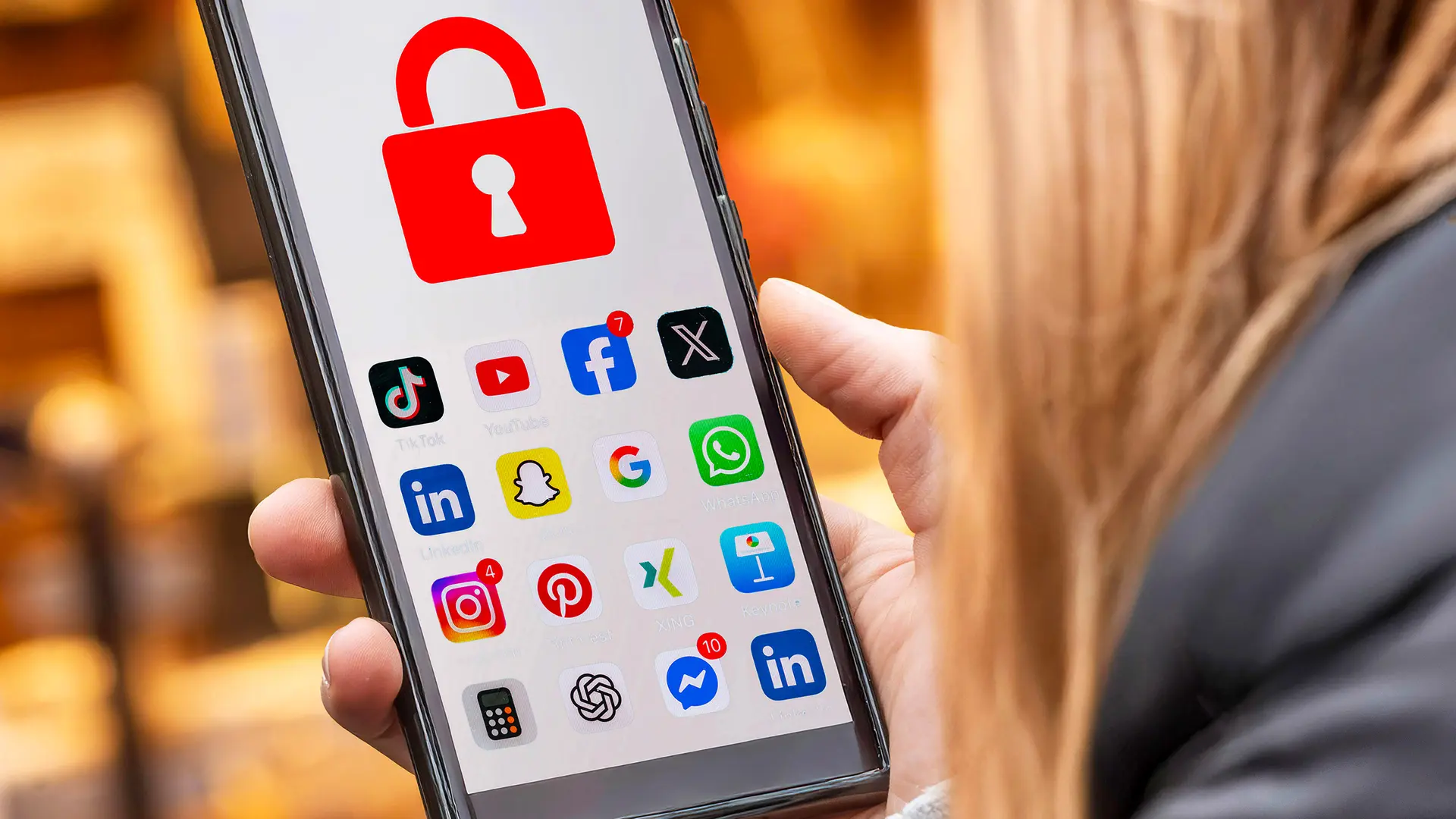
The question of whether to abandon popular social media platforms like Instagram, Snapchat, and TikTok is gaining traction, prompting debate among users and experts alike. A recent broadcast, NDR 2 Spezial: “Schluss mit Instagram, Snapchat und TikTok?” (loosely translated as “End with Instagram, Snapchat and TikTok?”), aired on February 20, 2026, sparked a conversation about the potential downsides of these platforms and whether users should consider alternatives. Although the specific arguments presented in the NDR 2 Spezial broadcast remain unconfirmed, the broader concerns surrounding these platforms – data privacy, mental health impacts, and algorithmic manipulation – are well-documented and continue to fuel discussions about responsible social media usage.
The landscape of social media has dramatically shifted in the past decade. Platforms once lauded for their ability to connect people are now facing increased scrutiny. TikTok, launched in 2016 by ByteDance, has rapidly turn into a dominant force, boasting over 1.5 billion active monthly users as of early 2025. However, its popularity is accompanied by concerns about data security, particularly given ByteDance’s ties to the Chinese government. Instagram, owned by Meta, and Snapchat, while established players, also grapple with issues related to user well-being and the pressures of curated online personas. The debate isn’t simply about abandoning these platforms entirely, but rather about fostering a more mindful and critical approach to their use.
The Rise of TikTok and Concerns Over Data Privacy
TikTok’s explosive growth is undeniable. The platform’s algorithm-driven “For You” page keeps users engaged for an average of 52 minutes per day, and 34 hours per month, according to data from early 2025. This level of engagement, while impressive, raises questions about its addictive nature and potential impact on attention spans. More significantly, concerns about data privacy have plagued TikTok since its inception. As a Chinese-owned company, ByteDance is subject to Chinese laws that could compel it to share user data with the government. These concerns have led to bans or restrictions on TikTok in several countries, including India, and ongoing investigations in the United States. The Committee on Foreign Investment in the United States (CFIUS) has been actively reviewing TikTok’s operations to assess potential national security risks.
The potential for data collection extends beyond TikTok. Instagram and Snapchat also collect vast amounts of user data, which is used for targeted advertising and algorithmic personalization. While these platforms are based in the United States and subject to U.S. Laws, concerns remain about how user data is handled and protected. The Cambridge Analytica scandal, involving Facebook (now Meta), served as a stark reminder of the potential for misuse of personal data harvested from social media platforms. Ongoing debates about data privacy regulations, such as the California Consumer Privacy Act (CCPA) and the General Data Protection Regulation (GDPR) in Europe, highlight the growing awareness of these issues.
Snapchat’s Appeal to Gen Z and the Pursuit of Authenticity
While TikTok dominates headlines, Snapchat continues to hold a significant appeal, particularly among younger users. A recent report suggests that Gen Z often prefers Snapchat due to its emphasis on authenticity and privacy. Unlike Instagram and TikTok, where content is often carefully curated and designed to last, Snapchat’s disappearing messages and stories foster a sense of spontaneity and immediacy. This fleeting nature reduces the pressure to maintain a perfect online image and encourages more genuine interactions. Snapchat’s features, such as streaks (tracking consecutive days of communication with a friend), also contribute to its playful and engaging environment.
The desire for authenticity is a key driver of Gen Z’s social media preferences. They are often critical of the highly polished and often unrealistic portrayals of life on platforms like Instagram. Snapchat’s more casual and unfiltered format provides a space for sharing real-life moments without the fear of judgment or long-term scrutiny. This emphasis on authenticity aligns with a broader cultural shift towards valuing vulnerability and self-expression. However, even Snapchat is not immune to the pressures of social comparison and the potential for negative mental health impacts.
Instagram’s Evolution and the Pressure to Perform
Instagram has evolved significantly since its launch in 2010. Initially a platform for sharing photos, it has expanded to include video, stories, and a variety of other features. While Instagram remains a popular platform for connecting with friends and family, it has also become increasingly focused on influencer marketing and the pursuit of online validation. The platform’s algorithm often prioritizes visually appealing content and rewards users who consistently post high-quality photos and videos. This can create a pressure to perform and maintain a curated online persona, which can be detrimental to mental health.
Studies have linked Instagram use to increased rates of anxiety, depression, and body image issues, particularly among young people. The constant exposure to idealized images can lead to feelings of inadequacy and social comparison. Instagram has taken steps to address these concerns, such as hiding like counts and introducing features designed to promote well-being, but the platform still faces criticism for its potential negative impacts. The company has also invested in tools to help users manage their time on the app and filter out potentially harmful content.
Marketing Implications: Navigating the Shifting Social Media Landscape
For marketers, the evolving social media landscape presents both challenges and opportunities. Each platform offers a unique set of tools for communicating with customers, particularly Gen Z. TikTok’s viral video format is ideal for reaching a younger audience with engaging and creative content. Instagram remains a powerful platform for visual storytelling and influencer marketing. Snapchat’s focus on authenticity and privacy offers opportunities for building more personal connections with customers.
However, marketers must also be mindful of the ethical considerations surrounding social media advertising. Targeted advertising can be effective, but it also raises concerns about data privacy and manipulation. Brands demand to be transparent about their data collection practices and ensure that their advertising campaigns are responsible and ethical. Building trust with customers is essential, and that requires prioritizing their privacy and well-being.
TikTok’s Content Formats for Marketers
- In-Feed Posts: Leveraging the “For You” page algorithm to reach a wider audience with engaging video content.
The key to success on any social media platform is to understand the platform’s unique culture and tailor content accordingly. Simply repurposing content from one platform to another is unlikely to be effective. Marketers need to invest in creating original, high-quality content that resonates with their target audience.
The Future of Social Media: A Call for Mindful Usage
The debate over whether to abandon Instagram, Snapchat, and TikTok is unlikely to be resolved anytime soon. Each platform has its strengths and weaknesses, and the decision of whether or not to use them is ultimately a personal one. However, the growing awareness of the potential downsides of social media is prompting a broader conversation about responsible usage.
Moving forward, it is crucial to prioritize mindful engagement with social media. This includes being aware of the potential for addiction, protecting personal data, and critically evaluating the content we consume. It also means fostering a healthy relationship with technology and prioritizing real-life connections. The future of social media may depend on our ability to use these platforms in a way that enhances our lives rather than detracts from them.
The German broadcast NDR 2 Spezial’s discussion on this topic is likely to continue fueling this conversation. Further developments in data privacy regulations and platform policies will undoubtedly shape the future of social media. Users should stay informed about these changes and advocate for responsible practices. The next key date to watch is the potential for further rulings on TikTok’s operations in the United States, with ongoing reviews by the Committee on Foreign Investment in the United States (CFIUS) expected to conclude in late 2026.
What are your thoughts on the future of social media? Share your opinions in the comments below!




