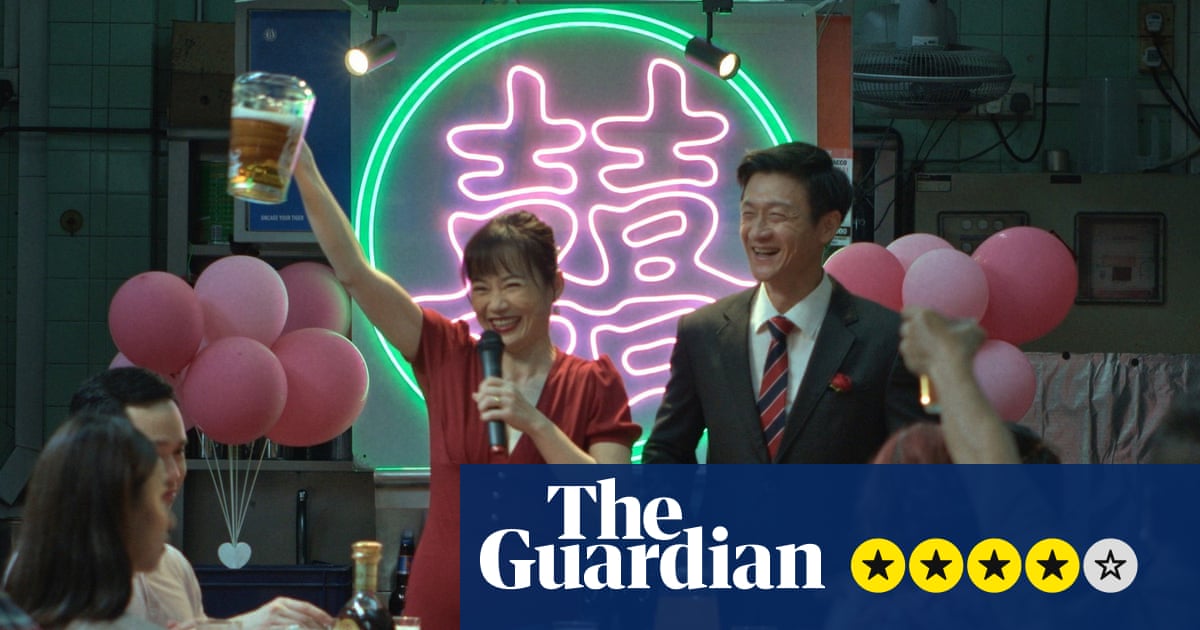
Singaporean filmmaker Anthony Chen is quickly establishing himself as a vital voice in contemporary cinema, known for his nuanced portrayals of family dynamics and societal pressures. Following the critical acclaim of his debut feature, Ilo Ilo (2013), Chen returns with a new film that continues to explore the complexities of human connection against the backdrop of a rapidly changing Singapore. His work often delves into the quiet struggles and unspoken tensions within families, offering a poignant reflection of modern life. Chen’s ability to blend social commentary with deeply personal narratives has garnered him international recognition, including the Camera d’Or at the 2013 Cannes Film Festival for Ilo Ilo, making him the first Singaporean to receive the award.
Chen’s films aren’t simply stories; they’re observations of a society grappling with tradition and modernity, economic shifts, and the evolving roles within families. He masterfully captures the subtle nuances of everyday life, creating a sense of intimacy and authenticity that resonates with audiences. His latest project, as reported by several sources, continues this trend, offering a compelling look at the challenges faced by young adults navigating love, responsibility, and societal expectations in Singapore. This exploration of contemporary Singaporean life, coupled with his sensitive storytelling, positions Chen as a significant figure in the global film landscape.
A Portrait of Modern Singaporean Life
Chen’s films frequently center on the experiences of ordinary people, often those marginalized or overlooked by mainstream narratives. His work provides a platform for voices that are rarely heard, offering a glimpse into the lives of those navigating the complexities of modern Singapore. The city-state, known for its economic prosperity and strict social norms, serves as a compelling backdrop for Chen’s stories, highlighting the tensions between individual desires and societal expectations. His films often critique the conformism and the pursuit of wealth that characterize Singaporean society, while simultaneously acknowledging the resilience and resourcefulness of its people.
The narrative often focuses on the struggles of young adults as they transition into adulthood, grappling with issues of identity, career, and relationships. These characters are often caught between the expectations of their parents and their own aspirations, leading to internal conflicts and hard choices. Chen’s films don’t offer easy answers, but rather present a realistic and empathetic portrayal of these challenges. He explores the pressures faced by a generation striving to find their place in a rapidly changing world, where traditional values are often at odds with modern ambitions.
We Are All Strangers: Parallel Crises and Societal Commentary
Chen’s latest film, We Are All Strangers, reportedly delves into the parallel romantic crises of a father and son in Singapore. The story centers on Junyang, played by Koh Jia Ler, a young man finishing his military service and uncertain about his future, and his widowed father, Boon Kiat, portrayed by Andi Lim. Junyang’s relationship with his girlfriend, Lydia (Regene Lim), a gifted pianist, takes an unexpected turn when they decide to experience a luxurious night at the iconic Marina Bay Sands hotel, resulting in a pregnancy. Simultaneously, Boon Kiat finds love with Bee Hwa (Yeo Yann Yann), a drinks waitress, adding another layer of complexity to the family dynamic.
The film reportedly uses these intertwined storylines to critique Singapore’s societal norms and the pressures faced by individuals striving for success. Junyang’s aspirations clash with his father’s more humble lifestyle, while Lydia’s mother disapproves of the relationship, reflecting the societal emphasis on status and financial stability. The contrast between the opulence of Marina Bay Sands and the family’s cramped living conditions underscores the economic disparities within Singaporean society. The film similarly touches upon the illusory promise of quick wealth, as Junyang attempts to navigate the world of real estate and social media marketing.
Marina Bay Sands as a Symbol
The inclusion of Marina Bay Sands, a symbol of Singapore’s economic success and international prestige, is particularly significant. The integrated resort, known for its luxurious accommodations and extravagant amenities, represents the aspirations of many Singaporeans. However, the film reportedly uses this setting to highlight the superficiality and the potential emptiness of pursuing wealth and status at all costs. The scene where Junyang and Lydia lose their virginity at the hotel serves as a pivotal moment, symbolizing both their desire for experience and the consequences of their choices. The stark contrast between the hotel’s extravagance and the family’s modest lifestyle emphasizes the societal pressures and the challenges faced by those struggling to achieve financial security.
According to reports, the film also explores the theme of societal conformism, a common thread in Chen’s work. Singapore is often characterized by its strict social norms and emphasis on collective harmony, which can sometimes stifle individual expression and creativity. We Are All Strangers reportedly challenges these norms by portraying characters who are willing to defy expectations and pursue their own paths, even if it means facing disapproval or hardship. The film’s exploration of these themes positions it as a thought-provoking commentary on contemporary Singaporean society.
A Director Influenced by Masters
Anthony Chen’s filmmaking style has been compared to that of acclaimed directors Edward Yang and Tsai Ming-liang, known for their minimalist aesthetics and insightful portrayals of urban life. Chen, a graduate of the National Film and Television School in Britain, reportedly draws inspiration from these filmmakers while developing his own unique voice. His films are characterized by their careful pacing, subtle performances, and a focus on the emotional lives of his characters. He reportedly dots the “I’s and crosses the T’s,” ensuring a forthright and wholehearted, yet nuanced, approach to storytelling.
Chen’s early work, including his short films Ah Ma (2007) and Haze (2008), garnered critical acclaim and established him as a promising talent. His debut feature, Ilo Ilo, cemented his reputation as a major voice in Singaporean cinema. The film won the Camera d’Or at the 2013 Cannes Film Festival, a prestigious award recognizing the best first feature film. It also earned him the Award for Achievement in Directing at the 2013 Asia Pacific Screen Awards and the Golden Horse Award for Best Narrative Feature, Best New Director, and Best Original Screenplay. In June 2023, Chen was invited to grow a member of the Academy of Motion Picture Arts and Sciences, further solidifying his position within the international film community. Anthony Chen’s Wikipedia page provides further details on his career and accolades.
Looking Ahead
Anthony Chen’s continued exploration of family dynamics and societal issues in Singapore promises to yield further compelling and insightful films. His ability to capture the nuances of human experience and to offer a critical perspective on contemporary life has established him as a significant voice in the global film landscape. We Are All Strangers, with its parallel narratives and exploration of societal pressures, appears to be a continuation of his artistic vision, offering a poignant and thought-provoking reflection of modern Singapore. The film screened at the Berlin film festival, signaling its potential for international recognition.
As Chen continues to develop his craft, audiences can expect more films that challenge conventions, provoke thought, and offer a glimpse into the lives of those navigating the complexities of the modern world. His work serves as a reminder of the power of cinema to illuminate the human condition and to foster empathy and understanding. The anticipation for his future projects is high, as he continues to push boundaries and explore new territories in his storytelling.
Maintain an eye on World Today Journal for further updates on We Are All Strangers and other exciting developments in the world of cinema. We encourage you to share your thoughts and reactions to Chen’s work in the comments below.
Related reading