
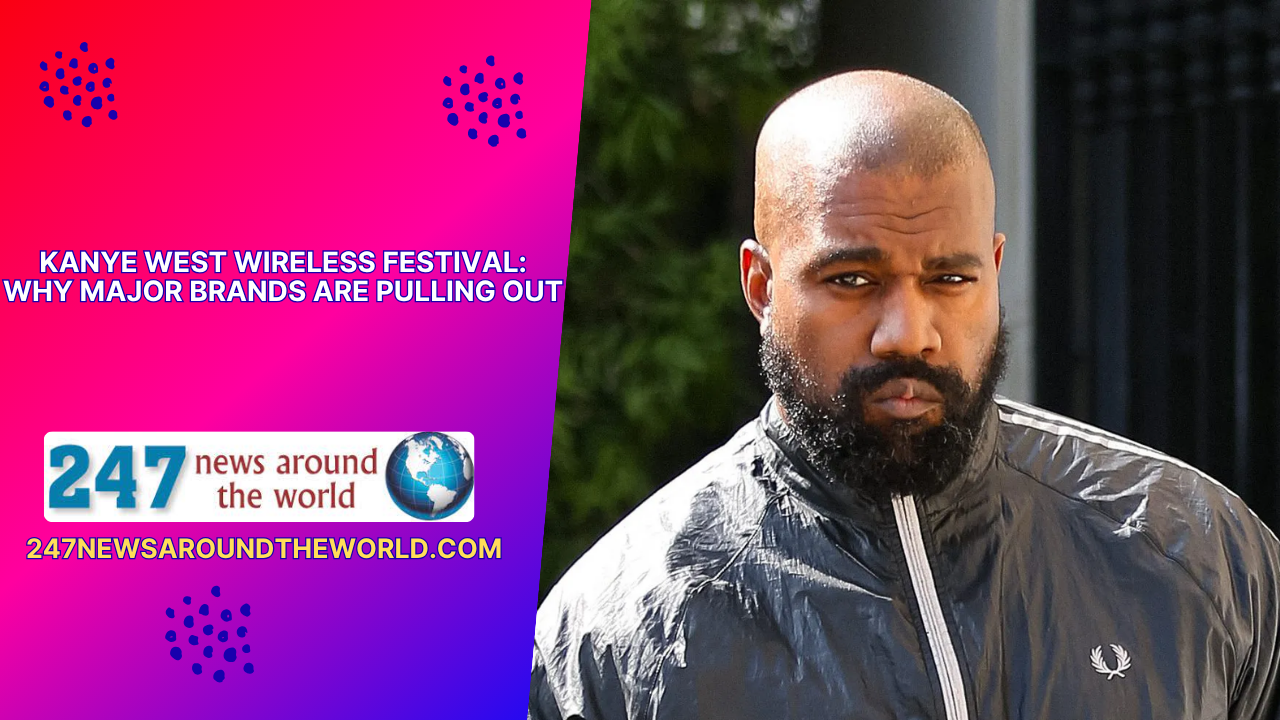
The Wireless Festival, one of the United Kingdom’s most prominent music events, has been canceled following the British government’s decision to block rapper Kanye West, now known as Ye, from entering the country. The move comes after significant backlash regarding the artist’s history of antisemitic remarks, leading to a swift collapse of the event’s scheduled programming.
The cancellation was triggered when the UK Home Office withdrew Ye’s Electronic Travel Authorisation (ETA), effectively denying him entry. The government stated that the decision to refuse permission was based on the grounds that his presence would not be “conducive to the public good,” according to reports from the BBC.
Organizers of the Wireless Festival confirmed the cancellation on Tuesday, announcing that full refunds would be issued to all ticket holders. The event was scheduled to take place from July 10-12 at London’s Finsbury Park, where Ye was expected to perform for approximately 150,000 attendees over three nights CBS News.
The fallout highlights a growing tension between commercial entertainment bookings and the geopolitical and social implications of hate speech. As major brands and political figures voiced their opposition to the headliner’s appearance, the festival faced mounting pressure that ultimately culminated in the government’s intervention.
The Home Office Decision and the ETA Process
The mechanism used to block the artist’s entry was the Electronic Travel Authorisation (ETA). For visitors who do not require a traditional visa for short stays of up to six months, an ETA is a mandatory requirement for entry into the UK. In this instance, the Home Office informed the BBC that Ye had applied for the authorization on Monday, only for it to be subsequently withdrawn BBC.
The “public good” clause is a significant legal tool used by the British government to prevent individuals whose presence might incite disorder or offend community standards from entering the country. This decision was mirrored by previous international restrictions. for example, Australian officials blocked the artist from entering their country last year following the release of a song titled “Heil Hitler” and the advertising of swastika-themed apparel CBS News.
Political Backlash and Corporate Pressure
The decision to book Ye as a headliner sparked immediate condemnation from high-level political offices. UK Prime Minister Keir Starmer addressed the situation on social media, stating, “Kanye West should never have been invited to headline Wireless,” and emphasized that the government “stands firmly with the Jewish community” in the fight to defeat the “poison of antisemitism” CBS News.
Beyond the political sphere, the festival organizers faced intensifying pressure from sponsors and stakeholders. Whereas the event’s organizers claimed that “multiple stakeholders were consulted in advance of booking YE” and that no concerns were highlighted at that time, the subsequent public outcry created an untenable environment for the brands associated with the festival The Hollywood Reporter.
The timing of the cancellation was particularly disruptive for the event’s commercial rollout. Presale tickets had been released at midday on Tuesday and were believed to have sold out, while the general sale was scheduled to begin at midday on Wednesday BBC.
A History of Controversy
The UK government’s refusal of entry is rooted in a string of documented comments and actions by the artist. In 2022, Ye posted on social media that he would go “death con 3 On Jewish people” and later appeared on a podcast hosted by Alex Jones, where he stated, “I see good things about Hitler” BBC.

In an attempt to mitigate the damage, the 48-year-old artist published a letter of apology in January as a full-page advertisement in The Wall Street Journal CBS News. In a statement released via the Wireless Festival, Ye acknowledged that “words alone are not enough” and expressed a hope to begin a conversation with the Jewish community in the UK The Hollywood Reporter.
Key Takeaways of the Wireless Festival Cancellation
- Cause of Cancellation: The UK Home Office withdrew Ye’s Electronic Travel Authorisation (ETA), preventing him from entering the country.
- Legal Ground: The refusal was based on the determination that his presence would not be “conducive to the public good.”
- Political Stance: Prime Minister Keir Starmer explicitly condemned the invitation of the artist to headline the event.
- Financial Impact: All ticket holders are being issued refunds following the cancellation of the three-day event.
- Broader Context: The move follows similar bans in other countries, including Australia, due to antisemitic content and rhetoric.
The cancellation of the Wireless Festival serves as a stark example of the “de-platforming” trend where government policy and corporate ethics intersect to limit the reach of figures associated with hate speech. For the music industry, it underscores the risk of booking controversial headliners without comprehensive risk assessments regarding international travel laws and public sentiment.
With the festival officially canceled and refunds being processed, the next point of focus will be whether the artist attempts to appeal the Home Office’s decision or seeks entry through other legal channels. We will continue to monitor official government updates regarding travel authorizations for the artist.
Do you believe governments should have the power to block artists based on their speech, or does this set a dangerous precedent for artistic freedom? Share your thoughts in the comments below.