/data/photo/2026/04/10/69d8b86626f5b.jpg)
A significant paleontological discovery in Argentina is providing scientists with a rare glimpse into the specialized diets of the prehistoric world. The recovery of an ant-eating dinosaur fossil, dating back approximately 90 million years, is helping researchers rewrite the evolutionary history of its group, revealing a level of dietary adaptation previously undocumented in this lineage.
The specimen, identified as Alnashetri, represents a critical “missing chapter” in the understanding of how certain prehistoric creatures evolved to exploit specific food sources. By analyzing the physical characteristics of the fossil, researchers have determined that the creature was myrmecophagous—a biological term describing animals that primarily feed on ants and termites.
This discovery is more than just a curiosity of nature; it suggests a complex evolutionary trajectory where prehistoric species developed highly specialized tools for survival. The discover, located in Argentina, provides a tangible link to the ecological dynamics of the Cretaceous period, showing how competition for resources drove species toward niche diets.
The Discovery of Alnashetri in Argentina
The fossil remains of Alnashetri offer a detailed look at a creature that lived 90 million years ago. The discovery has allowed paleontologists to examine the anatomical adaptations required for a diet centered on small, colonial insects. Unlike generalist feeders of the era, Alnashetri possessed traits specifically suited for extracting ants from their nests, a strategy seen in modern mammals like anteaters.
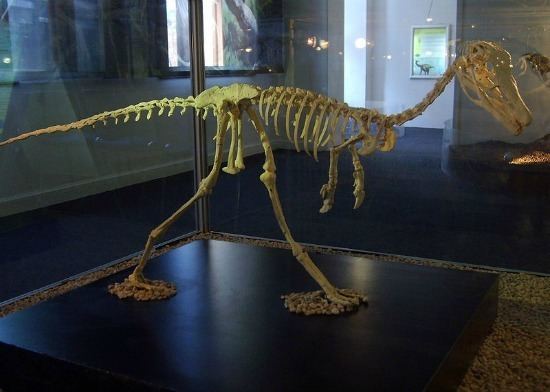
The research involved in reconstructing the image of this creature has been supported by academic contributions from the Universidad Nacional de Río Negro, with visual representations developed by Gabriel Díaz Yanteén. These reconstructions help scientists visualize how the dinosaur’s physical form supported its unique foraging behavior.
Understanding Myrmecophagy in Prehistoric Species
The classification of Alnashetri as a myrmecophagous animal is a pivotal detail in this study. Myrmecophagy requires specific biological adaptations, often including elongated snouts, specialized tongues, or reduced dentition, as the primary goal is to capture large quantities of small insects rather than chew tough materials. Scientists interpret these fossils as evidence that the dinosaur’s primary food source was ants, marking it as a specialized insectivore.
This dietary specialization indicates that Alnashetri occupied a specific ecological niche, reducing direct competition with larger carnivores or herbivores. Such specialization is often a sign of an advanced evolutionary stage within a group, where species diversify to survive in crowded ecosystems.
Evolutionary Implications of the Find
The existence of an ant-eating dinosaur 90 million years ago forces a reconsideration of the evolutionary timeline for the group. By filling in this “missing chapter,” the fossil provides evidence of when and how these specialized feeding habits first emerged. It suggests that the transition toward myrmecophagy happened much earlier or in different patterns than previously hypothesized.
For the broader scientific community, the Alnashetri fossil serves as a reminder of the biodiversity of the Cretaceous period. The ability of a dinosaur to evolve into a specialized ant-eater demonstrates the plasticity of dinosaurian anatomy and the diverse survival strategies employed before the mass extinction event.
As researchers continue to analyze the remains, the focus will likely shift toward comparing Alnashetri with other known insectivorous dinosaurs to determine if this trait evolved independently in different regions or if it was a widespread characteristic of a larger clade.
Further analysis of the fossil site in Argentina is expected to provide more data on the environment in which Alnashetri lived, potentially revealing more about the insects it preyed upon and the competitors it faced.
We invite our readers to share their thoughts on this discovery in the comments below. Do you think more specialized insectivores are waiting to be discovered in the fossil record?
Worth a look