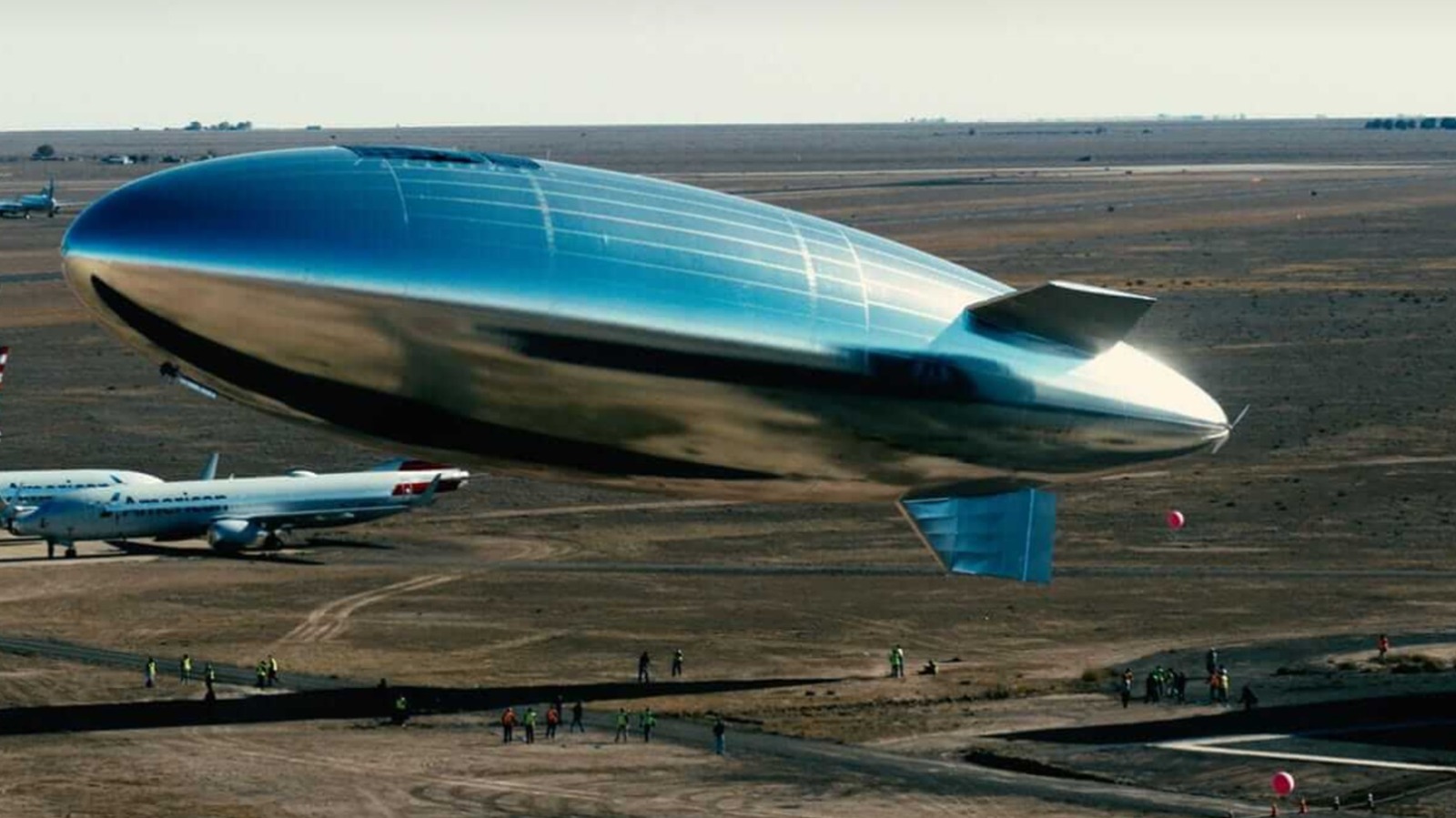
High-altitude solar-powered airships are being developed as a potential alternative to traditional ground-based cell towers, aiming to eliminate cellular dead zones by broadcasting 5G connectivity from the stratosphere. These autonomous dirigibles, designed to remain airborne for months at a time, utilize solar panels and high-capacity battery systems to provide continuous, wide-area network coverage in remote or underserved regions.
The concept, often referred to as High Altitude Platform Stations (HAPS), positions telecommunications equipment at altitudes between 18 and 25 kilometers, well above commercial air traffic and weather systems. According to the International Telecommunication Union (ITU), HAPS systems are recognized for their ability to provide high-speed connectivity to rural areas, disaster zones, and maritime environments where building physical infrastructure is geographically or economically impractical.
The Technology Behind Stratospheric Connectivity
At the core of these airship initiatives is the integration of lightweight photovoltaic cells and high-density energy storage. Because the airships operate in the stratosphere, they can capture intense solar radiation during the day to power onboard 5G base stations and charge batteries for nighttime operations. Unlike satellites, which orbit thousands of kilometers away in space, HAPS platforms maintain a relatively stationary position relative to the ground, significantly reducing the signal latency that typically plagues satellite-based internet services.
The engineering challenge lies in maintaining buoyancy and structural integrity in the thin atmosphere. Companies working in this space, such as Airbus with its Zephyr program, have focused on solar-electric flight to achieve long-endurance missions. By remaining aloft for extended periods, these craft function as “floating towers,” effectively extending the reach of a mobile network operator’s signal over thousands of square kilometers.
Addressing Cellular Dead Zones
The primary value proposition of stratospheric airships is the mitigation of dead zones. In many mountainous or sparsely populated regions, the return on investment for building traditional steel cell towers is too low for telecommunications companies. HAPS technology shifts this model by providing a flexible, aerial infrastructure that can be deployed or repositioned based on demand or emergency needs.
According to the GSMA, the industry trade body representing mobile operators, HAPS could play a critical role in closing the digital divide. By supplementing existing terrestrial networks, these airships provide a bridge for users who currently lack reliable 4G or 5G access. The ITU identifies that the ability to offer “broadband-like” speeds from the sky is a significant development in global connectivity, provided that spectrum allocation remains consistent across international borders.
Regulatory and Operational Hurdles
While the technology shows promise, it faces significant regulatory hurdles. Airships operating in the stratosphere must navigate international airspace regulations and coordinate with aviation authorities to ensure they do not interfere with flight paths. Furthermore, the radio frequencies used for 5G must be carefully managed to avoid interference with existing terrestrial networks and satellite systems.
The U.S. Federal Communications Commission (FCC) has initiated proceedings to develop a regulatory framework for HAPS, acknowledging the potential for these platforms to enhance wireless service. These rules aim to define how HAPS can operate within specific frequency bands, ensuring that the deployment of aerial base stations supports, rather than degrades, the overall performance of the global telecommunications grid.
Future Outlook for Aerial Networks
The timeline for widespread adoption remains tied to the maturation of battery technology and the ability of manufacturers to produce these airships at scale. Current prototypes are often limited by the weight of the hardware and the efficiency of the power-capture systems. As battery energy density improves—a metric monitored closely by the U.S. Department of Energy—the potential for longer, more stable missions increases.
The next major checkpoint for the industry involves large-scale, multi-month endurance testing to prove that these platforms can survive extreme stratospheric weather events consistently. As companies continue to file for experimental licenses and conduct flight demonstrations, the integration of HAPS into the broader 5G ecosystem is expected to be a gradual process, likely beginning with specialized use cases in disaster recovery and rural expansion before moving toward broader commercial implementation.
For ongoing updates regarding the deployment of stratospheric network platforms, stakeholders should monitor the latest filings from the ITU Radiocommunication Sector. Readers interested in the evolution of this technology are encouraged to share their thoughts on the balance between aerial infrastructure and ground-based connectivity in the comments below.
Keep reading