
The conclusion of the 2024 French Open at Roland-Garros brought with it a sobering statistic for British tennis: for the third consecutive Grand Slam, no British singles player managed to advance to the second week of the tournament. While the clay courts of Paris have historically posed challenges for players accustomed to the grass of the United Kingdom, the consistency of this early exit trend has sparked a wider conversation regarding the current state of elite British tennis and the looming expectations ahead of Wimbledon.
As we turn our focus toward the grass-court season, the question on the minds of fans and pundits alike is whether this recent string of results is merely a statistical anomaly or a deeper reflection of a plateau in performance. With the All England Club preparing for the 2024 Championships, the pressure on home favorites to deliver on the world’s most famous stage is, as always, immense. According to the official Wimbledon schedule, the tournament is set to begin on July 1, 2024, placing the performance of the British contingent under immediate scrutiny.
Evaluating the Recent Grand Slam Drought
To understand the current “singles woe” for British players, one must look at the recent results across the major circuit. The trend of failing to reach the round of 16 in singles began with the 2024 Australian Open, continued through the French Open and encompasses the latter stages of the previous season’s major events. This lack of depth in the second week of Grand Slams is a significant metric for national tennis federations, as it often correlates with a player’s ability to maintain high-intensity performance over a grueling two-week period.
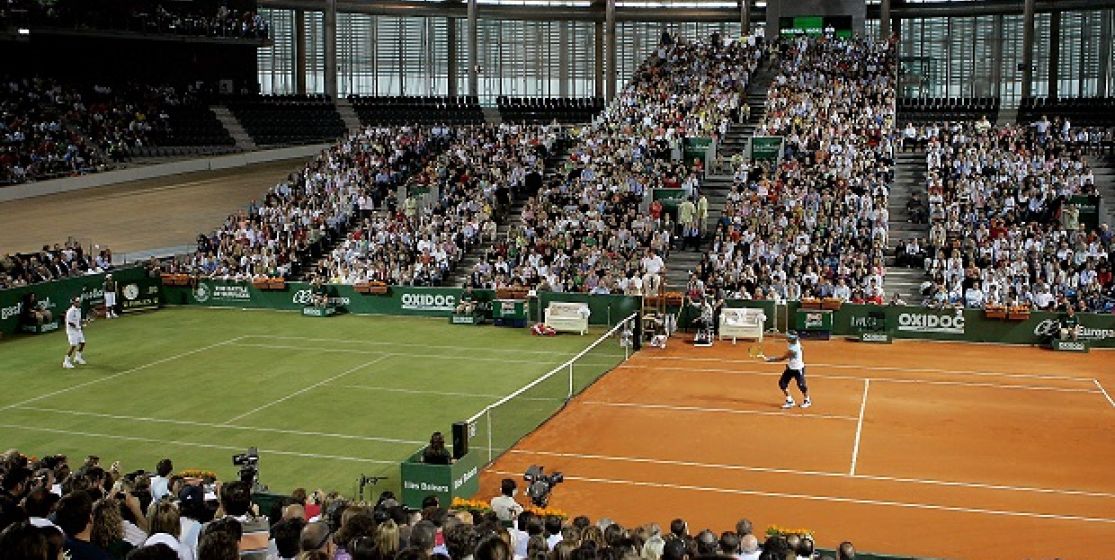
The challenges faced by British players at Roland-Garros were multifaceted. The transition from hard courts to clay requires a specific set of physical and tactical adjustments, including superior movement and patience in longer rallies. While players like Cameron Norrie and Katie Boulter have shown flashes of brilliance on the ATP and WTA tours, translating that consistency to the high-pressure environment of a Major has proven elusive in recent months. The Lawn Tennis Association (LTA) has previously highlighted the importance of nurturing talent through the transition from the Challenger circuit to the main ATP/WTA tour, yet the results at the highest level remain a work in progress.
The Wimbledon Factor: Grass as the Great Equalizer
Wimbledon presents a vastly different proposition compared to the clay of Paris. The speed of the surface, the low bounce, and the unique atmosphere of the All England Club have historically favored players with aggressive styles and strong serves—attributes often found in the British player profile. For the home contingent, the transition to grass is not just a change in surface; it is a return to a familiar environment where the support of the local crowd can serve as a catalyst for deeper runs.

Historically, British players have found their best form on home soil. The ability to play in front of a supportive crowd, combined with the familiarity of the conditions, has often resulted in “upset” victories that defy world rankings. However, relying on home-court advantage is a precarious strategy. The modern game is more global and more competitive than ever, with players from across the globe spending significant time training on grass-court surfaces in the lead-up to London. As reported by the BBC Sport tennis desk, the preparation period for Wimbledon, including events at Queen’s Club and Eastbourne, is critical for players seeking to find their rhythm before the main draw begins.
Is There Cause for Concern or Just Patience?
The “woe” often cited by media outlets must be balanced with the reality of the current landscape. Tennis is a sport of cycles. The retirement of Andy Murray from the upper echelons of the sport, coupled with the ongoing development of younger talents like Jack Draper and Emma Raducanu, suggests a period of transition. These players are navigating the physical demands of the professional tour, which includes managing injuries and recovery times—factors that directly impact their ability to compete at the top 16 level in back-to-back Grand Slams.
the standard of the men’s and women’s games is at an all-time high. The margins between the top 20 and the top 100 have narrowed significantly. A player who was once considered a “sure thing” for the second week of a major now faces stiff competition in the first and second rounds from emerging talents from every corner of the globe. This parity is fine for the sport but makes the path to the second week increasingly treacherous for any nation, including those with substantial investment in their tennis infrastructure.
Key Factors to Watch During the Grass Season
- Physical Resilience: Can the leading British players manage their fitness through the intense three-week grass stretch?
- Surface Transition: How effectively can players adapt their tactical approach from the heavy clay of the French Open to the quick, low-bouncing grass?
- Mental Fortitude: Dealing with the weight of home expectations at Wimbledon is a unique psychological challenge that requires significant mental preparation.
- Ranking Dynamics: Players looking to climb the ATP/WTA rankings will be prioritizing points at the lead-up tournaments to secure better seeding for the Championships.
Looking Toward the Championships
As we approach the start of the 2024 Championships, the narrative surrounding British tennis will undoubtedly intensify. While the statistics from the French Open indicate a current lull in performance, it would be premature to write off the chances of a breakthrough. Tennis is a sport where momentum can shift in a single match, and the unique nature of grass tennis often rewards those who play with freedom and confidence.
The next major checkpoint will be the commencement of the qualifying rounds for Wimbledon, followed by the main draw on July 1. Fans can monitor the latest entry lists and seedings through the official Wimbledon news portal, which provides the most accurate information regarding player participation and schedule updates. Whether this “singles woe” continues or is broken by a deep run from a British hopeful, the drama of the grass-court season is guaranteed to captivate audiences worldwide.
We invite our readers to join the conversation. Do you believe the current results are a systemic issue, or is the depth of the global field simply making it harder for any one nation to dominate? Share your thoughts in the comments section below, and stay tuned to our sports desk for ongoing analysis as we count down to the first ball at SW19.