Nothing, the London-based consumer electronics company founded by Carl Pei, appears to be withdrawing its presence from several European markets, leaving the status of its operations in the Benelux region uncertain. Reports of the company’s disappearance from regional retail listings and the cessation of local marketing activities suggest a strategic shift in the brand’s distribution model across the continent.
The situation centers on the availability of Nothing’s smartphones and earbuds, which have previously been sold through major electronics retailers and direct-to-consumer channels. While the company has not issued a formal global announcement regarding a total European exit, evidence from regional storefronts indicates a significant reduction in product availability and support infrastructure.
Retail Disappearance and Market Uncertainty
Industry observers and consumers in Europe have noted that Nothing products are increasingly absent from the digital shelves of major electronics distributors. In the Benelux region—comprising Belgium, the Netherlands, and Luxembourg—the ambiguity is particularly high. While some retail partners may still hold existing stock, new shipments appear to have stalled, and promotional banners for the latest devices have vanished from several high-traffic e-commerce platforms.
This trend aligns with a broader pattern seen in other European territories where the brand has scaled back its physical retail footprint. According to reports from tech community hubs like Tweakers, the lack of clarity regarding the Benelux market stems from a discrepancy between the company’s official web store availability and the actual stock levels found at third-party vendors.
For consumers, this creates a precarious environment for after-sales support. The primary concern for current owners of Nothing Phone (1), Phone (2), and Phone (2a) is whether warranty claims and hardware repairs will continue to be serviced through local channels or if the company will shift to a centralized European repair hub.
Analyzing Nothing’s Distribution Strategy
Nothing has historically positioned itself as a “challenger” brand, emphasizing a lean operational structure and a strong focus on design and community engagement. However, maintaining a physical presence across the fragmented European market requires significant capital and logistical overhead. A shift away from broad retail partnerships toward a more controlled, direct-to-consumer (DTC) model would allow the company to capture higher margins and maintain tighter control over the customer experience.
This potential pivot is not uncommon for hardware startups attempting to scale. By reducing reliance on third-party retailers who demand high margins and strict inventory quotas, Nothing could optimize its supply chain. However, this strategy often alienates customers who prefer the “touch and feel” experience of a physical store before purchasing a high-ticket item like a smartphone.
The uncertainty in the Benelux region may be a symptom of this transition. If Nothing is renegotiating contracts with regional distributors or auditing its logistics partners, there is often a “dark period” where products disappear from shelves before a new distribution agreement is finalized.
Impact on the Competitive Landscape
The potential withdrawal or scaling back of Nothing’s European operations occurs at a time when the mid-range smartphone market is increasingly crowded. With brands like Xiaomi and Samsung aggressively pricing their A-series and Redmi devices, Nothing’s unique design language—characterized by its signature Glyph Interface—must compete against massive marketing budgets and established service networks.
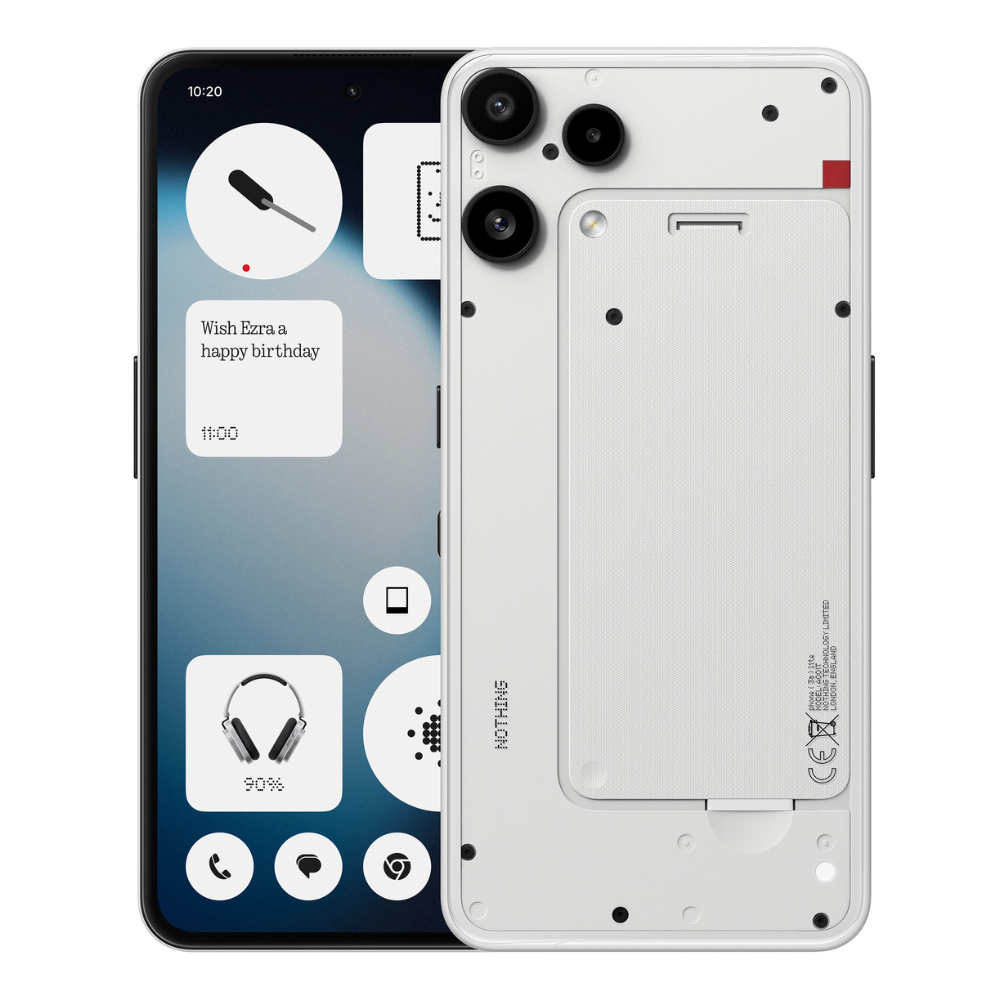
If Nothing fails to maintain a consistent presence in key European markets, it risks losing the “mindshare” it built during its high-profile launch phase. The brand’s appeal relies heavily on being a trendy, accessible alternative to the status quo. A lack of availability in physical stores makes it harder for the brand to attract non-tech-savvy users who rely on retail recommendations.
Furthermore, the company’s expansion into the “CMF by Nothing” sub-brand, which targets a more budget-conscious demographic, requires a robust distribution network to be successful. The CMF line depends on high-volume sales, which are traditionally driven by wide retail availability rather than exclusive direct sales.
What Current Users Need to Know
For those currently using Nothing devices in Europe, the most critical point of contact remains the official Nothing website. The company continues to maintain a web presence for various European locales, suggesting that the brand is not abandoning the continent entirely, but rather refining how it reaches the consumer.
Users are advised to keep digital records of their purchase receipts and warranty registrations. In the event that a local retailer ceases to provide support, the manufacturer’s direct warranty typically remains the primary recourse for hardware failures. Those in the Benelux region should monitor the official Nothing community forums for updates regarding authorized service centers in the Netherlands and Belgium.
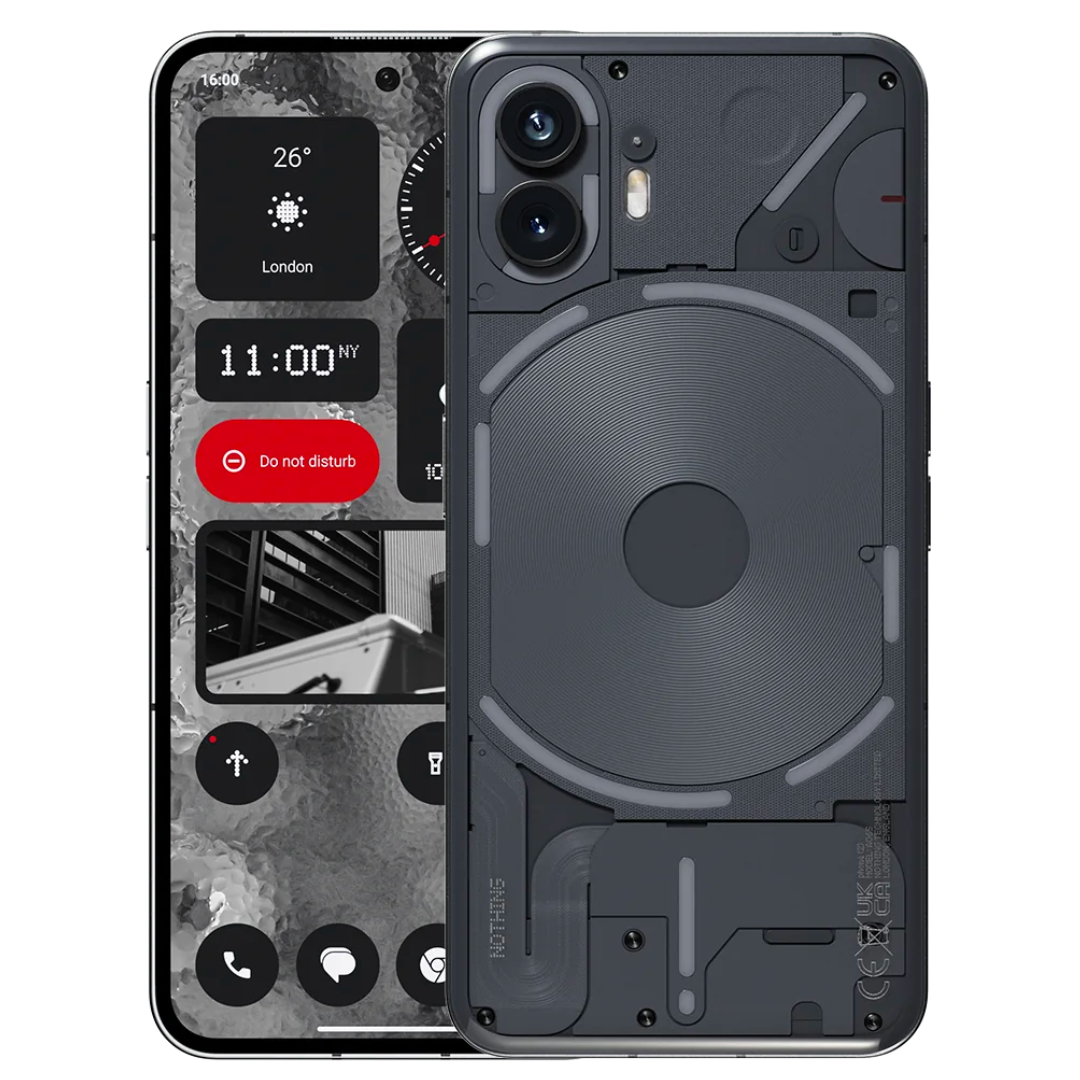
The company’s ability to provide software updates remains independent of its physical retail presence. Over-the-air (OTA) updates for Nothing OS will continue to function regardless of whether the device was purchased through a local shop or the official web store, ensuring that security and feature enhancements are not interrupted by distribution changes.
The next confirmed checkpoint for the company’s European strategy will likely coincide with the rollout of its next major hardware cycle. Official announcements regarding new product launches typically include updated lists of supported regions and retail partners, which will clarify whether the Benelux market remains a priority for the brand.
We invite our readers to share their experiences with Nothing product availability in their specific region in the comments below.