
The tech industry is currently navigating a pivotal moment as major corporations begin to scrutinize the immense financial outlays required for artificial intelligence development. After a period of aggressive, often unchecked spending on generative AI infrastructure, companies are shifting their focus toward clear return on investment (ROI). This transition marks a departure from the “growth at all costs” mentality that defined the initial generative AI boom, moving instead toward a more disciplined, fiscally conservative approach to innovation.
For years, the promise of transformative AI capabilities led to a massive influx of capital into data centers, specialized hardware, and high-end talent. However, as the initial excitement settles, market analysts and industry leaders are grappling with the reality of high operational costs. Recent financial reports from major technology firms indicate that while revenue from AI-integrated products is growing, the capital expenditure (CapEx) required to maintain these models remains a significant hurdle for long-term profitability. According to Reuters, investors have begun to express skepticism regarding the timeline for these massive investments to pay off, prompting a broader conversation about the sustainability of the current AI spending cycle.
At the center of this discourse is the question of whether the industry has entered a bubble. Experts such as Gautam Mukunda, a research fellow at the Harvard Kennedy School’s Center for Public Leadership, have noted that the divergence between massive infrastructure spending and immediate, widespread commercial application is a point of concern for market stability. This sentiment is echoed across Wall Street, where tech giants are now under increased pressure to demonstrate that their AI initiatives are not merely expensive experiments but viable, revenue-generating enterprises.
The Cost of Computing: Infrastructure vs. Revenue
The core of the issue lies in the sheer scale of compute power required to train and deploy large language models (LLMs). Building the necessary infrastructure involves significant costs, including the procurement of high-performance GPUs and the development of specialized data centers. As reported by the Financial Times, major players have collectively spent tens of billions of dollars on AI-related infrastructure in the last fiscal year alone. This level of spending is unprecedented, raising questions about how long these companies can sustain such high burn rates without a proportional increase in tangible product adoption.
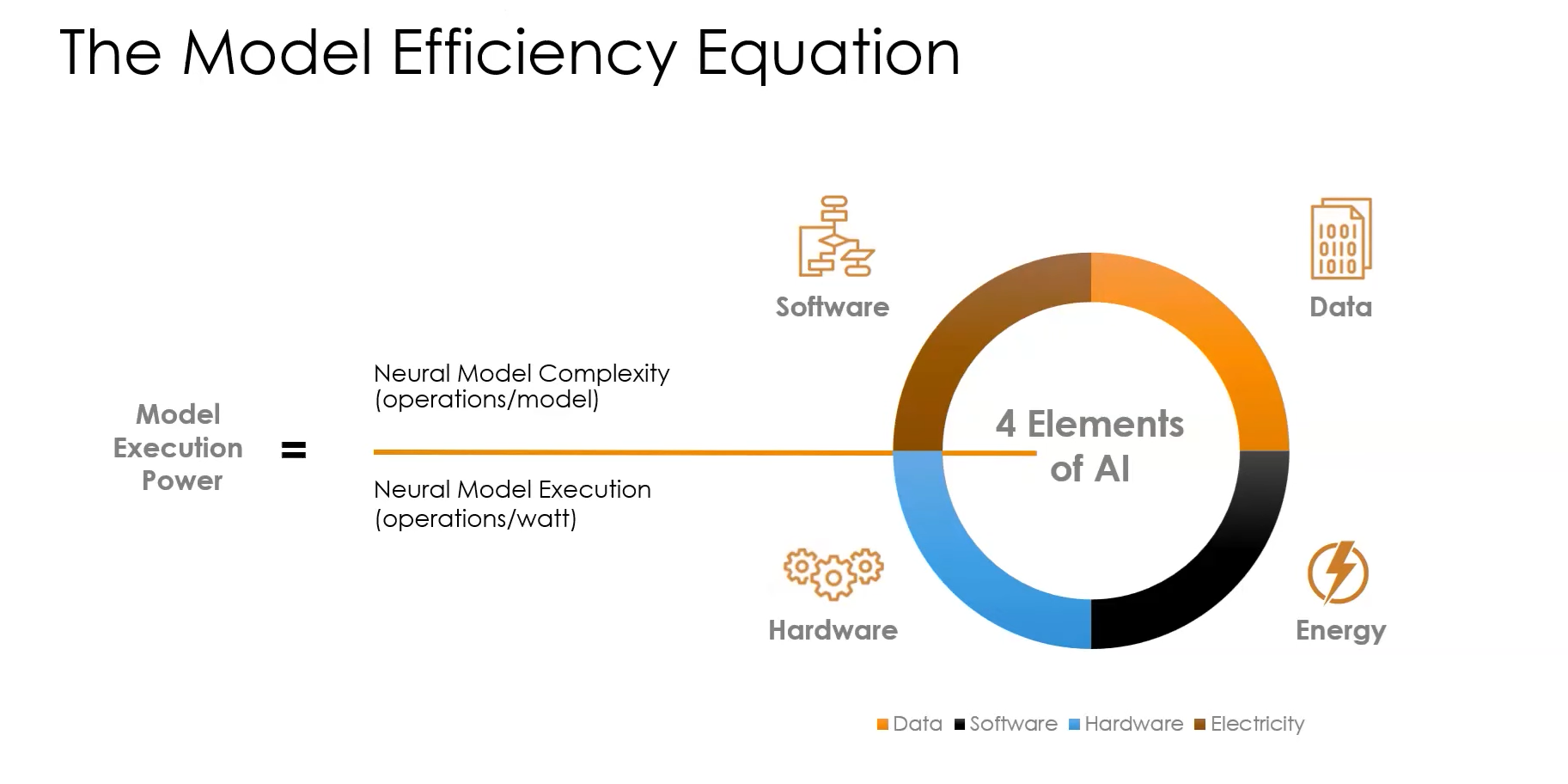
For software developers and tech leaders, the challenge is twofold: minimizing inference costs while maximizing the utility of the AI tools being deployed. Inference—the process of running a trained AI model to provide a response—is computationally expensive. As the user base for these tools grows, so does the cost of maintaining them. Companies are now looking for ways to optimize their models, favoring “smaller,” more efficient architectures that can perform specific tasks just as effectively as their massive, general-purpose counterparts.
Strategic Shifts in the Tech Landscape
In response to these financial pressures, we are seeing a shift in corporate strategy. Rather than attempting to “boil the ocean” with massive, all-encompassing AI models, many firms are pivoting toward vertical-specific solutions. By focusing on niche applications—such as legal document review, specialized medical diagnostics, or high-efficiency coding assistants—companies are finding it easier to justify the cost of AI to their enterprise clients. This move toward specialized AI is seen as a more sustainable path to profitability, as it allows for clearer value propositions and more predictable ROI.
the focus has shifted toward “AI integration” rather than “AI invention.” Instead of spending billions on foundational model research, many mid-sized tech firms are opting to leverage existing open-source models or APIs provided by the industry leaders. This “buy versus build” mentality is helping to stabilize costs across the broader tech ecosystem. According to data from Gartner, while investment remains high, organizational focus has shifted toward the practical deployment and governance of AI, rather than purely experimental research.
Key Takeaways on the AI Investment Climate
- CapEx Scrutiny: Investors are demanding more transparency regarding how AI capital expenditure is being translated into revenue.
- Model Efficiency: There is a growing trend toward smaller, highly efficient models that reduce inference costs.
- Vertical Specialization: Companies are moving away from general-purpose AI toward niche, high-value enterprise applications.
- The “Buy vs. Build” Pivot: Many organizations are opting to utilize existing foundational models rather than developing their own from scratch.
What Happens Next?
The next phase for the AI industry will likely be defined by a “show me the money” period. You can expect to see more detailed reporting in upcoming quarterly earnings calls regarding the specific revenue impact of AI products. Regulatory bodies are also expected to play a larger role; for instance, the Executive Order on the Safe, Secure, and Trustworthy Development and Use of Artificial Intelligence continues to shape how companies approach compliance and safety, which in turn adds a layer of operational cost and strategic planning to AI rollouts.
As we move into the next fiscal cycle, industry observers will be watching closely for signs of consolidation. Smaller firms unable to keep pace with the infrastructure costs will be acquired, or that the market will see a shift in the dominance of certain key players. Regardless of the outcome, the era of unbridled optimism is being replaced by a more mature, metrics-driven approach to artificial intelligence.
We invite our readers to join the conversation. Are you seeing the real-world utility of AI in your professional life, or does the technology still feel like a speculative venture? Share your thoughts in the comments section below or join our community discussions on social media as we continue to track this evolving story.
Worth a look