
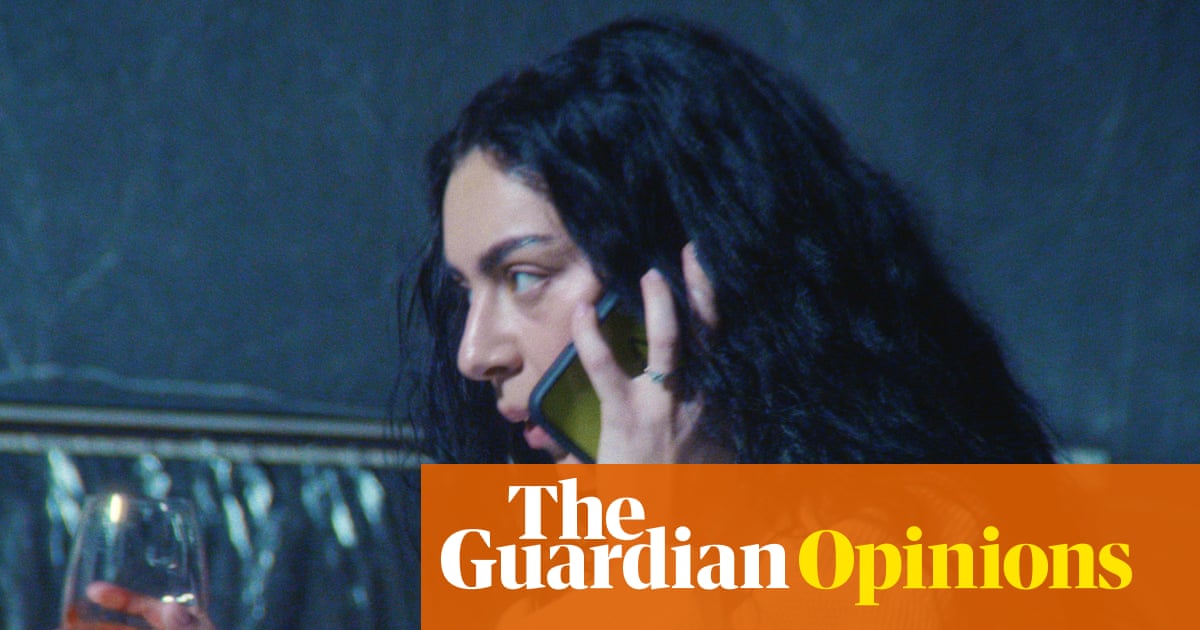
Charli xcx has spent the last few years redefining the boundaries of pop stardom, moving from a cult favorite to a global cultural catalyst. However, her latest venture moves beyond the recording studio and into the cinematic arena with Charli xcx’s The Moment mockumentary, a meta-satire that examines the dizzying heights and suffocating pressures of viral fame.
Debuting at the Sundance Film Festival, the film—distributed by A24 and directed by Aidan Zamiri—serves as a fictionalized reflection on the “Brat summer” phenomenon. Rather than a traditional biopic or a promotional concert film, The Moment casts the singer as a heightened version of herself, grappling with the aftermath of a career-defining album cycle that has evolved into a monster she can no longer fully control according to reports from its premiere.
For those who followed the trajectory of the 2024 album Brat, the film feels like a natural, if cynical, extension of that era. It captures the tension between artistic integrity and the corporate machinery of the music industry, specifically the pressure to capitalize on a “moment” long after the artist is ready to move on. By blending reality with fiction, Charli xcx attempts to dissect the very nature of “bratmania” and the absurdity of modern celebrity culture.
Inside ‘The Moment’: A Meta-Study of Fame
The narrative of The Moment centers on a pop star embarking on her first major arena tour following the massive success of a recent album. As the tour progresses, the protagonist finds herself at odds with the “suits” who view her artistic identity as a brand to be milked for maximum profit. Specifically, the film highlights the pressure from her label, Atlantic Records, to extend the album cycle past its natural conclusion as detailed in industry analysis.
Central to the film’s conflict is the introduction of Johannes, a toxic concert film director played by Alexander Skarsgård. Johannes represents the chauvinistic side of the industry, taking up “all the oxygen in the room” and threatening the creative harmony between Charli and her trusted friend and tour creative director, Collette, played by Hailey Gates as noted in early reviews. This dynamic underscores the film’s primary theme: the loss of creative freedom in the face of overwhelming commercial success.
Charli’s performance is described as heightened and dynamic, portraying a young woman caught in a cycle of cringe and adoration. The film does not shy away from the “absurdity of fame,” presenting the artist’s struggle to let travel of a cultural movement that has turn into her entire identity. This mirrors real-life reflections the singer shared in April 2025 via TikTok, where she admitted it was “really hard to let go of Brat” and expressed fascination with the tension of staying in a cultural moment for too long per archived social media posts.
The Collision of Art and Corporate Interests
At its core, The Moment is a critique of the “industry plant” and “brand” mentalities that dominate the current pop landscape. The film positions the artist as a pawn in a larger game played by executives who prioritize longevity and revenue over artistic evolution. This struggle is manifested in the dialogue, where the team acknowledges that the ongoing “bratmania” has become “all cringe,” yet they feel powerless to stop the momentum.
The inclusion of A24 as the distributor suggests a desire to position the film as an “elevated” piece of satire rather than a mere celebrity vehicle. By utilizing the mockumentary format, the film can jump between the polished veneer of a pop star’s public image and the messy, anxious reality of the person behind the persona. This duality is essential to understanding “what it means” to be a “main pop girl” in an era where memes can dictate the success of an album more than the music itself.
The film too highlights the importance of the “creative inner circle.” The relationship between Charli and Collette serves as the emotional anchor of the story, representing the only space where the artist feels protected from the predatory nature of the industry. When Johannes enters the frame, he doesn’t just threaten the production of a film; he threatens the mental well-being of the artist by disrupting this safe harbor.
The State of the Mockumentary: Evolution or Exhaustion?
The release of The Moment has sparked a wider conversation about the mockumentary genre itself. Once a cutting-edge tool for skewering authority and celebrity, the faux-documentary style has a rich history. From the irreverent lampooning of Beatlemania in 1978’s The Rutles: All You Need Is Cash to Albert Brooks’ 1979 spoof Real Life, the genre was defined by its ability to dial comic ingenuity up to eleven.
Directors like Christopher Guest and Rob Reiner further refined the format, using it to expose the delusions and pretensions of their subjects. However, in the current media landscape, some critics argue that the mockumentary has stagnated. The rise of reality television—which often feels like a mockumentary without the satire—has potentially stripped the genre of its novelty. When real life is already performative and curated for social media, the “fake documentary” can sometimes feel redundant.
In the case of The Moment, the film attempts to fight this stagnation by being “meta.” It isn’t just a mockumentary about a pop star; it is a mockumentary about the *process* of making a documentary about a pop star. While this adds a layer of intellectual depth, it also risks distancing the audience. The challenge for modern mockumentaries is to find a way to surprise an audience that is already accustomed to the “talking head” format and the shaky-cam aesthetic of modern content creation.
From ‘Brat’ Summer to Cinematic Satire
To understand the significance of The Moment, one must understand the cultural weight of the album Brat. Released in 2024, the album wasn’t just a collection of songs; it was an aesthetic, a vibe, and a meme that permeated everything from sorority weddings to US presidential campaigns according to cultural reviews. It captured a specific sense of hedonism and insecurity that resonated globally.

The film acts as a post-mortem for this era. By fictionalizing her experience, Charli xcx is able to process the “over-saturation” she feared in 2025. The movie asks a critical question: when a “moment” becomes a global phenomenon, does the artist still own it, or does the moment own the artist?
For the global audience, The Moment serves as a cautionary tale about the lifespan of trends. It illustrates the “ebbs and flows” of culture and the peril of staying too long in a specific persona. While the music of Brat was about liberation and confidence, the film is about the anxiety that follows when that confidence is commodified by a record label.
Key Takeaways: ‘The Moment’ and the Pop Cycle
- The Premise: A fictionalized Charli xcx struggles with the corporate pressure to extend the “Brat summer” era during her first arena tour.
- Key Conflict: The tension between the artist’s creative freedom and the demands of Atlantic Records and a toxic director, Johannes (Alexander Skarsgård).
- Genre Commentary: The film uses the mockumentary style to examine the performative nature of fame, though it arrives at a time when the genre is facing perceived stagnation.
- Cultural Context: It bridges the gap between the 2024 Brat phenomenon and the artist’s 2025 reflections on cultural over-saturation.
- Production: Directed by Aidan Zamiri and distributed by A24, debuting at the Sundance Film Festival.
As The Moment moves from its festival debut to a wider release, it will likely be viewed as a litmus test for whether the mockumentary can still deliver a sharp, intoxicating rush or if it has become as formulaic as the industry it aims to lampoon. Regardless of the critical reception, the project cements Charli xcx’s commitment to exploring her own celebrity with a level of honesty—and irony—that is rare in the pop world.
The next confirmed checkpoint for the film will be its wider distribution rollout following the Sundance premiere, though specific theatrical or streaming dates have not yet been officially announced. We will continue to monitor A24’s release schedule for updates.
Do you think the mockumentary style is still effective in the age of TikTok and reality TV? Share your thoughts in the comments below or share this article on social media to join the conversation.