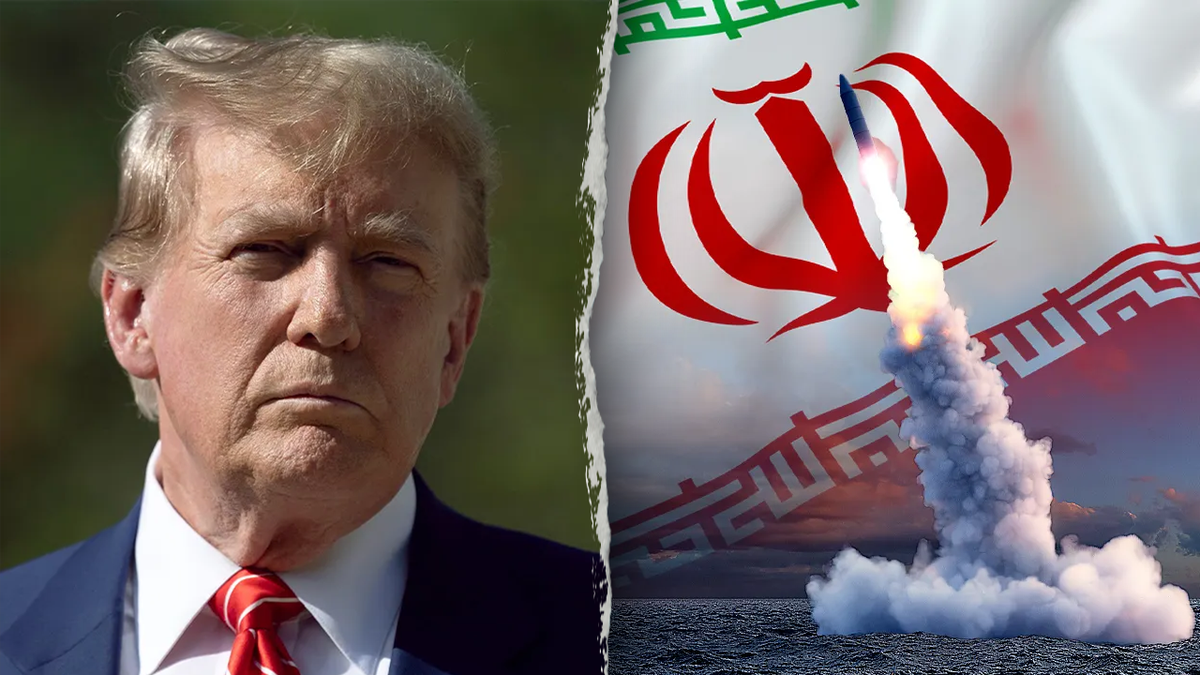
President Donald Trump is increasingly utilizing Christian rhetoric to bolster support for the ongoing conflict with Iran, a strategy religious and political experts say is designed to rally his core constituency. As the war faces growing unpopularity among the American public, the administration is leaning into a narrative of spiritual warfare, framing military actions as a moral struggle between righteousness and wickedness.
This religious framing of the Iran war is being amplified by influential evangelical leaders who are casting the geopolitical conflict as a battle between good and evil. This shift comes as President Trump struggles to maintain public backing for a war that has led to a surge in energy prices and the deaths of both American servicemen and Iranians, which has in turn eroded his standing with voters according to reports.
The administration’s approach has manifested in specific language used by top officials. President Trump recently described the rescue of a downed U.S. Airman in Iran as an “Easter miracle” and has suggested that U.S.-Israeli strikes carry God’s blessing. This rhetoric is mirrored in the Department of Defense, where Defense Secretary Pete Hegseth has cited scripture to justify the application of “overwhelming violence” against enemies who, in his view, “deserve no mercy” as detailed in recent coverage.
On April 7, President Trump announced a two-week ceasefire, yet the underlying effort to mobilize his base through faith-based messaging continues. For the administration, the strategy targets a critical demographic: white evangelicals, who provided more than 80% of their vote to Trump in 2024 and represent approximately one-third of his total support per exit polls and surveys.
The Role of Evangelical Leaders in Shaping the Narrative
The administration’s messaging is not operating in a vacuum; it is being echoed and expanded upon by conservative Christian leaders across the United States. These figures, ranging from high-profile allies like influential Texas pastor Robert Jeffress to compact-town preachers, are reinforcing the idea that the conflict has biblical significance. Many of these leaders link the modern state of Israel to prophecies regarding the Second Coming of Jesus Christ, thereby framing the defense of Israel and the confrontation with Iran as a spiritual necessity.
In Tulsa, Oklahoma, this narrative is being delivered directly from the pulpit. Jackson Lahmeyer, an evangelical pastor and Trump supporter running for the U.S. Congress, has told his congregation in Sunday sermons that wars are typically battles between good and evil, asserting that the situation with Iran is no exception. Lahmeyer has stated that “evil people exist, and if you don’t deal with them, they’ll deal with you,” concluding that in the biblical story, “at the end good always wins” as reported by the Straits Times.
By transforming a geopolitical conflict into a moral imperative, these leaders help insulate the president from political criticism regarding the war’s economic and human costs. When a conflict is framed as “God’s war” or a struggle for righteousness, policy failures or strategic setbacks are often reinterpreted as spiritual tests or necessary steps toward a divine outcome.
Economic and Political Pressures Driving Religious Rhetoric
The pivot toward religious language coincides with a period of significant volatility for the administration. The war with Iran has triggered a surge in energy prices, creating economic pressure for American consumers and complicating the president’s domestic standing. The loss of American servicemen has further intensified the scrutiny of the conflict’s objectives and the necessity of continued military engagement.
The use of Christian rhetoric serves as a tool for political mobilization. By appealing to the “good versus evil” dichotomy, the administration aims to solidify the loyalty of a base that views the president not just as a political leader, but as a defender of faith and biblical prophecy. This alignment creates a powerful synergy between the White House and evangelical pulpits, effectively turning political support into a matter of religious conviction.
Key Components of the Administration’s Religious Framing
- Divine Sanction: Claiming that military strikes and strategic operations have “God’s blessing.”
- Moral Absolutism: Framing the enemy not as a political adversary, but as “evil” or “wicked.”
- Prophetic Alignment: Connecting the current state of the Middle East to end-times biblical prophecy.
- Scriptural Justification: Using religious texts to validate the use of “overwhelming violence” in combat.
What This Means for U.S. Foreign Policy
The integration of religious framing into national security strategy represents a departure from traditional diplomatic and military communication. Typically, U.S. Interventions are justified through lenses of national security, international law, or the promotion of democracy. The current shift toward “moral confrontation” suggests that the administration is prioritizing the ideological alignment of its domestic base over traditional diplomatic justifications.
This approach may have long-term implications for how the U.S. Engages with the Middle East. If military actions are viewed through a prophetic or spiritual lens, the room for diplomatic compromise may shrink, as “evil” is rarely seen as a party with whom one can negotiate. The emphasis on the biblical significance of Israel further cements a policy of unwavering support that is tied more to theological belief than to shifting geopolitical calculations.
For the global community, this development signals a U.S. Foreign policy that is increasingly influenced by the specific theological views of a segment of the American electorate. The framing of the Iran war as a struggle for righteousness may complicate efforts by other international actors to mediate a lasting peace, as the conflict is no longer just about borders, treaties, or nuclear proliferation, but about a perceived divine mandate.
The current two-week ceasefire announced on April 7 provides a temporary pause in hostilities, but it does not resolve the underlying tension or the ideological framing of the conflict. The administration continues to lean on its evangelical allies to ensure that, regardless of the war’s outcome, the political cost is mitigated by a sense of moral and spiritual victory.
The next critical checkpoint will be the expiration of the two-week ceasefire, at which point the administration’s decision to either extend the truce or resume military operations will likely be accompanied by further rhetorical framing to justify the path chosen.
World Today Journal encourages readers to share this report and join the conversation in the comments section below.
Keep reading