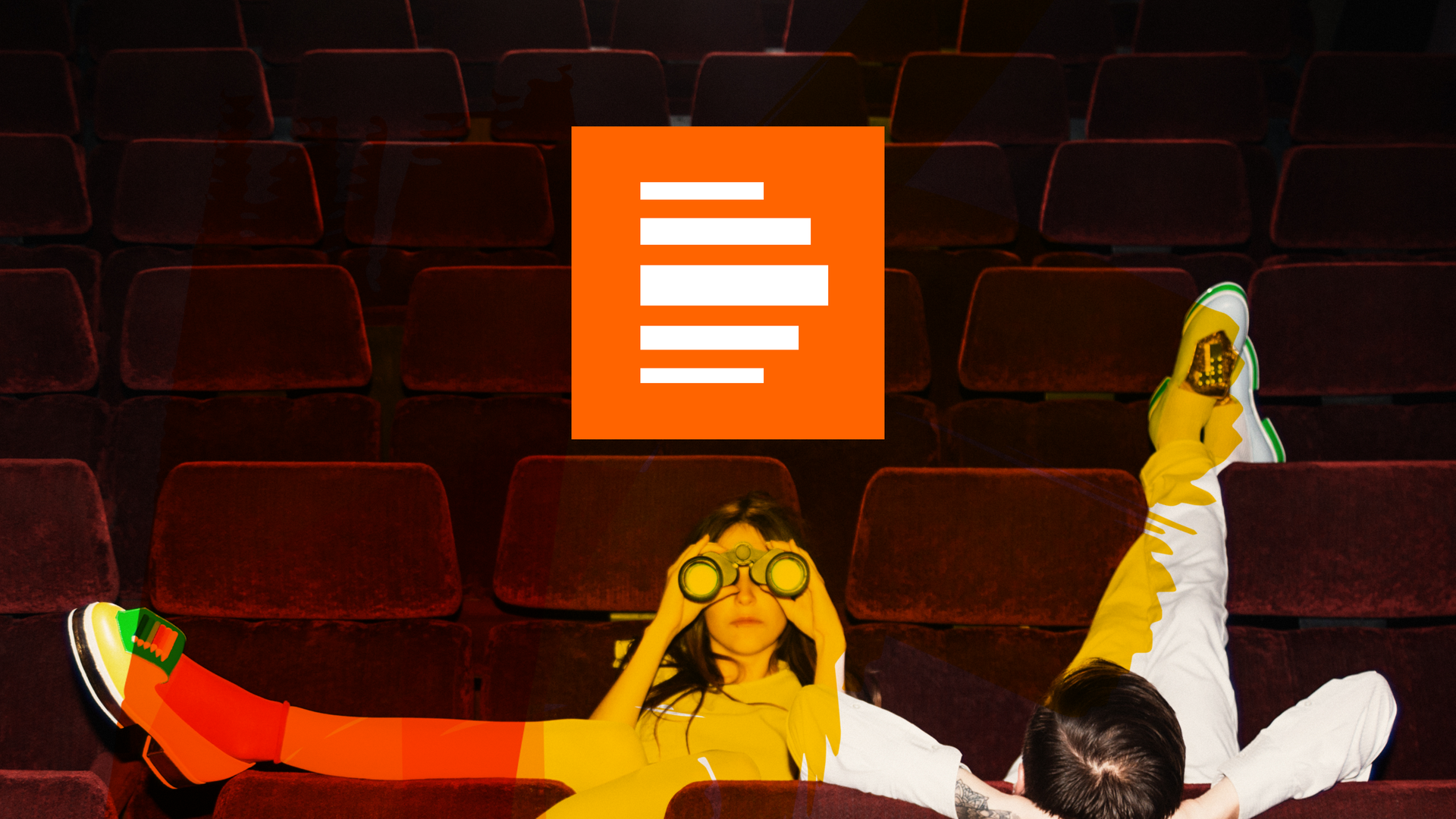
There is a specific, almost primal hush that descends upon a darkened theater just before the curtain rises. It is a collective holding of breath, a shared moment of anticipation that exists nowhere else in the modern experience. In an era defined by the infinite scroll, the instant gratification of streaming and the fragmented attention spans of the digital age, a fundamental question has begun to echo through the wings of stages worldwide: Is theater still relevant?
For some, the question is a provocation. To the purists, the answer is an obvious, resounding yes—theater is the bedrock of human storytelling, a ritualistic space that offers something a screen never can: true, unmediated presence. For others, the question is a warning. As digital entertainment becomes more immersive and accessible, the traditional theatrical model faces an existential crisis of engagement, funding, and cultural necessity.
The debate is not merely about whether people will continue to buy tickets; it is about the role of live performance in a society that is increasingly mediated by algorithms. As we navigate the complexities of the 21st century, the relevance of theater in the digital age is being redefined by those who create it and those who seek meaning within its walls.
The Pulse of the Present: Why Live Performance Endures
At the heart of the argument for theater’s continued importance is the concept of “radical presence.” Unlike film or television, where the performance is captured, fixed, and repeated, theater is a living, breathing entity. It is an ephemeral event that exists only in the moment of its occurrence. This inherent fragility creates a unique psychological contract between the performer and the audience.
When an actor stands on stage, they are not just delivering lines; they are navigating a shared physical space with hundreds of strangers. This creates a feedback loop—a communal energy where the audience’s laughter, gasps, or even their silence directly influences the rhythm of the performance. This level of human connection is increasingly rare in a world where much of our social interaction is filtered through glass and silicon.
theater has historically served as a vital laboratory for social and political discourse. Because it is a live medium, it has the capacity to respond to the immediate zeitgeist in ways that pre-recorded media cannot. It provides a safe, yet challenging, space for communities to confront difficult truths, explore intersectionality, and witness diverse perspectives in real-time. The stage remains one of the few places where the “other” can be brought into direct, physical proximity with the viewer, fostering empathy through the sheer power of shared experience.
The Digital Counterpoint: Competition or Catalyst?
The rise of high-definition streaming and the democratization of content through platforms like Netflix and Disney+ have undoubtedly shifted the landscape of entertainment. The convenience of watching a world-class performance from a smartphone is a direct challenge to the logistical and financial commitment required to attend a live show. For many, the question becomes: Why endure the commute, the ticket price, and the scheduled time when a similar emotional experience can be accessed with a click?

However, rather than acting solely as a disruptor, digital technology is also serving as a catalyst for theatrical evolution. We are seeing a blurring of the lines between the digital and the physical. From the integration of augmented reality (AR) on stage to the use of sophisticated projection mapping, technology is being used to expand the visual vocabulary of the medium, rather than replace it.
digital platforms have provided new avenues for accessibility. Live-streamed performances and digital archives have allowed audiences who are geographically or financially isolated to engage with high-caliber theater. This “hybrid” model of engagement suggests that the future of the performing arts may not be an “either/or” proposition between the screen and the stage, but rather a sophisticated ecosystem where both coexist and inform one another.
Representation and the Evolving Stage
As the cultural conversation around identity and equity intensifies, theater is undergoing a profound period of introspection. The question of who gets to tell which stories—and who is represented on stage—has become central to the industry’s survival and relevance. Modern audiences, particularly younger demographics, are increasingly demanding that the theater reflect the actual diversity of the world they inhabit.
This shift is not merely about “checking boxes” for the sake of optics; it is a fundamental reimagining of artistic responsibility. The industry is grappling with how to move beyond tokenism toward genuine, nuanced representation. This includes a focus on intersectionality and a commitment to providing platforms for voices that have historically been marginalized in the performing arts. When theater successfully navigates these complexities, it reinforces its role as a vital social mirror, capable of reflecting the full spectrum of the human experience.
This evolution often sparks intense debate within the community, touching on the delicate balance between artistic freedom and the responsibility to handle sensitive themes with care. Yet, it is precisely this tension that keeps the medium vital. A theater that does not challenge its audience or reflect its changing society risks becoming a museum piece—a relic of a bygone era rather than a living participant in the contemporary world.
Navigating the Economic Landscape of the Arts
While the philosophical debate continues, the practical reality of theater is often dictated by the bottom line. The performing arts sector faces a complex web of economic challenges, ranging from fluctuating audience demographics to the rising costs of production and venue maintenance. The post-pandemic landscape has left many institutions searching for sustainable models in an era of unpredictable consumer behavior.

Funding remains a critical pillar of the industry. Whether through government subsidies, private philanthropy, or ticket sales, the financial health of theater is inextricably linked to its ability to demonstrate value to stakeholders. In many regions, the arts are viewed as a significant driver of local economies, contributing to tourism and urban revitalization. Highlighting this economic impact is increasingly crucial as organizations advocate for continued support in a competitive budgetary environment.
To combat these pressures, many theaters are diversifying their revenue streams and rethinking their engagement strategies. This includes everything from membership programs and educational outreach to the development of multi-use spaces. The goal is to create a resilient infrastructure that can weather economic shifts while continuing to fulfill its cultural mission.
Key Takeaways: The Future of the Stage
- Human Connection: The unique, unmediated experience of live performance remains theater’s most significant competitive advantage in a digital world.
- Digital Integration: Technology is acting as both a competitor and a tool for innovation, driving new forms of immersive storytelling.
- Social Responsibility: The industry is undergoing a necessary transformation to better reflect diverse identities and address contemporary social issues.
- Economic Resilience: Sustainability in the arts requires a combination of diverse funding, community engagement, and adaptive business models.
The relevance of theater is not a static fact, but a continuous negotiation. It is a medium that must constantly prove its worth by remaining as dynamic, as messy, and as profoundly human as the audiences it serves. As long as there is a need for shared ritual and a space to confront the complexities of existence, the theater will find its way into the light.
We will continue to monitor upcoming industry reports and major international theater festivals for further insights into the changing trends of the performing arts. What do you think? Is the live experience still essential in your life, or has digital entertainment taken center stage? Share your thoughts in the comments below and join the conversation.
Worth a look