
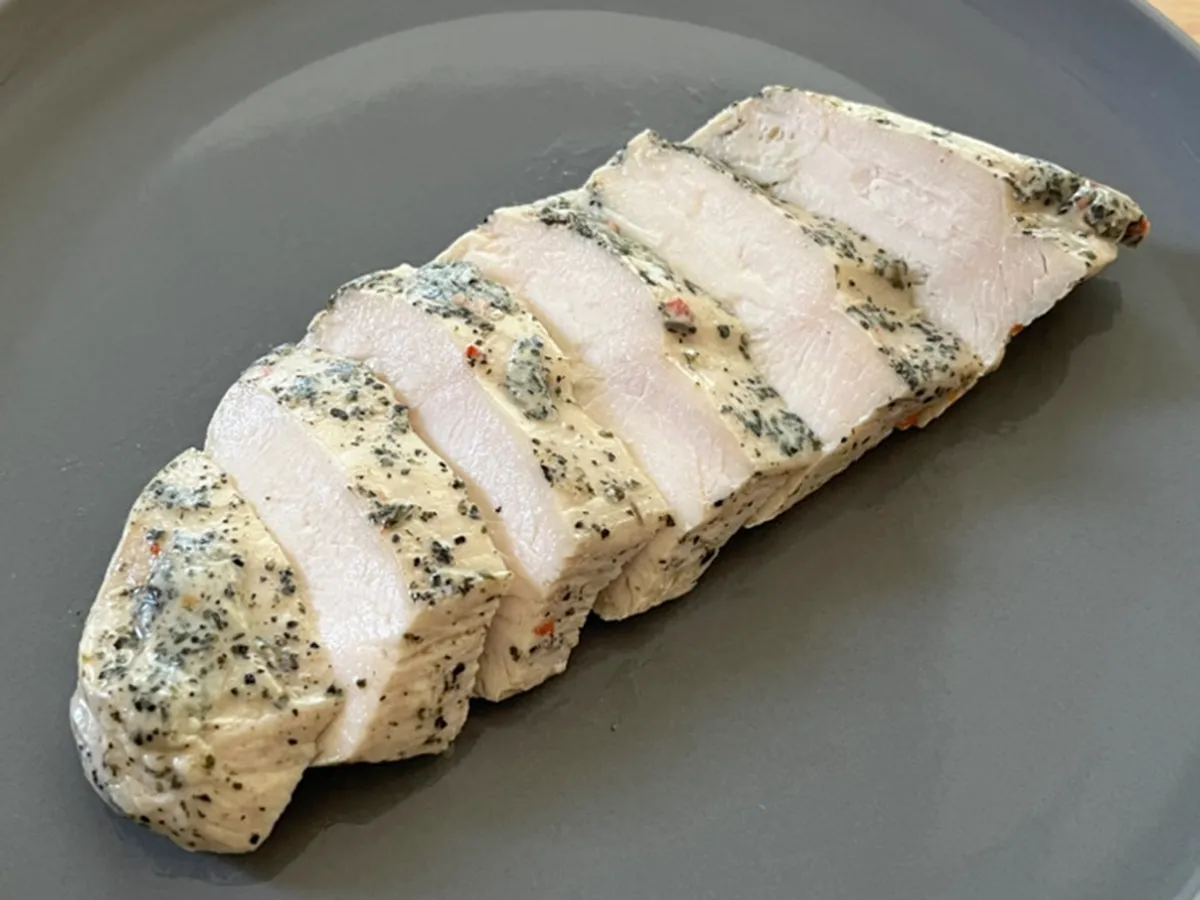
As grocery shelves continue to evolve with healthier convenience options, one product has quietly develop into a staple for busy consumers seeking protein-packed meals: salad chicken. Once considered a bland diet food, this ready-to-eat item is now being reimagined through creative pairings that elevate both flavor and nutrition. Among the most talked-about enhancements comes from an unexpected source — a fruit spread known for its natural sweetness and clean ingredients.
On April 7, 2026, Japanese food manufacturer Aohata released a recipe guide titled “Is this ‘jam’ or not?” which showcases innovative ways to apply their flagship product, Marugoto Kajitsu Blueberry. While the guide primarily targets home cooks looking to diversify breakfast spreads, its suggestions have sparked interest beyond traditional uses — particularly in how the blueberry spread complements savory, high-protein foods like salad chicken.
The Marugoto Kajitsu Blueberry spread, sold in 250g jars, contains only blueberries (sourced from the United States and Canada), apple concentrate, cranberry juice, lemon juice and pectin as a gelling agent. According to the product’s official labeling, it delivers 25 kilocalories per 20-gram serving (approximately one tablespoon), with zero fat, 0.1 grams of protein, and 6.2 grams of carbohydrates. Notably, it contains no added sugar, deriving its sweetness solely from fruit and fruit juices.
This nutritional profile makes it a favorable alternative to conventional jams, especially for those monitoring sugar intake. The absence of artificial sweeteners or refined sugars aligns with growing consumer demand for transparent ingredient lists, a trend reflected in the product’s popularity across online retailers where it consistently ranks among top-selling spreads.
What sets this spread apart in culinary applications is its texture and flavor balance. Described by the manufacturer as having a “natural sweetness” and enhanced through a proprietary “Fine Fruit Technique Plus,” the spread features both large and small blueberries to create a layered mouthfeel — firm bursts from larger berries and a rich, aromatic base from smaller ones. This complexity allows it to function not just as a topping, but as a bridging element in contrasting flavor profiles.
When paired with salad chicken — typically seasoned simply with salt, pepper, or herbs — the bright acidity and fruit-forward notes of the blueberry spread cut through the savory richness of the meat. The result is a harmonious blend where neither component overpowers the other. Users have reported that the combination transforms what might otherwise be a monotonous meal into something resembling a gourmet salad or charcuterie-style plate.
One suggested method from the Aohata guide involves spreading a thin layer of the blueberry product onto sliced salad chicken before rolling it into bite-sized pinwheels. Another recommends mixing a spoonful into plain Greek yogurt to create a fruity dip, then using it as a sauce for grilled or chilled chicken strips. These applications highlight the spread’s versatility beyond toast, positioning it as a functional ingredient in meal prep.
Importantly, the product requires refrigeration after opening and should be consumed within two weeks for optimal quality. Unopened jars maintain freshness for up to 12 months when stored in a cool, dry place. Label instructions also caution against submerging the paper label in water when removing it, and note that natural fruit solids may occasionally appear as white specks on the surface — a harmless characteristic of the minimal processing method.
For individuals managing dietary restrictions, the spread contains apple-derived ingredients, making it unsuitable for those with apple allergies. No other common allergens are present, and the product does not carry any precautionary labeling for cross-contamination.
The growing interest in combining sweet spreads with savory proteins reflects a broader shift in home cooking, where rigid meal categories are giving way to intuitive flavor pairing. This approach echoes principles seen in global cuisines — from Middle Eastern labneh with date molasses to Southeast Asian fruit-based dips for satay — proving that sweet and savory combinations are not only palatable but can enhance nutritional satisfaction.
As consumers continue to seek ways to make healthy eating enjoyable without sacrificing convenience, products like Aohata’s Marugoto Kajitsu Blueberry offer a simple yet effective tool. By focusing on whole-fruit ingredients and minimal processing, the brand provides a clean-label option that supports both taste and wellness goals.
For the most current information on product availability, nutritional details, or usage guidelines, consumers are encouraged to visit Aohata’s official website or contact authorized retailers. As of now, no new product variants or limited-edition releases have been announced beyond the standard 125g and 250g sizes.
If you’ve tried pairing fruit spreads with savory proteins or have a favorite way to enjoy salad chicken, share your experience in the comments below. Your insights aid others discover new ways to make everyday meals more delicious and nourishing.