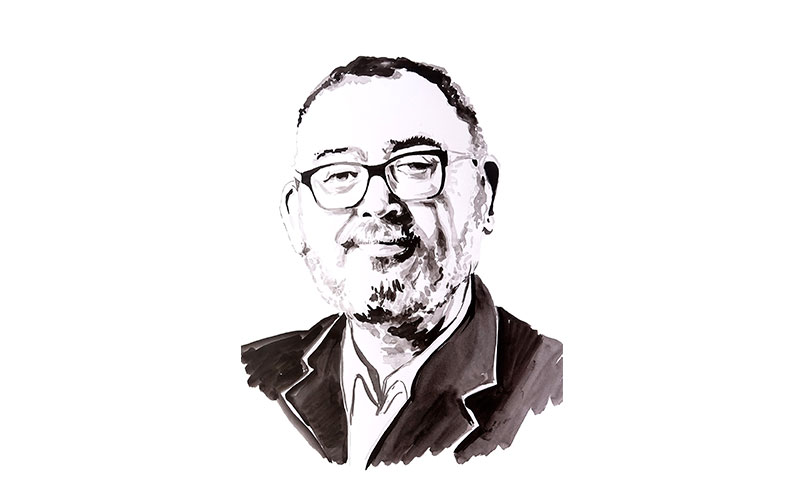
The question of whether Tunisia under President Kais Saied constitutes a dictatorship is complex, defying easy categorization. While the concentration of power and restrictions on political freedoms have raised concerns, a simple label of “dictatorship” may be an oversimplification. The current political landscape in Tunisia, while demonstrably not a full democracy, doesn’t neatly align with the traditional characteristics of authoritarian regimes. This nuanced situation requires careful examination, moving beyond immediate reactions to assess the specific features of Saied’s rule and how they compare to established models of governance.
Since assuming office in 2019, President Saied has steadily consolidated power, culminating in the July 2021 suspension of parliament and the subsequent rewriting of the constitution. These actions, initially framed as necessary to address political and economic stagnation, have been criticized by opponents as a power grab that undermines democratic institutions. The erosion of checks and balances, coupled with increased restrictions on dissent, has fueled anxieties about a return to authoritarianism in a country that was once seen as a beacon of hope following the Arab Spring. However, a key distinction lies in the absence of certain hallmarks traditionally associated with dictatorial regimes, such as widespread economic control or a pervasive military apparatus.
The debate surrounding the nature of Saied’s rule centers on whether the current situation represents a temporary deviation from democratic norms or a deliberate dismantling of the democratic framework. Critics point to the curtailment of civil liberties, the targeting of political opponents, and the erosion of judicial independence as evidence of a slide towards authoritarianism. Supporters, argue that Saied’s actions are aimed at restoring stability and addressing deep-seated corruption, and that his reforms are necessary to overcome the political paralysis that plagued Tunisia for years. Understanding this dynamic requires a detailed examination of the specific characteristics of dictatorial regimes and a comparative analysis of how Saied’s rule measures up against these established criteria.
The Economic Dimension: A Divergence from Traditional Dictatorships
A defining feature of many historical dictatorships is the control of the economy to maintain power and ensure the loyalty of key constituencies. As noted by observers of authoritarian regimes, a stable, or at least acceptable, standard of living is often prioritized to quell potential unrest. Regimes with access to resources, like those in the Gulf states or Libya under Muammar Gaddafi, have used oil wealth to provide social benefits and maintain popular support. Even less affluent dictatorships have often focused on controlling prices and ensuring access to basic necessities.
However, Tunisia under Saied currently faces significant economic challenges. The country is grappling with high unemployment, rising inflation, and a growing debt burden. Reports from the World Bank indicate a challenging economic outlook for Tunisia, with concerns about fiscal sustainability and the need for structural reforms. The World Bank highlights the need for Tunisia to address structural weaknesses in its economy to achieve sustainable growth. The current economic hardship, characterized by shortages of essential goods and rising prices – particularly during Ramadan – stands in stark contrast to the economic control often seen in traditional dictatorships. The rising cost of basic goods, like bananas, as reported in local media, underscores the economic difficulties facing the population.
The Absence of Grand Projects and Infrastructure Spending
Another common tactic employed by dictatorships is the implementation of large-scale infrastructure projects designed to showcase the regime’s power and provide tangible benefits to the population, even if these projects are economically unsustainable. These “grand projects” – roads, stadiums, new cities – serve as visible symbols of progress and can be used to legitimize the regime’s rule. Morocco and Rwanda have been cited as examples of countries that have utilized this strategy, albeit with varying degrees of success.
In Tunisia, however, such large-scale projects have largely stalled or remain incomplete. The planned “ville sanitaire” (health city) in Kairouan remains undeveloped, and the El Menzah stadium continues to be a “skeleton without a soul,” as described in local reports. This lack of significant infrastructure investment suggests a departure from the pattern observed in many authoritarian regimes. While some infrastructure projects are underway, they do not appear to be driven by the same ambition to project power and consolidate control as seen elsewhere. This contrasts sharply with the extensive building programs often undertaken by dictators seeking to depart a lasting legacy.
A Limited Military Role and Absence of Militarization
A hallmark of many dictatorships is a strong emphasis on military buildup and the development of a robust defense industry, often at the expense of social welfare and economic development. This militarization serves to both suppress internal dissent and project power externally. Some regimes even pursue the acquisition of nuclear weapons, despite the economic and political costs. This focus on military strength often leads to international isolation, which dictators are willing to accept in order to maintain absolute control within their borders.
Fortunately, Tunisia has historically maintained a relatively small and non-aggressive military. The country does not possess a significant arms industry, and its defense spending remains modest. This contrasts sharply with the militaristic tendencies often observed in authoritarian regimes. While the Tunisian army plays a role in maintaining internal security, it has not been significantly expanded or modernized under President Saied. The focus remains on maintaining a defensive capability rather than projecting power regionally or globally. This limited military role is a significant difference between the current situation in Tunisia and the characteristics of traditional dictatorships.
It’s important to note that the situation remains fluid and subject to change. The concentration of power in the hands of President Saied, coupled with the erosion of democratic institutions, raises legitimate concerns about the future of Tunisia. However, the absence of key characteristics traditionally associated with dictatorial regimes – economic control, grand projects, and militarization – suggests that the current situation is more complex than a simple return to authoritarianism.
Navigating the Political Landscape: A Hybrid System?
The current regime in Tunisia doesn’t fit neatly into established categories of governance. It is demonstrably not a democracy in the traditional sense, given the suspension of parliament and the rewriting of the constitution. However, it also lacks the defining characteristics of a full-fledged dictatorship. This suggests that Tunisia may be evolving into a hybrid system, combining elements of both authoritarianism and democratic governance.
This hybrid model presents unique challenges. While it may avoid the most extreme forms of repression associated with traditional dictatorships, it still poses a threat to civil liberties and political freedoms. The lack of checks and balances, coupled with the concentration of power in the hands of President Saied, creates a risk of arbitrary decision-making and the suppression of dissent. The ongoing legal cases against political opponents, as reported by human rights organizations, underscore these concerns.
the nature of the current regime in Tunisia will be determined by its long-term trajectory. Whether it evolves towards a more democratic system or descends further into authoritarianism remains to be seen. The role of civil society, the international community, and the Tunisian people themselves will be crucial in shaping the country’s future. The ongoing debate about the appropriate classification of the current regime highlights the need for careful analysis and a nuanced understanding of the complex political dynamics at play.
Key Takeaways
- Tunisia under President Saied is not a traditional dictatorship, lacking key characteristics like economic control, large-scale infrastructure projects, and a strong military focus.
- The country faces significant economic challenges, with rising inflation and unemployment, contrasting with the economic stability often prioritized by authoritarian regimes.
- The concentration of power in the hands of President Saied and the erosion of democratic institutions raise concerns about the future of political freedoms in Tunisia.
- The current situation may represent a hybrid system, combining elements of both authoritarianism and democratic governance.
The political situation in Tunisia remains dynamic. Upcoming parliamentary elections, scheduled for December 2024, will be a crucial test of the country’s political trajectory. Continued monitoring of the human rights situation and engagement with civil society organizations will be essential to understanding the evolving nature of the regime. Readers are encouraged to stay informed and participate in discussions about the future of Tunisia.
Worth a look