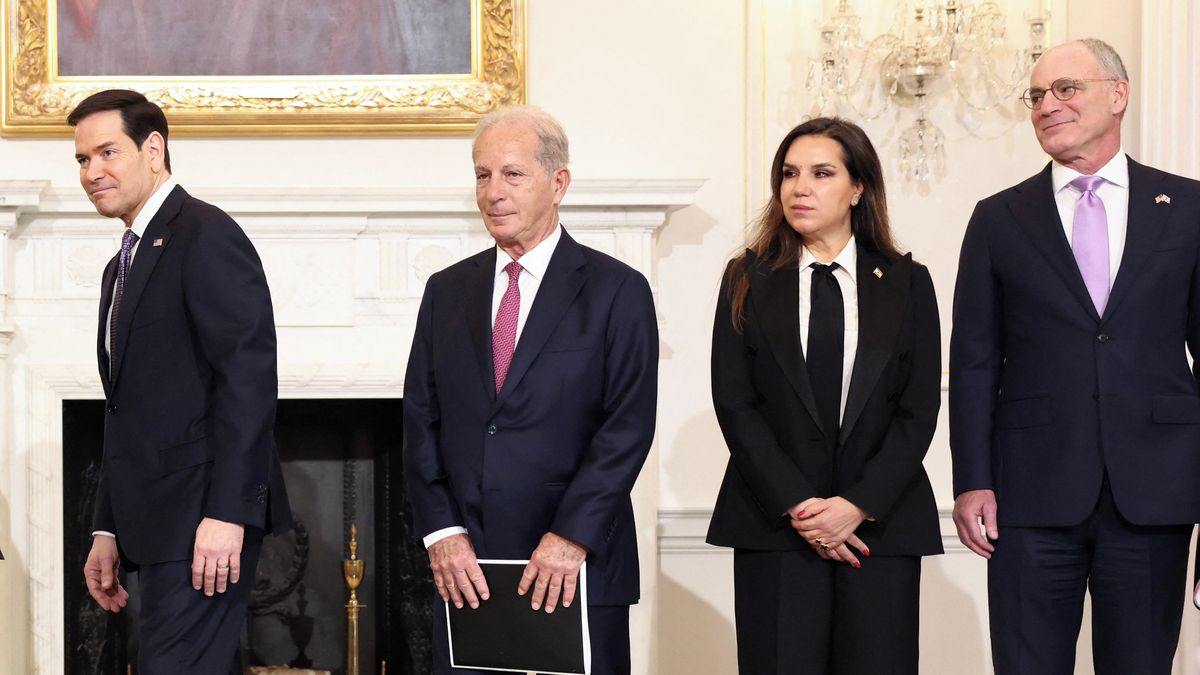
In a rare diplomatic breakthrough, senior representatives from Lebanon and Israel convened for face-to-face talks in Washington on Tuesday, April 14, 2026. The meeting, hosted by U.S. Secretary of State Marco Rubio, marks the first time in more than four decades that political representatives from the two nations have met under U.S. Auspices, according to reports from The Washington Institute.
These Lebanon and Israel talks in Washington are taking place against a backdrop of extreme volatility. The diplomacy follows a massive Israeli military operation in Beirut last week that targeted the Iran-backed organization Hezbollah and its local ally, the Amal movement. The encounter represents a critical attempt to establish a diplomatic settlement and halt the ongoing Israeli bombardment in Lebanon.
The talks are being conducted through the respective ambassadors of both countries to the United States. This is a significant development given that Lebanon does not recognize the State of Israel, and the two parties have technically remained at war since Israel’s founding in 1948 via Defense News.
The Path to Diplomacy and the Role of the United States
The current diplomatic push is an effort to locate a viable path forward after the collapse of previous agreements. A ceasefire mediated by the Biden administration in November 2024 failed to achieve its primary objective: the disarmament of Hezbollah. That agreement effectively ended following a rocket barrage launched by Hezbollah into northern Israel on March 2, which was ostensibly done to support Iran via The Washington Institute.
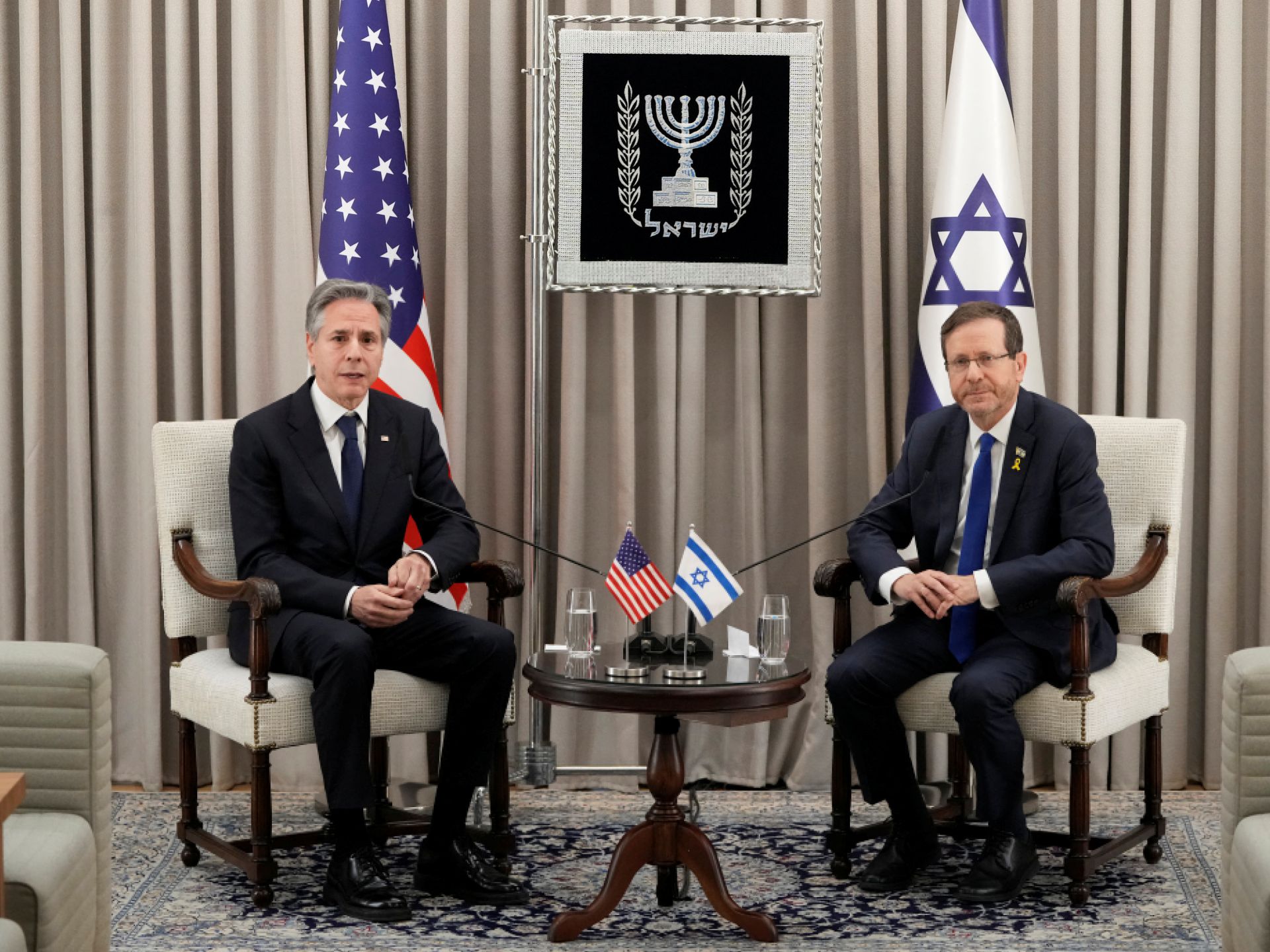
Lebanon had requested direct talks early in the latest escalation, during which more than 2,000 people were killed in the country. While Israel initially rejected the proposal, it eventually agreed to the Washington meeting following a two-week ceasefire proposal and unsuccessful diplomatic efforts between the U.S. And Iran via Defense News.
Secretary of State Marco Rubio is leading the effort to facilitate peace between the two states via The Washington Post. The U.S. Objective is to move beyond a limited ceasefire and instead launch negotiations that could lead to the disarmament of Hezbollah and the eventual achievement of bilateral peace.
Military Realities and Strategic Objectives
Despite the diplomatic engagement in Washington, military operations continue on the ground. Israeli military forces are still active in southern Lebanon, with intense clashes reported around the strategic village of Bint Jbeil, where the Israeli army is attempting to consolidate its positions via Defense News.
The strategic goals of the Israeli government remain a point of contention. Several members of Israel’s Cabinet have indicated an objective to control southern Lebanon and extend the northern border up to the Litani River, which would place the border approximately 30 kilometers inside Lebanese territory via Defense News.
Simultaneously, Hezbollah continues to fire rockets into northern Israel while attempting to contain the Israeli advance and inflict casualties on opposing forces. Yet, at the request of the U.S. Government, Israeli leaders have instructed the army to scale back attacks on Beirut following a coordinated, multi-front attack that targeted over 100 locations within 10 minutes and killed more than 350 people via Defense News.
Lebanon’s Objectives and the Challenge of Disarmament
For the Lebanese government, these talks are an opportunity to reassert state authority, which has weakened in recent years. Beirut is seeking a secure ceasefire as a foundation for further negotiations and a way to ease the impact of military operations on Lebanese civilians via The Washington Institute.
A central pillar of the negotiations is the disarmament of Hezbollah. While the Lebanese government has reiterated its commitment to this process, official representatives acknowledge that disarming the organization will take time via Defense News.
| Date/Period | Event | Key Detail |
|---|---|---|
| November 2024 | Ceasefire Agreement | Mediated by Biden administration following “Northern Arrows” campaign. |
| March 2, 2026 | Ceasefire Collapse | Hezbollah launched rockets at northern Israel to support Iran. |
| April 2026 (Last Week) | Beirut Attack | Massive Israeli attack targeted Hezbollah and Amal movement. |
| April 14, 2026 | Washington Talks | First face-to-face diplomatic meeting in over four decades. |
The immediate task for the diplomats in Washington is to create a formula that repairs the flaws of the failed November 2024 agreement. The goal is to move toward a more sustainable arrangement that addresses the security concerns of Israel while protecting Lebanese sovereignty and civilian life.
As these rare diplomatic engagements unfold, the international community is watching to see if this “hopeful step” can expand the circle of Arab-Israel peace or if the deep-seated military objectives of both sides will prevent a lasting settlement.
The next phase of these talks will depend on the ability of both ambassadors to translate the initial face-to-face discussions into a concrete framework for a ceasefire and the disarmament process.
We invite our readers to share their perspectives on these diplomatic developments in the comments below.
Worth a look