
The Israeli security cabinet has approved a ceasefire agreement with Hezbollah, marking a significant development in the ongoing conflict along the Israel-Lebanon border. Israeli Prime Minister Benjamin Netanyahu announced the cabinet’s decision on Tuesday, citing the need to focus on other regional threats, while Hezbollah officials have voiced opposition to clauses regarding Israel’s continued freedom of movement in Lebanese territory, according to reporting by Reuters.
The agreement, brokered following intensive diplomatic efforts led by the United States and France, aims to halt hostilities that have intensified over the past year. While the cessation of fire is intended to take effect immediately, the operational framework remains a point of contention between the two parties. Israeli officials have maintained that the military will retain the right to act against any perceived threats emanating from southern Lebanon, a condition that Hezbollah and its political allies have historically rejected as an infringement on Lebanese sovereignty, as noted by the BBC.
Terms of the Ceasefire and Security Arrangements
The ceasefire deal is designed to facilitate the return of displaced residents to northern Israel and southern Lebanon. Under the terms reported by international observers, the Lebanese Armed Forces (LAF) are expected to take control of areas south of the Litani River, supported by the United Nations Interim Force in Lebanon (UNIFIL). The United Nations Security Council has historically mandated that the region be free of armed personnel other than the Lebanese state military and UN peacekeepers, a framework that serves as the basis for the current negotiations.
However, the specific “freedom of movement” clause remains the primary hurdle. Israeli leadership, including Defense Minister Israel Katz, has insisted that the Israeli Defense Forces (IDF) must have the operational latitude to intervene if the agreement is violated. This position reflects a long-standing Israeli security doctrine aimed at preventing the re-establishment of Hezbollah’s military infrastructure near the border, according to statements reviewed by the Financial Times.
Regional Reactions and Diplomatic Context
The diplomatic push for a ceasefire intensified as regional fears of a wider conflict grew. U.S. envoy Amos Hochstein has been central to these negotiations, shuttling between Beirut and Jerusalem to bridge the gap between the two sides. The U.S. Department of State has emphasized that the goal is a durable end to the violence that allows civilians on both sides of the border to return to their homes safely.
Hezbollah, while signaling a willingness to abide by a cessation of fire, has framed the Israeli insistence on operational freedom as an “occupation” of the conditions governing the border. This divergence in interpretation highlights the fragility of the agreement. Analysts suggest that the effectiveness of the ceasefire will depend heavily on the ability of the Lebanese government to enforce its authority in the south without triggering internal political backlash or renewed friction with the IDF.
What Happens Next
As of late November 2024, the situation remains fluid. The immediate next steps involve the gradual withdrawal of Israeli forces from designated areas in southern Lebanon, to be replaced by Lebanese army units. The UNIFIL mission is expected to play a monitoring role, though its capacity to enforce compliance has been a subject of debate for years.
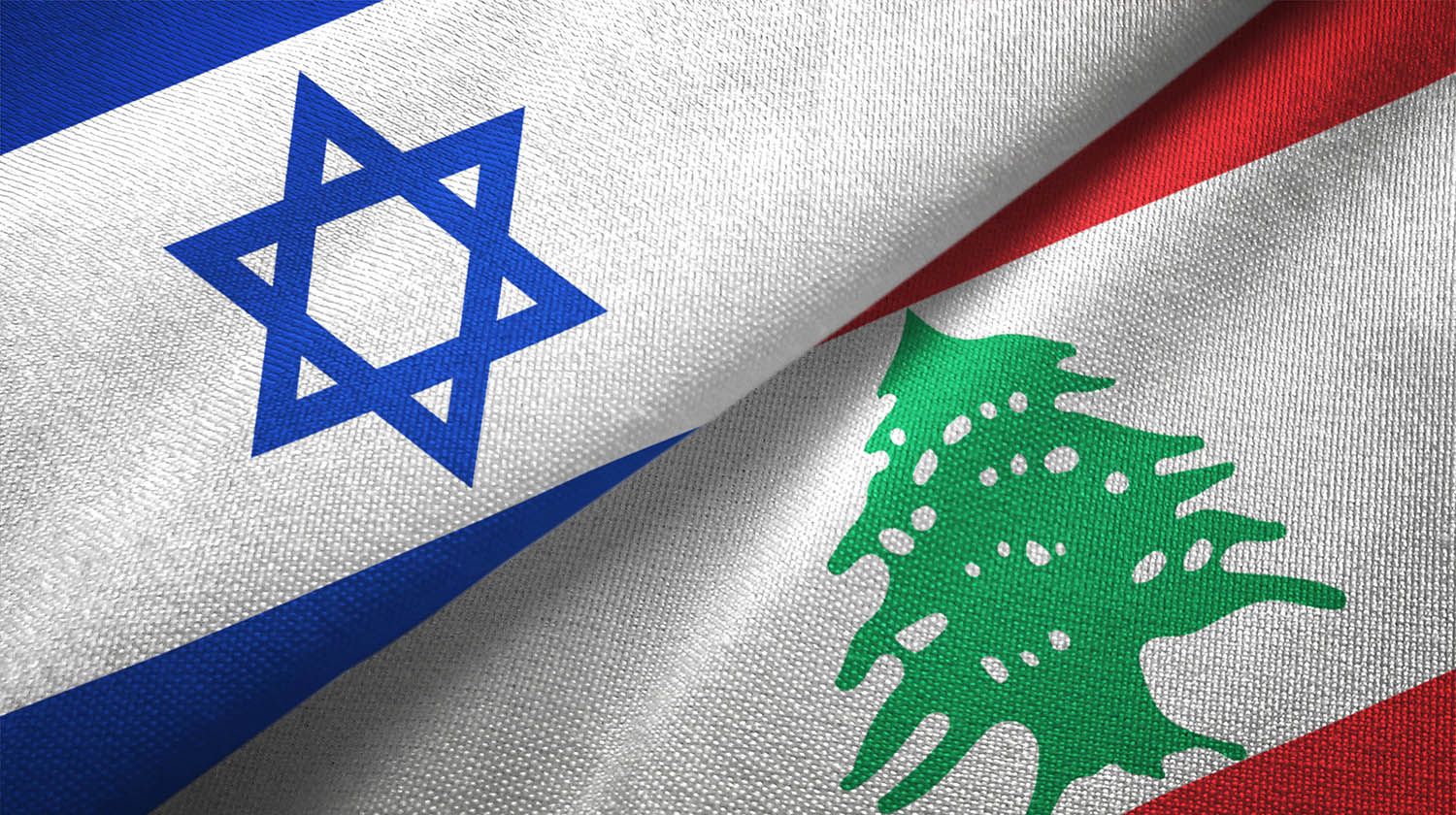
Observers are now looking toward the implementation phase to see if the ceasefire holds beyond the initial hours. The durability of the deal will likely be tested by any reports of violations or continued skirmishes. For now, the focus of the international community remains on preventing a slide back into full-scale conflict while monitoring the adherence of both parties to the terms mediated by the U.S. and French delegations. The office of the Israeli Prime Minister is expected to release further operational guidelines as the transition proceeds.
Readers seeking official updates on the status of the border region can monitor the official website of the Israel Defense Forces or the latest briefings from the United Nations Secretariat. We invite our readers to share their perspectives on these developments in the comments section below.
Related reading