
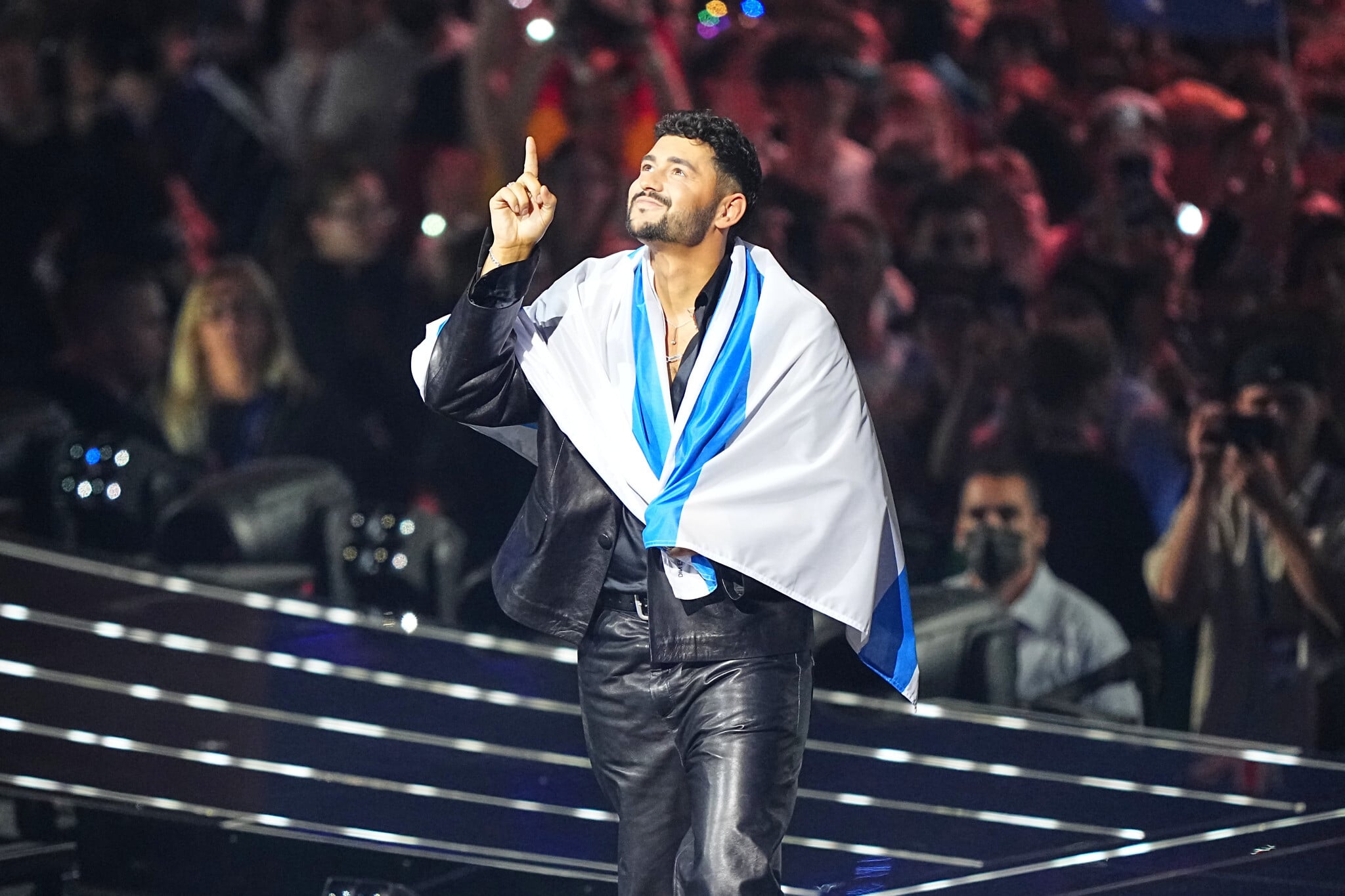
The intersection of cultural celebration and geopolitical strife has reached a fever pitch as the Eurovision Song Contest prepares for its final. While the event is traditionally designed as a bridge between nations, the atmosphere surrounding the 2026 competition has been defined by deep division, specifically regarding Israel’s presence on the global stage.
As the final approaches, the focus has shifted from musical merit to the political implications of participation. Reports indicate that Noam Bettan is preparing to represent Israel in the competition, a move that has reignited intense debates across Europe and beyond. The contest, which prides itself on unity, now finds itself as a flashpoint for the ongoing conflict in the Middle East, with the Israeli delegation facing a landscape of fragmented support and organized resistance.
For many, the event remains a non-political showcase of talent. For others, the stage has become a critical arena for “soft power,” where national image and diplomatic standing are contested through song and performance. This tension has manifested in partial boycotts and widespread protests, transforming the lead-up to the final into a diplomatic minefield for the organizers.
The Struggle for Political Neutrality
The European Broadcasting Union (EBU), the governing body of the contest, has long maintained a strict policy of political neutrality. Under its official guidelines, the Eurovision Song Contest is intended to be a non-political event, prohibiting any lyrics, gestures, or costumes that convey political messages. This stance is intended to preserve the contest as a safe space for cultural exchange, regardless of the diplomatic relations between participating member states.

However, maintaining this neutrality has proven increasingly difficult. The EBU has faced significant pressure from various delegations and public advocacy groups to take a firmer stance on Israel’s participation. The conflict in Gaza has pushed the boundary between “political messaging” and “human rights advocacy,” leaving the EBU in a precarious position where any decision—whether to allow or restrict a participant—is viewed as a political act.
The controversy is not limited to the artists. Fans and broadcasting partners have expressed divergent views on whether the contest should remain a neutral zone or serve as a platform for collective political expression. This internal friction has led to a polarized viewing experience, where the act of watching the final is, for some, a political statement in itself.
Spain and the Momentum of Cultural Boycotts
Among the most vocal critics has been Spain, where the government and segments of the public have expressed strong opposition to Israel’s inclusion in the contest. Spain’s diplomatic approach to the Middle East conflict has been among the most critical in the European Union, frequently calling for ceasefires and the recognition of Palestinian statehood. This political climate has translated directly into the Eurovision sphere, where calls for a boycott have gained significant traction.
The tension in Spain reflects a broader trend of “cultural boycotts,” where art and sports are used as levers to exert diplomatic pressure. While a full state-mandated boycott of the event is a complex legal and broadcasting matter, the sentiment among Spanish fans and certain cultural figures has created a challenging environment for the Israeli representative. This divide has left many contest enthusiasts torn between their love for the competition and their political convictions.
The impact of these boycotts extends beyond the scoreboard. The psychological pressure on performers is immense, as they must navigate a crowd that may be as focused on their nationality as they are on their vocal performance. For the Israeli delegation, the challenge is not merely the competition, but the management of a hostile atmospheric current that threatens to overshadow the music.
Eurovision as a Tool for Soft Power
Beyond the immediate controversy, the contest serves as a primary example of “soft power”—the ability of a country to influence others through attraction and persuasion rather than coercion. For Israel, Eurovision has historically been a vital tool for public diplomacy, allowing the nation to project an image of modernity, diversity, and creativity to hundreds of millions of viewers worldwide.
By showcasing contemporary artists and high-production values, Israel has frequently used the Eurovision stage to counter negative international press and foster a more favorable global perception. This strategy aims to humanize the state through the universal language of music, attempting to decouple the artistic contributions of its citizens from the actions of its government.
However, the effectiveness of this soft power approach is currently being tested. When a performance is met with boos or organized silence, the intended image of “attraction” can flip into a symbol of isolation. The 2026 final represents a critical juncture in this strategy, as the EBU and the Israeli delegation attempt to balance the desire for national visibility with the reality of widespread geopolitical disapproval.
Key Dynamics of the 2026 Controversy
- The EBU Mandate: The ongoing effort to enforce non-political rules amidst an escalating global crisis.
- Diplomatic Friction: The role of nations like Spain in leading the push for cultural sanctions or boycotts.
- Artist Vulnerability: The pressure on representatives, such as Noam Bettan, to perform under intense political scrutiny.
- Audience Polarization: A shift in viewership where the “voting” process is increasingly influenced by political alignment rather than musical quality.
What Happens Next
As the countdown to the final begins, all eyes remain on the European Broadcasting Union for any last-minute changes to security protocols or performance guidelines. The EBU is expected to provide updated safety briefings for all delegations to ensure the event proceeds without violent disruption.

The ultimate resolution of this tension will be visible during the live broadcast, where the reaction of the live audience and the subsequent voting patterns will offer a raw data point on the current state of European and global diplomacy. The next official update regarding the final’s logistics and any formal statements from the participating delegations is expected prior to the opening ceremony.
World Today Journal encourages readers to share their thoughts on the intersection of art and politics in the comments below. Do you believe international competitions should remain strictly non-political, or should they reflect the geopolitical realities of the world?