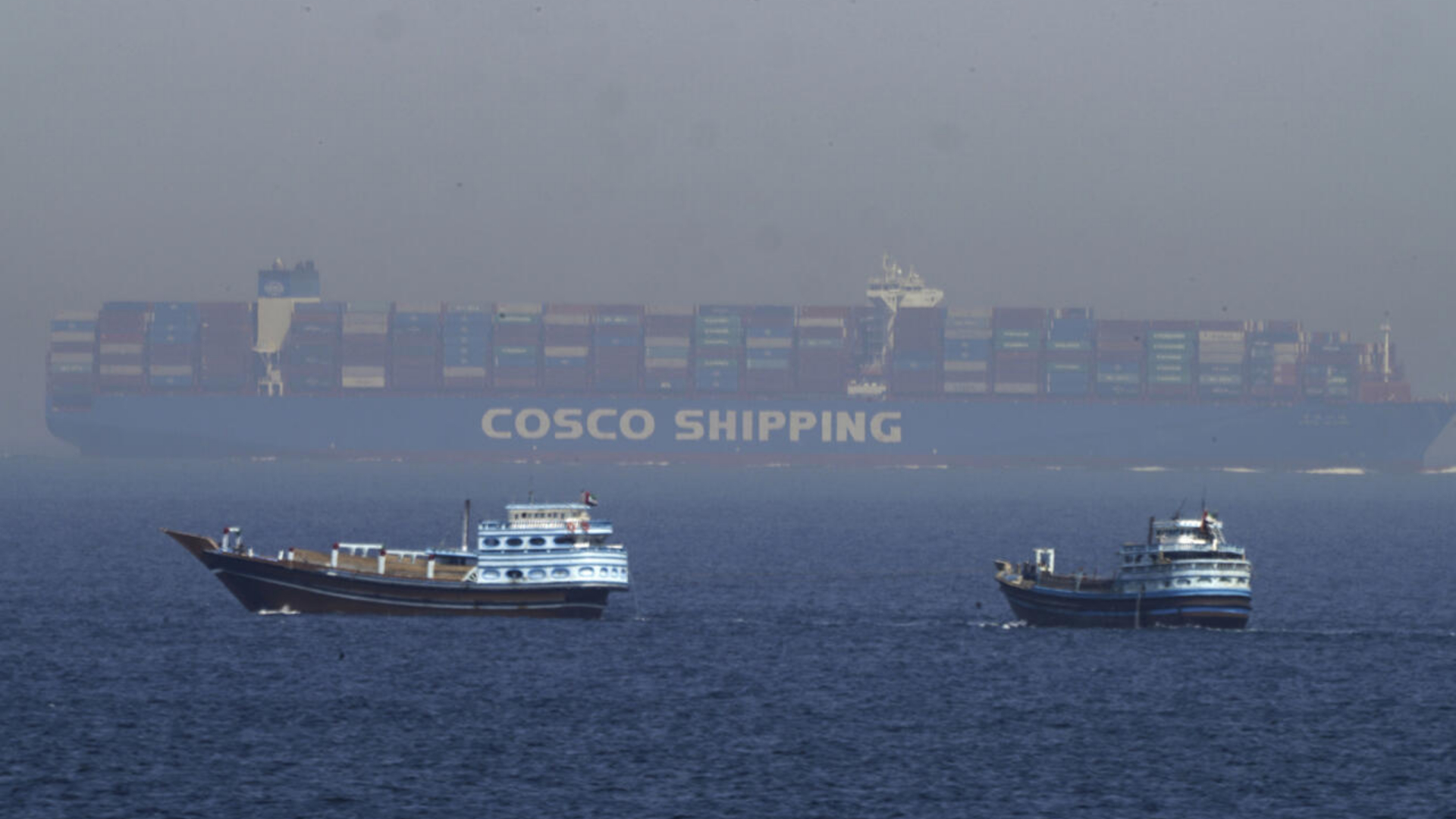
Tehran, Iran – Oil prices surged to their highest levels since 2022 on Friday as tensions escalated dramatically in the Middle East, following a large-scale wave of Israeli attacks targeting infrastructure in Tehran. The attacks, confirmed by both Israeli and Iranian sources, have ignited fears of a wider regional conflict and potential disruptions to crucial oil supplies. The situation is further complicated by Iran’s warning to the United States and its allies to withdraw troops from the region, and retaliatory threats from the Islamic Revolutionary Guard Corps (IRGC).
The immediate impact has been felt in global energy markets, with Brent crude oil climbing above $90 a barrel, a level not seen in over two years. This price increase reflects growing concerns about the security of oil flows through the Strait of Hormuz, a vital chokepoint for global oil shipments. The potential for further escalation, coupled with existing geopolitical instability, is driving investors towards safe-haven assets and pushing up energy costs. The current volatility underscores the interconnectedness of global markets and the sensitivity to events in the Middle East.
Israeli Strikes Target Iranian Infrastructure
The Israel Defense Forces (IDF) announced on Friday that it had initiated a wave of “large-scale attacks” against what it termed “the infrastructure of the Iranian terrorist regime” in Tehran. Explosions were reported across the Iranian capital, as confirmed by EFE news agency. A statement from the IDF indicated the attacks were a direct response to recent Iranian actions, though specific triggers were not detailed. EFE reported that the attacks targeted infrastructure within Tehran.
Simultaneously, the IRGC issued a stark warning to U.S. Troops stationed in the Middle East, demanding their immediate withdrawal or facing the threat of being “buried under the rubble.” This threat came alongside an announcement of a new missile barrage, dubbed ‘Promesa Sadeq 4’ (Promise of Truth 4), aimed at both Israeli and American targets. The escalation represents a significant intensification of the ongoing conflict between Israel and Iran, which has largely played out through proxy groups and covert operations until now.
Strait of Hormuz and Oil Supply Concerns
Adding to the anxieties, Iran had previously authorized the passage of ships from some countries through the Strait of Hormuz, a narrow waterway critical for global oil transport. However, the potential for Iran to disrupt shipping through the strait remains a major concern. The Strait of Hormuz connects the Persian Gulf with the Gulf of Oman and the Arabian Sea, and approximately 20% of the world’s oil supply passes through it daily. Any significant disruption could have a devastating impact on global energy markets and the world economy.
According to reports, countries in the Gulf region have already reduced oil production by at least 10 million barrels per day due to the perceived threat to shipping lanes. In response, the International Energy Agency (IEA), comprised of 32 member countries including the United States, announced the release of a record 400 million barrels from their strategic reserves. El Tiempo reported on this coordinated effort to stabilize oil prices.
Regional Fallout and Humanitarian Impact
The conflict is not limited to Iran and Israel. Reports indicate explosions in Dubai and Bahrain, with Bahrain accusing Iran of attacking oil deposits. Attacks on fuel storage facilities in Oman and a Saudi Arabian oil field have also been reported. These incidents suggest a broader regional escalation, potentially drawing in other countries and exacerbating existing tensions. The situation is further complicated by ongoing conflict in Lebanon, where Israel continues to strike Hezbollah targets.
The human cost of the escalating conflict is also significant. Authorities in Lebanon have reported over 800,000 displaced people and nearly 700 deaths since March 2nd. While specific figures for displacement within Iran are not yet available, reports suggest a significant number of Iranians have been internally displaced since the beginning of the conflict on February 28th. The United Nations High Commissioner for Refugees (UNHCR) had previously reported 3.2 million internally displaced Iranians, though this figure requires further verification.
US Response and Diplomatic Efforts
The United States has warned of further potential escalation and has reiterated its support for Israel’s security. While the specific details of the U.S. Response remain unclear, officials have emphasized the importance of preventing Iran from acquiring nuclear weapons. The current administration has stated that preventing Iran from developing nuclear capabilities is a higher priority than controlling oil prices.
However, the situation presents a complex dilemma for the U.S., balancing its commitment to Israel with the need to maintain regional stability and prevent a wider conflict. Diplomatic efforts to de-escalate the situation are ongoing, but the prospects for a swift resolution appear limited given the entrenched positions of both sides. The IRGC’s strategy of “war of attrition,” aimed at “destroying the American and world economy,” signals a long-term commitment to challenging U.S. Influence in the region.
Key Takeaways
- Escalating Tensions: Israel launched large-scale attacks on Tehran, prompting retaliatory threats from Iran.
- Oil Market Impact: Oil prices have surged to levels not seen since 2022 due to concerns about supply disruptions.
- Strait of Hormuz Risk: The potential for Iran to disrupt shipping through the Strait of Hormuz is a major concern.
- Regional Instability: The conflict is spreading beyond Iran and Israel, with reports of attacks in neighboring countries.
- Humanitarian Crisis: The conflict is causing significant displacement and casualties, particularly in Lebanon.
The situation remains highly fluid and unpredictable. The next key development to watch will be the response from Iran to the Israeli attacks and any further statements from the IRGC regarding the Strait of Hormuz. The international community is closely monitoring the situation, and further diplomatic efforts are expected in the coming days.
We encourage readers to share their thoughts and perspectives on this developing story in the comments below. Your insights are valuable as we continue to navigate this complex and challenging situation.