
The diplomatic rift between Israel and the United Nations has reached a new nadir this week, as Israeli officials announced a formal decision to sever all working contact with UN Secretary-General António Guterres. This escalation marks a significant deterioration in a relationship already strained by the ongoing conflict in Gaza and broader regional instability in the Middle East.
The announcement came via Israel’s Permanent Representative to the United Nations, Danny Danon. In a video statement posted to social media, Ambassador Danon characterized the UN’s recent administrative posture toward Israel as “outrageous.” At the center of the controversy is a dispute regarding the potential inclusion of Israel on a list of parties accused of committing grave violations against children in armed conflict—a list often referred to in diplomatic circles as a “blacklist” of offenders. According to reports from Reuters, the Israeli government views the Secretary-General’s approach as inherently biased, leading to the decision to cease professional engagement with his office.
We are done with this secretary-general. The decision to blacklist Israel and accuse us is a disgrace. We will no longer cooperate with a UN leadership that ignores the truth and treats a democratic state defending itself the same as a terrorist organization. pic.twitter.com/E24qK9p9s5
— Danny Danon 🇮🇱 דני דנון (@dannydanon) December 5, 2024
The Context of the Diplomatic Freeze
To understand why Israel has taken the unprecedented step of breaking all contact with the UN Secretary-General, it is necessary to look at the specific mechanisms of the United Nations’ reporting on conflict zones. The UN maintains an annual report on Children and Armed Conflict, which documents violations such as the killing, maiming, and recruitment of minors, as well as attacks on schools, and hospitals. Inclusion in the annexes of this report—often colloquially termed a “list of shame”—carries significant diplomatic weight and can trigger increased scrutiny from the UN Security Council and international human rights bodies.
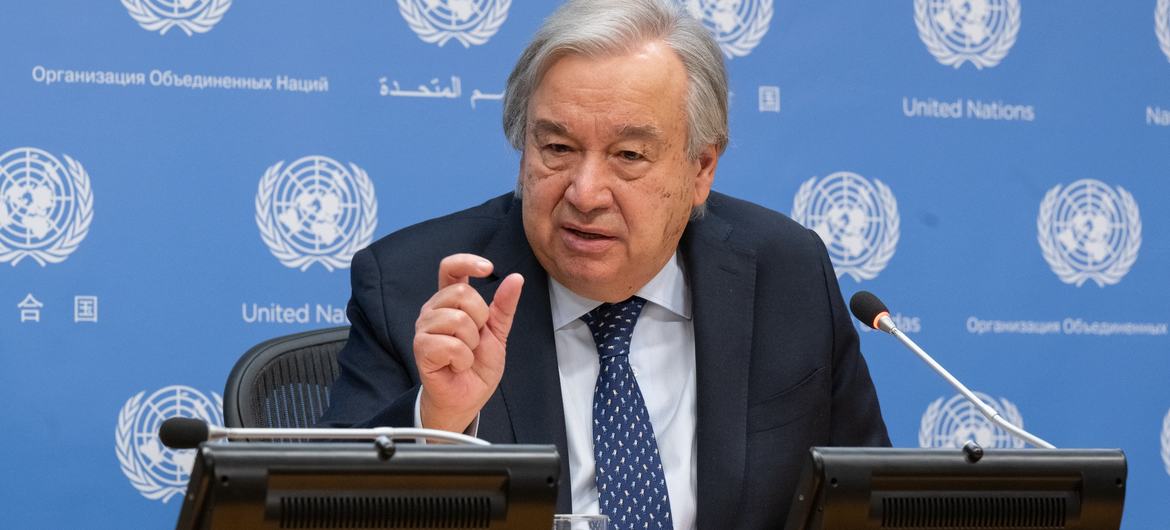
Israel has long argued that the UN’s reporting metrics fail to account for the complexities of asymmetric warfare, where state actors are fighting non-state entities that operate within densely populated civilian areas. Israeli officials contend that the UN disproportionately focuses on the actions of the Israel Defense Forces (IDF) while failing to sufficiently hold organizations like Hamas and Hezbollah accountable for their use of human shields and the targeting of Israeli civilians. As reported by The Associated Press, the latest friction point involves allegations of sexual violence and the broader conduct of the war in Gaza, which Guterres has frequently criticized in his capacity as the UN’s top diplomat.
Strained Relations and Institutional Friction
The relationship between the Israeli government and António Guterres has been fraught since the October 7, 2023, attacks by Hamas. Guterres has consistently called for an immediate humanitarian ceasefire and has been vocal about the scale of civilian casualties in the Gaza Strip. These positions have drawn sharp rebukes from Israeli officials, who maintain that any ceasefire that leaves Hamas in power would be a strategic failure and a threat to Israel’s long-term security. The tension is not merely a matter of rhetoric; it has manifested in various diplomatic actions, including previous calls by Israeli officials for Guterres to resign.
The decision to cut ties with the Secretary-General’s office specifically signifies a move to bypass the UN’s central administration in favor of dealing with individual member states or specific UN agencies. However, this creates a complex operational hurdle. The United Nations is the primary conduit for humanitarian aid delivery in Gaza, and the Secretary-General oversees the coordination of these efforts. By limiting communication with the central office, Israel faces the challenge of maintaining essential logistics for aid while simultaneously signaling its profound dissatisfaction with the UN’s leadership.
What This Means for International Diplomacy
For the international community, this development suggests that the diplomatic channel between Jerusalem and the United Nations is effectively frozen at the highest level. Historically, the UN has acted as a neutral mediator in various Middle Eastern conflicts. When the relationship between a primary party to a conflict and the Secretary-General reaches such a low point, the ability of the UN to facilitate negotiations or provide impartial oversight becomes significantly compromised.
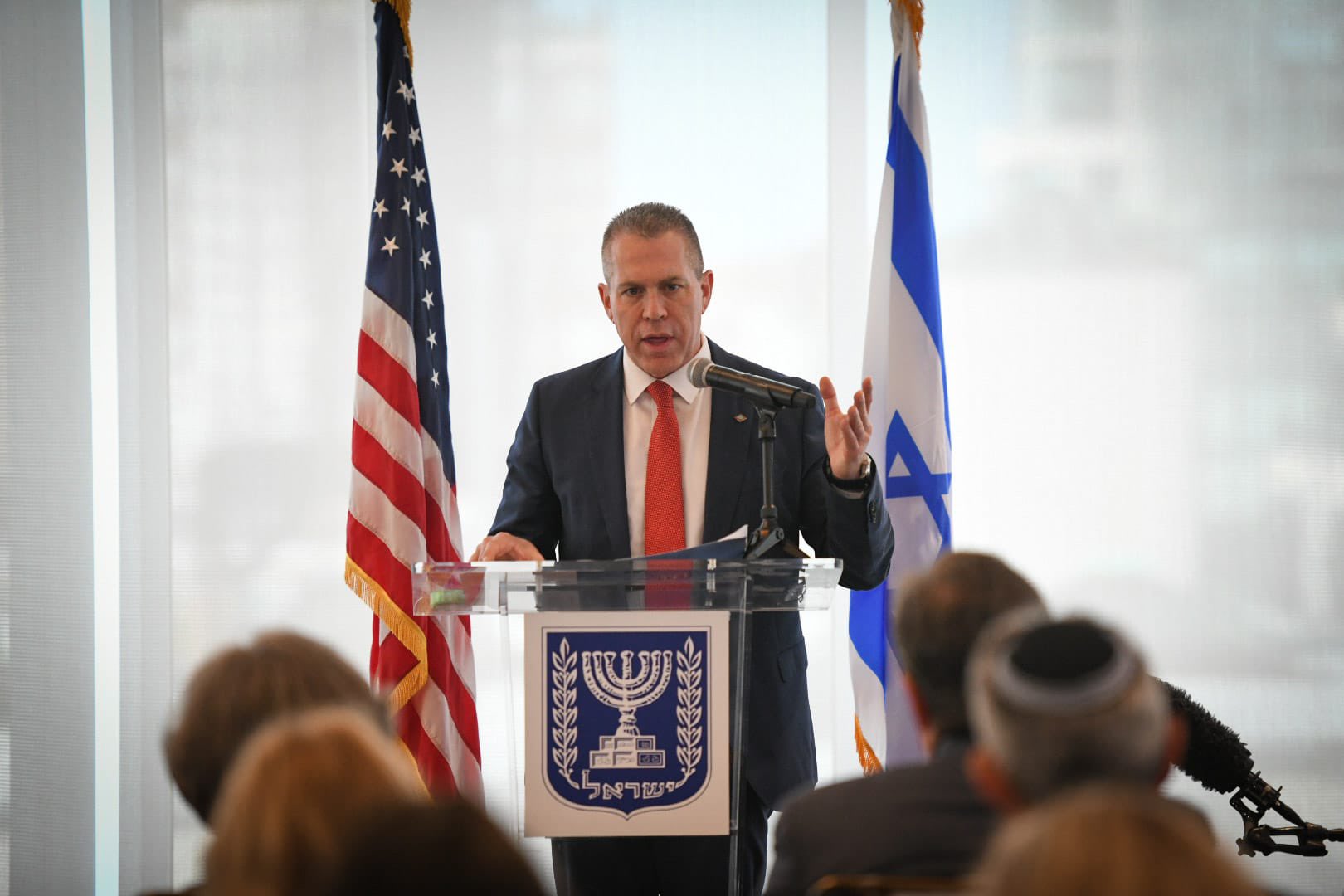
Observers are now looking toward the upcoming sessions of the UN Security Council to see how this move will impact the broader legislative agenda regarding the conflict. If Israel continues to withhold cooperation with the Secretary-General, it may force other member states to take on a more active role in bridging the gap. However, as noted in analyses by The Financial Times, the current climate of global polarization makes such mediation increasingly difficult. The move also raises questions about the future of UN-led initiatives in the region, including the status of UNRWA and other agencies that have been subject to intense scrutiny and criticism by Israeli authorities throughout the ongoing war.
Looking Ahead: The Path Forward
As of this week, there is no indication of an immediate reconciliation between the Israeli mission and the UN Secretary-General’s office. The situation remains fluid, and the international community is closely monitoring how this policy of non-engagement will affect the day-to-day operations of UN staff on the ground in Gaza and the West Bank. The next major checkpoint will likely involve discussions at the UN General Assembly or the Security Council, where member states will be forced to address the growing operational gap created by this diplomatic rupture.
For those tracking these developments, official updates regarding the UN’s activities in the region can be found on the United Nations official portal. As this story continues to evolve, we will provide updates on how these diplomatic shifts impact the humanitarian situation and international efforts to stabilize the region. We encourage our readers to share their perspectives in the comments section below and stay tuned to our ongoing coverage of global geopolitical trends.
Worth a look