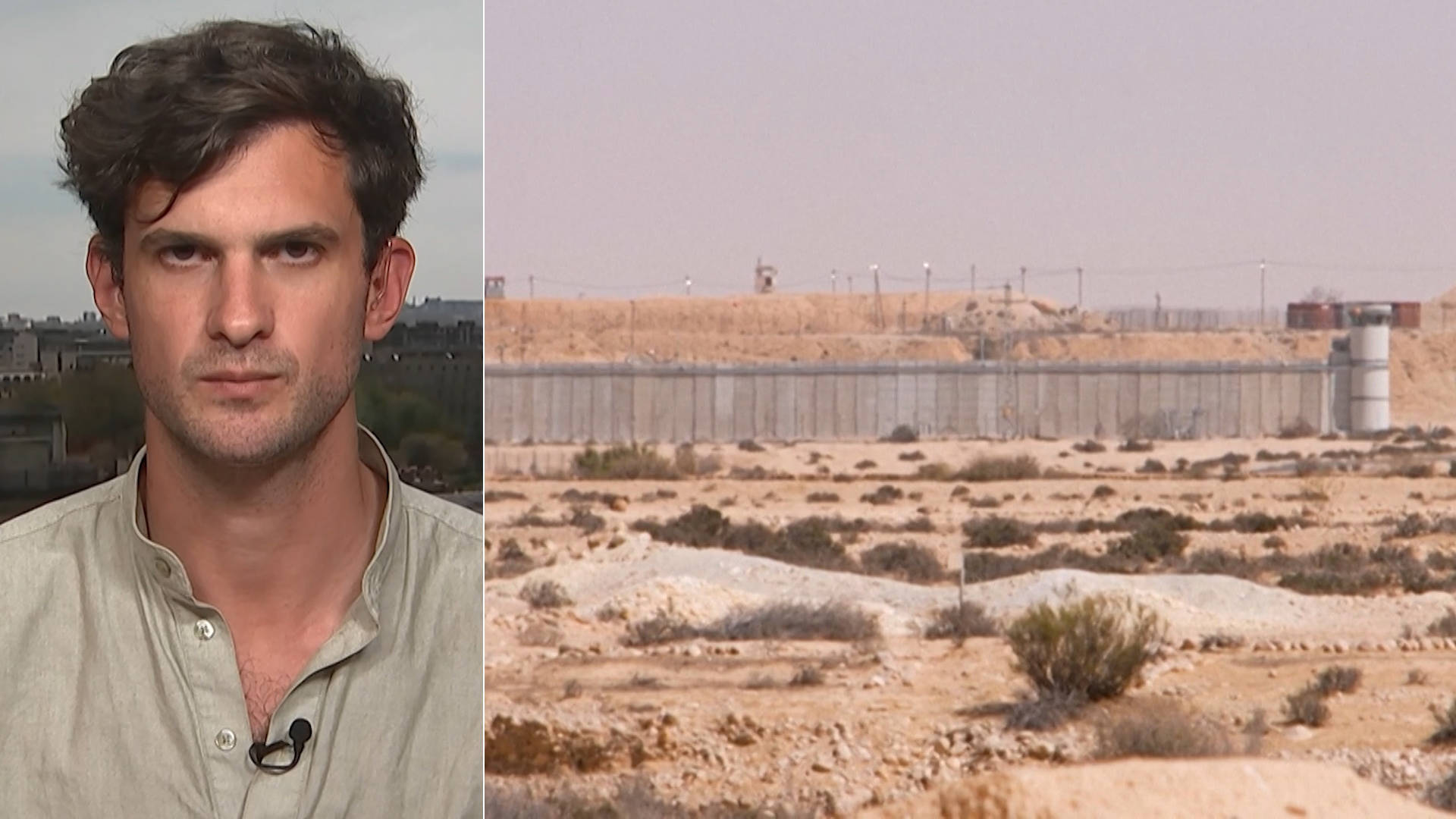
Abandoned by Washington: A Humanitarian’s Account of U.S. Inaction During Israeli Detention
The narrative often presented is one of the United States swiftly intervening to protect its citizens abroad. However, a recent account challenges this deeply ingrained assumption, revealing a starkly different reality experienced by humanitarian workers detained by Israeli forces. David Adler, co-general coordinator of Progressive International, details a disturbing pattern of abandonment by the U.S. State Department, raising serious questions about American foreign policy priorities.
Adler, a Jewish American, participated in the Gaza-bound Global Sumud Flotilla before its interception. His subsequent detention and treatment, as he recounts, paint a troubling picture of U.S. indifference. this isn’t simply a personal grievance; it exposes a systemic issue with perhaps far-reaching implications for how the U.S. government treats its citizens – and, crucially, how it approaches the Israeli-Palestinian conflict.
A Delayed and Dismissive Response
According to Adler, the U.S. consular services were remarkably slow to respond to his detention.The U.S. delegation didn’t arrive at the prison camp for four days after their disappearance in the Negev Desert.
Even upon arrival, the message was chillingly clear: ”You’re on your own.” Adler reports being told there was nothing the State Department could do, effectively handing them over to Israeli authorities. This initial lack of support set the tone for the remainder of his ordeal.
Contrasting Treatment & A Stark Double Standard
The disparity in treatment between Adler’s group and other international delegations is especially striking. While others were greeted with hospitality – hotels, flights home, and essential support – Adler and his colleagues were essentially abandoned.
The U.S. consul reportedly stated they would not provide food, water, clothing, or transportation. They were to be dropped off at the Jordanian airport without money or cellphones. This blatant disregard for basic humanitarian needs underscores a disturbing attitude, suggesting U.S. citizens are not a priority when they become entangled in Israeli legal processes.
Due Process Denied: A ”Pete Hegseth School of international Law”
Adler powerfully describes a disregard for fundamental legal principles.He and his fellow detainees were never formally charged, never saw a judge or jury, and were denied access to legal counsel.
He characterizes this approach as mirroring what he terms the “Pete hegseth school of international law” – a beliefs where due process is considered irrelevant. This raises serious concerns about the U.S. government’s tacit acceptance of legal practices that fall far short of international standards.
A glimpse into the Reality for Palestinians
Adler emphasizes that his experience, while shocking for a Westerner, is a daily reality for Palestinians.He points to the 11,000 Palestinians currently detained in camps across Gaza and the West Bank, facing similar – or worse – conditions.
His account serves as a stark reminder of the power imbalance and the systemic injustices faced by Palestinians. It highlights the urgent need for greater scrutiny of Israeli detention practices and a more assertive U.S. role in advocating for Palestinian rights.
What This Means for You
This situation raises critical questions for all U.S. citizens traveling abroad, particularly in politically sensitive regions. You should:
* Understand your rights: familiarize yourself with the consular services available to you and the protections afforded by international law.
* Document everything: Keep detailed records of your travel, interactions with authorities, and any incidents that occur.
* Contact your representatives: If you experience issues, immediately contact your U.S.embassy or consulate and your congressional representatives.
* Be aware of the political climate: Research the political landscape of your destination and understand the potential risks involved.
The Broader Implications
Adler’s testimony isn’t just about one incident. It’s about a pattern of behavior that suggests the U.S. government prioritizes its relationship with Israel over the well-being and legal rights of its own citizens.
this raises fundamental questions about American foreign policy, the role of the State Department, and the commitment to upholding international law. It demands a serious conversation about accountability and a reassessment of U.S. priorities in the region.
further Reading: You can read David Adler’s full account in his article, “[IspentFiveDaysinIsrael[IspentFiveDaysinIsrael[IspentFiveDaysinIsrael[IspentFiveDaysinIsrael
Related reading