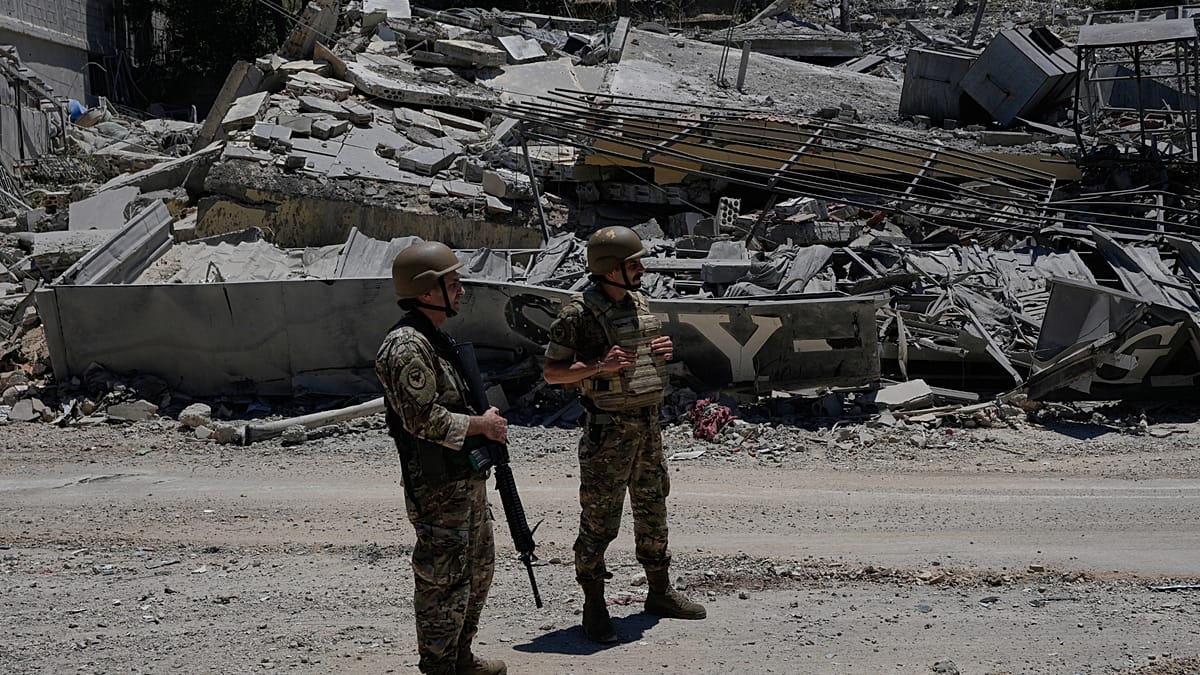
The Israel Defense Forces (IDF) have released imagery and reports alleging the discovery of extensive military infrastructure and weapon caches hidden beneath the historic Shaqif Castle in southern Lebanon. These findings are part of a broader Israeli military operation to dismantle Hezbollah’s defensive and offensive capabilities along the border, with the IDF claiming the site served as a strategic hub for the group’s operations.
The IDF’s reports indicate that Hezbollah utilized the natural terrain and existing structures of the Shaqif Castle area to conceal tunnels and storage facilities. This development comes as Israeli forces intensify their ground maneuvers in southern Lebanon, focusing on the “Ali Taher” region and other strategic points to neutralize Hezbollah militants and destroy launch sites used for rocket attacks against northern Israel.
Israeli military officials state they are prepared for “any scenario” regarding the stability of the Lebanese Army and the potential for an expanded conflict. This stance follows reports from Euronews and other regional outlets suggesting skepticism among Israeli commanders regarding the Lebanese Army’s current capacity or willingness to fully secure the south and prevent Hezbollah from re-establishing its presence in the border zones.
IDF Operations and the Discovery at Shaqif Castle
Shaqif Castle, a medieval fortress overlooking the Litani River, has become a focal point of recent IDF intelligence releases. According to the IDF, the group’s military wing constructed a network of subterranean rooms and tunnels beneath the historical site to store munitions and provide cover for fighters. The Israeli military released photographic evidence intended to show the scale of these excavations, arguing that the use of cultural sites for military purposes is a tactic employed by Hezbollah to deter airstrikes.

The discovery at Shaqif is not an isolated incident. The IDF has reported finding multiple weapons warehouses throughout southern Lebanon.
In the Ali Taher area, Israeli forces have reportedly tightened their grip on Hezbollah elements, conducting targeted raids and establishing control over key transit routes. The IDF has announced the killing of several Hezbollah operatives during these engagements, citing the need to clear “terrorist infrastructure” that threatens Israeli civilian populations.
Strategic Implications of the Southern Lebanon Offensive
According to reports from Euronews, Israeli leadership remains cautious, preparing for a scenario where the LAF cannot or will not enforce the ceasefire terms, necessitating a continued or recurring Israeli military presence in the south.
Reports from Monte Carlo Internationale and other regional news agencies confirm casualties among Hezbollah fighters and civilian displacements in the southern villages.
The Role of UN Resolution 1701 and Border Security
Comparison of Military Claims and Regional Perspectives
Conversely, outlets such as Arab21 characterize the Israeli actions as “claims” and “allegations,” framing the military incursions as violations of Lebanese sovereignty.
| Issue | IDF / Israeli Position | Hezbollah / Lebanese Position |
|---|---|---|
| Shaqif Castle Site | Military hub and weapon cache. | Historical site; denial of offensive use. |
| LAF Capability | Insufficient to secure the border. | Legitimate state force; needs support. |
| Resolution 1701 | Systematically violated by Hezbollah. | Israel violates Lebanese sovereignty. |
| Military Objective | Dismantle terror infrastructure. | Resistance against foreign aggression. |
Worth a look